Vietnam's property market rebounded in 2024, driven by reforms and transparency
Nearly 81,000 units were available for sale in 2024, up more than 40% on year.
Vietnam's property market ended 2024 with a remarkable recovery, driven by significant progress in the regulatory framework and increased transparency for all stakeholders.
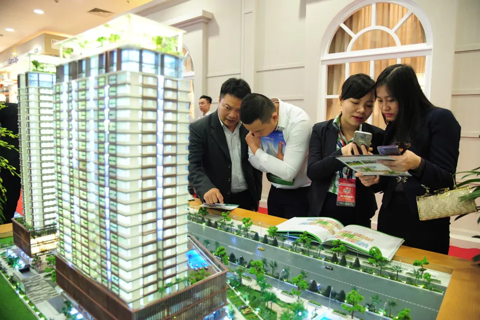
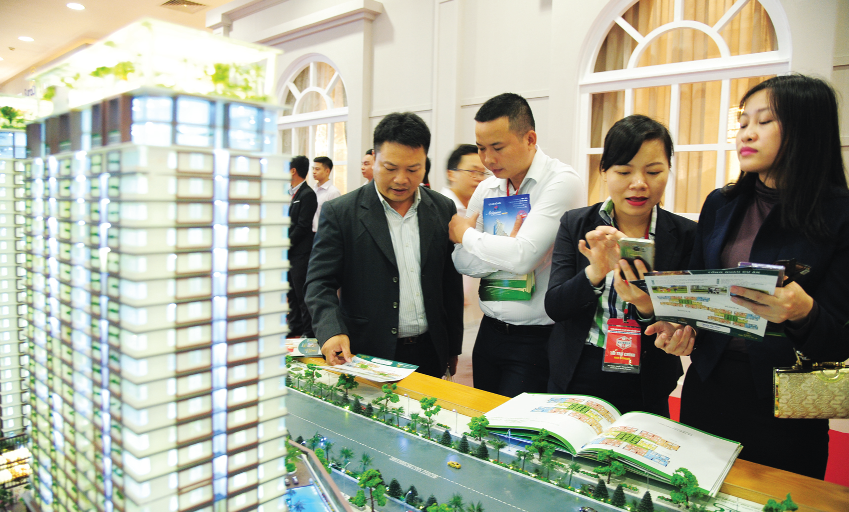
| Investors in Hanoi attend an event to launch a real estate project. Photo: Pham Hung/ The Hanoi Times |
Surge in housing supply
In 2024, the supply of residential property increased with the launch of several large projects towards the end of the year, accompanied by flexible payment policies. By the end of the year, around 56,000 units were available on the primary market as many projects sold off their stock.
Overall, nearly 81,000 units were listed for sale in 2024, an increase of more than 40% from 2023. Of the number, more than 65,300 units were new listings, nearly triple the number from the previous year.
In the fourth quarter alone, the market saw 28,000 new listings, four times higher than the same period in 2023.
The market saw more than 47,000 successful transactions by the end of 2024, resulting in an absorption rate of 72%. Demand for both residential and investment property remained strong, driven by urbanization and economic development. Notably, investment demand made up over half of the primary market transactions.
Condominium market thrives with high absorption rates
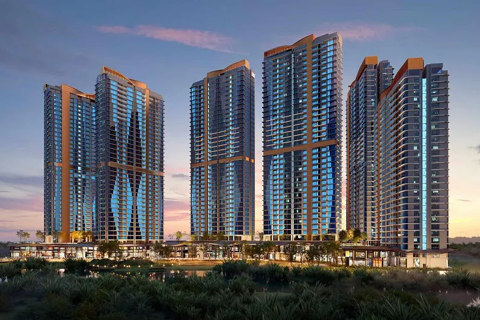
| TechnoPark Tower is a state-of-the-art office building within the Vinhomes Ocean Park ecosystem, Gia Lam District. Photo: Vinhomes |

Meanwhile, condominiums accounted for 75% of total transactions. New projects recorded absorption rates of over 70%, with many achieving absorption rates of over 90% during their official debut.
As the year progressed, the volume of such transfers increased due to improved supply conditions.
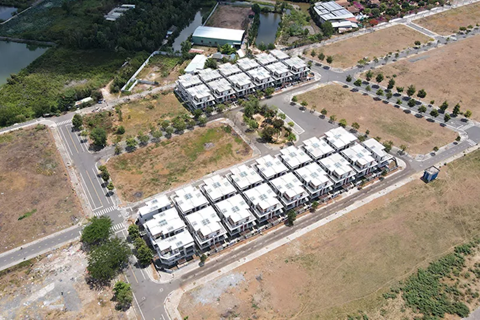
Low-rise property transactions saw good performance with the absorption rate for newly launched projects reached 65%, equivalent to nearly 9,000 transactions. Over 60% of these transactions were came from two large urban projects by Vinhomes. In the secondary market, liquidity was mainly focused on properties that met genuine housing needs.
Completed urban projects with modern infrastructure and amenities offered individual housing units priced below VND4 billion (US$157,168).
In the land segment, most transactions were seen in the secondary market as new regulations require developers to build homes for sale. Larger plots without legal titles faced price discounts, while subdivided plots with clear titles attracted investor interest.
Primary sales prices have risen sharply and show no signs of stabilizing, which has affected the secondary market for condominiums, keeping prices well above their real value. However, overall supply and liquidity remain at average levels.
As prices rise, suburbs attract investors
Apartment transactions have focused on projects in established urban areas, characterized by modern infrastructure and reasonable price increases. As investment demand recovers and apartment prices rise, low-rise projects launched at higher price points continue to record good absorption rates.
Prices for low-rise products in urban areas have receded from previous highs, while transfer prices for some low-rise projects are stagnating at high levels due to unsold stock.
Prices for subdivided land plots with full legal titles have recovered significantly, driven by a reduction in supply due to stricter regulations on land subdivision sales. Particularly in demand are lower-value plots priced below VND30 million ($1,178) per square meter in urban areas with developed or planned infrastructure, which offer significant growth potential. These lots have seen price increases of 15% compared to the end of last year, largely due to their relatively low investment value.
As residential property prices in Vietnam's two major cities, Hanoi and Ho Chi Minh City, reach new highs beyond the reach of most buyers, investors are shifting their focus to the outlying provinces. These areas offer more affordable prices and ample growth opportunities, benefiting from improved infrastructure and urban planning.
While liquidity in the luxury segment is experiencing a slight decline, it remains stable for residential products that meet real housing needs, provide real housing choices at reasonable prices, and offer essential amenities such as infrastructure, social facilities, green space, and security.
The Vietnam Association of Realtors says that for the market to recover and develop in a safe, healthy and sustainable manner, local developers should set prices based on market purchasing power rather than focusing solely on short-term profits.
In 2025, savvy investors will seek opportunities in real estate projects that incorporate advanced technology to improve management efficiency and increase value. Smart management systems are expected to attract the interest of homebuyers, especially younger generations.
However, many real estate businesses will continue to face pressure from high leverage and limited repayment capacity, with 60% of reported firms struggling to meet their financial goals for 2024.