Creative spaces emerge as a new cultural heartbeat in Hanoi
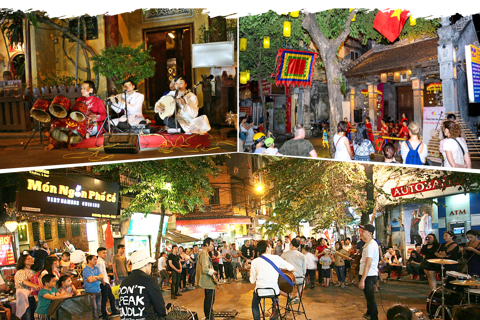
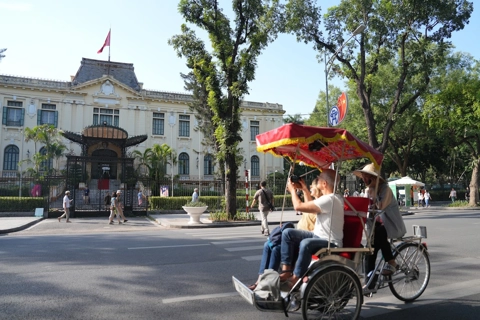
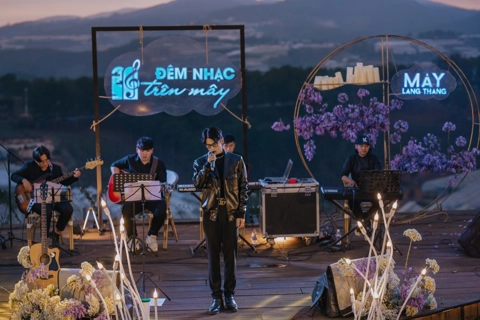
Hanoi’s admission to UNESCO’s Creative Cities Network in 2019 affirmed its commitment to placing innovation, design and cultural vitality at the heart of urban growth.
THE HANOI TIMES — Hanoi has released the framework for the 2026 Creative Design Festival and launched a network of 82 certified creative spaces, marking a major step in building the capital’s creative ecosystem as part of its efforts to boost tourism.
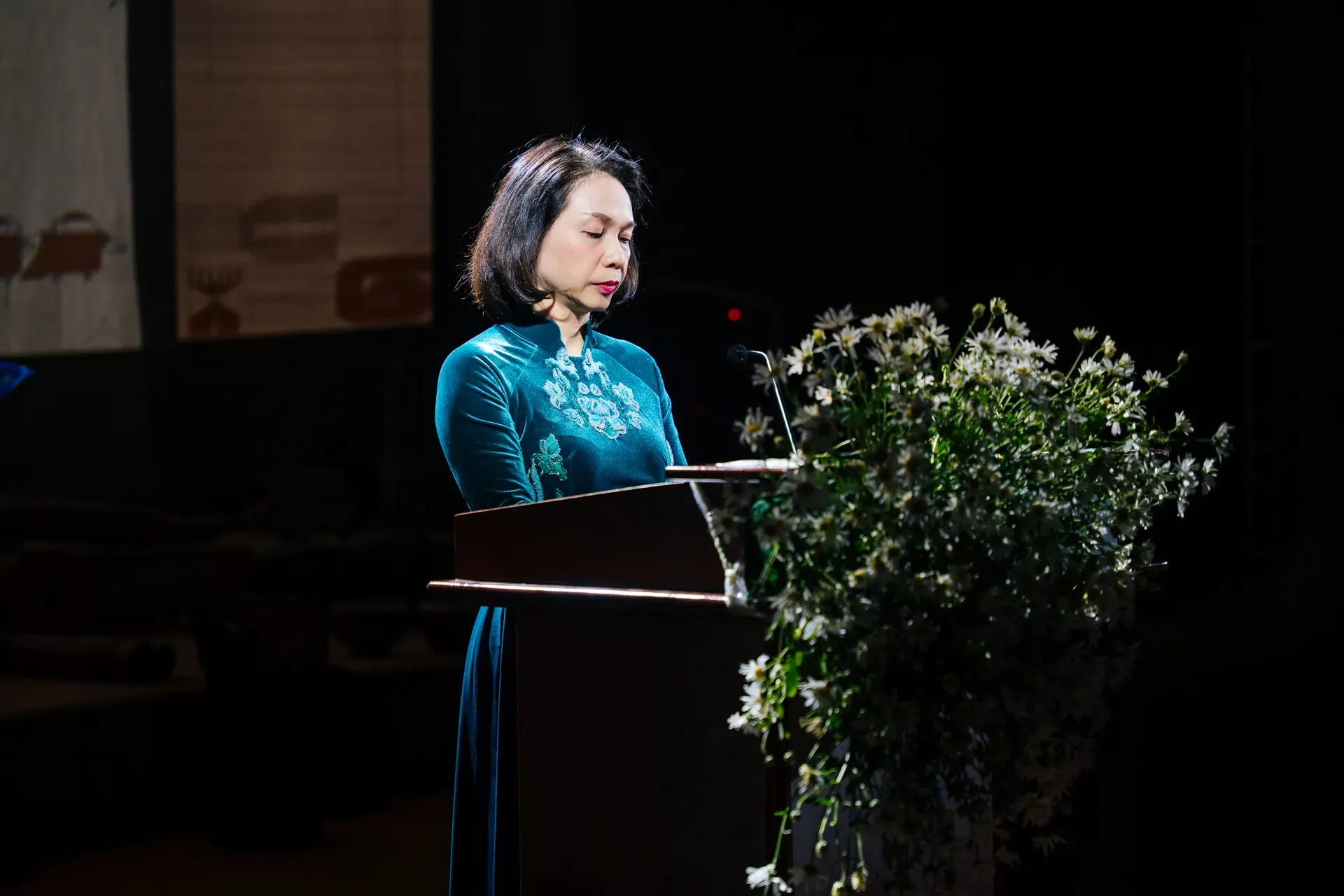
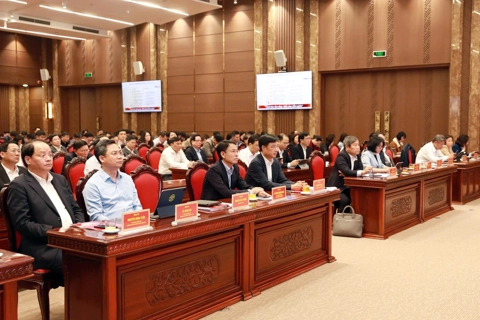
Vice Chairwoman of the Hanoi People’s Committee Vu Thu Ha at the ceremony on December 10. Photos: Kinh te & Do thi Newspaper
Vice Chairwoman of the Hanoi People’s Committee Vu Thu Ha said the city is shifting from staging a festival to strengthening a long-term creative ecosystem.
Addressing the event on December 10, she emphasized the need to harness cultural assets, heritage and craft traditions to develop creative projects with commercial potential and create platforms for urban design, product innovation and community engagement.
“Sustainability and quality of life must guide every creative initiative,” she stated.
The 2026 framework comprises eight groups of activities, including creative exhibitions, fairs, forums, competitions, projects, design awards, a creative fund and a system of creative hubs.
The festival will run from January to November across five designated creative zones.
The heritage zone at Dong Xuan Market will pilot new models linking trade, heritage and creative design, while the Ke cho zone (ancient market area) in the old quarter will encourage creative streets where artisans, designers and craft businesses collaborate.
The future zone in city parks will focus on creative education programs, international showcases and activities for young people.
At the same time, the ecological zone on the Red River’s mid-island will host seasonal landscape and circular design initiatives.
Meanwhile, the community zone will extend across museums, universities, cultural centers and art spaces, promoting partnerships between residents, artists and businesses.
Hanoi expects the expanded network to support new creative business models and increase collaboration among designers, artists and enterprises, generating fresh experiences and cultural products for the public.
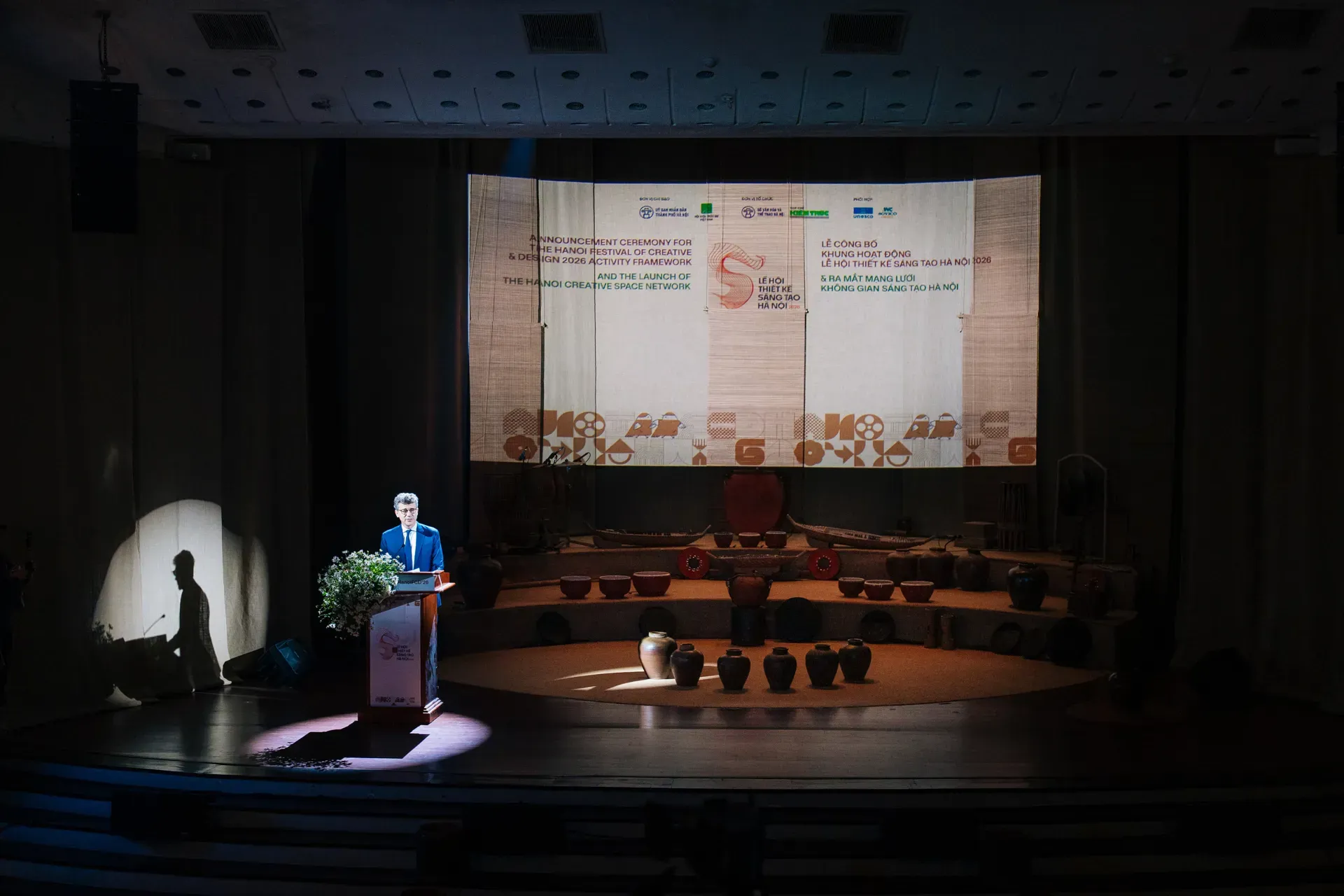
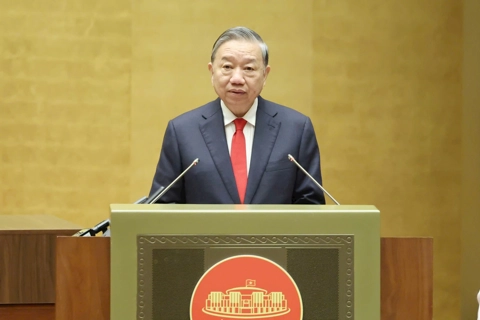
UNESCO Representative in Vietnam Jonathan Baker at the event.
UNESCO Representative in Vietnam Jonathan Baker welcomed the shift toward institution-building, saying that the transition from an annual festival to a broader ecosystem will provide lasting opportunities for designers, artists and creative businesses.
“Creativity in Hanoi is becoming part of urban life, not only a festival moment,” he said.
UNESCO pledged continued cooperation in developing projects and international partnerships.
Since joining UNESCO’s Creative Cities Network in 2019, Hanoi has viewed creativity as a driver of urban development and improved quality of life.
The Creative Design Festival, first held in 2021, quickly became a platform for experimentation in public spaces, technology and design.
In its plan for 2026, Hanoi aims to turn the festival into an urban creative institution that connects heritage with technology and craftsmanship with data, integrating creativity into daily urban life.
The city plans to support creative hubs, community-based projects and programs for creative enterprises as part of a sustainable creative economy strategy.
Through the expanded framework and creative spaces network, Hanoi reaffirms its ambition to foster a vibrant creative environment, strengthen its cultural identity and build a long-term foundation for creative industries.
The 2026 festival will include a series of events and a strategic move to place creativity at the center of Hanoi’s long-term development.
In a broader vision, the city targets that its cultural industry would generate 7% of its GDP by 2030.
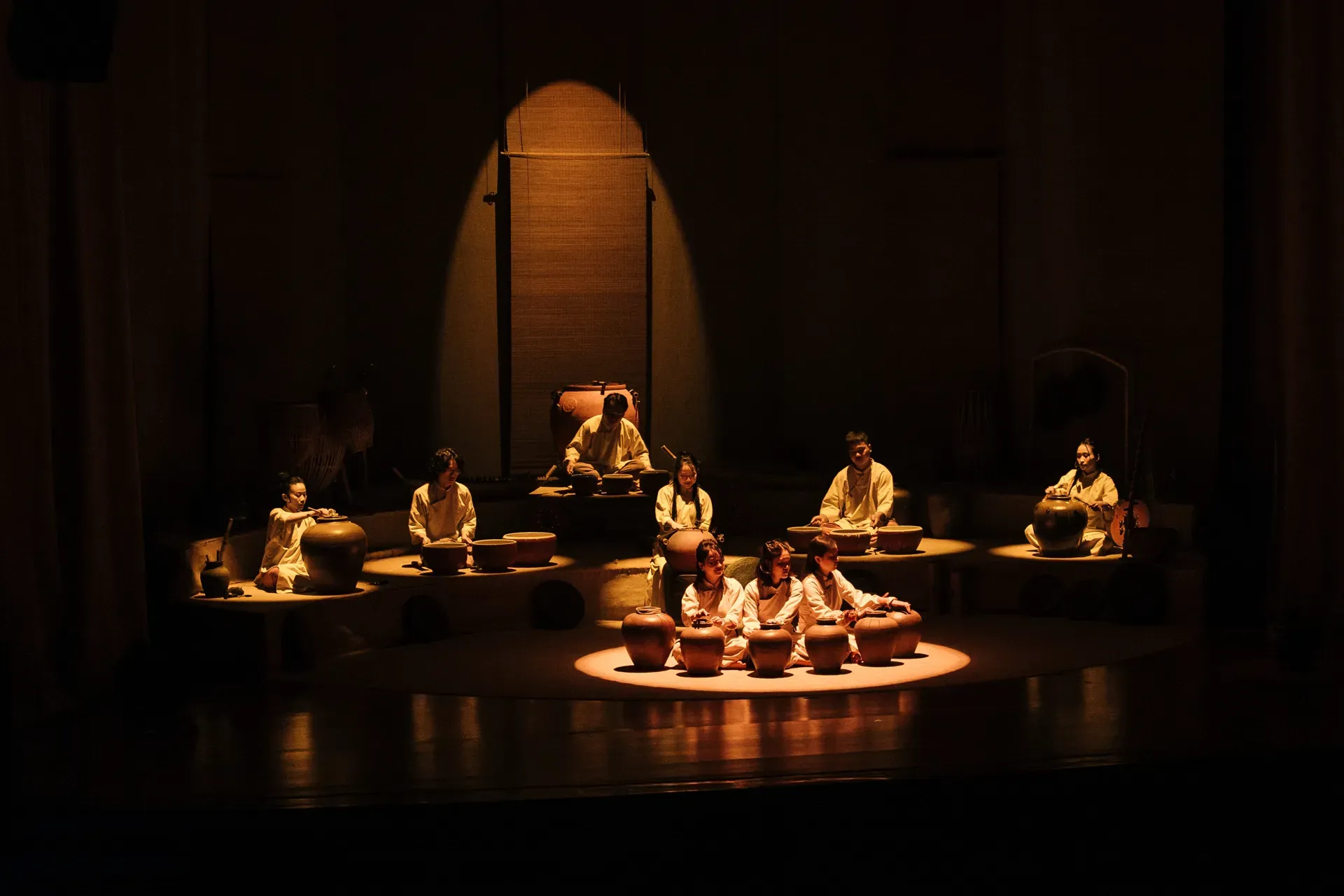
Hanoi prioritizes creative spaces in its sustainable development.