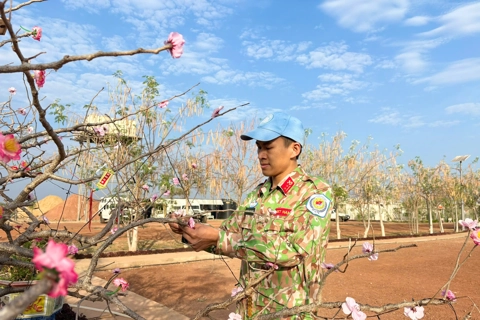
Digital transformation opens new livelihoods for Vietnam’s ethnic minority women
Today in the Muong Hoa Valley, women who once sold goods along tourist roadsides are now driving a livelihood model that blends tradition with innovation, turning cultural heritage into income and joining Vietnam’s digital transformation.
THE HANOI TIMES — As winter light settles over Muong Hoa Valley in the northwestern mountain province of Lao Cai, the landscape emerges through a light mist to reveal terraced fields along the slopes and a quiet stream below, where H'mong and Giay women warmly welcome visitors amid children’s laughter.
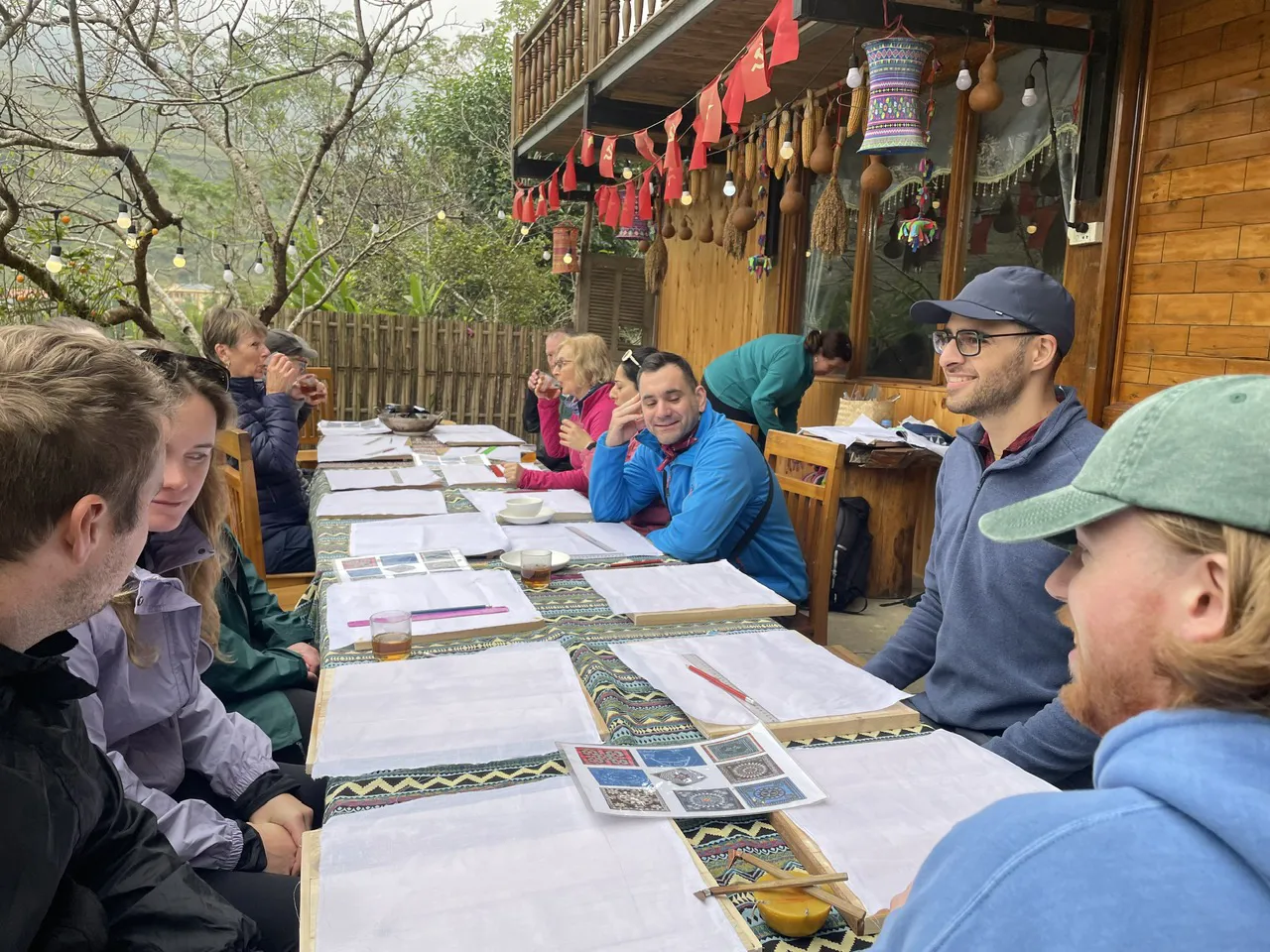
A group of visitors from France, the UK and the US experience traditional craft in Ta Van Village, Lao Cai Province. Photos: Linh Pham/The Hanoi Times
Guests are invited inside to experience local culture, watching brocade weaving, learning how beeswax patterns are drawn on fabric, cooking five colored sticky rice and tasting products of the mountains.
What appears to be a simple tourism visit signals a profound transformation in this highland village.
Behind the welcoming atmosphere is the story of ethnic minority women transforming their lives, moving from unstable livelihoods to economic ownership by combining traditional culture with digital tools.
Once a small and fragile cooperative hit hard by the Covid-19 pandemic, Muong Hoa Cooperative in Ta Van Village has grown into a pioneer model, now supporting more than 300 members and generating jobs for over 200 local women.
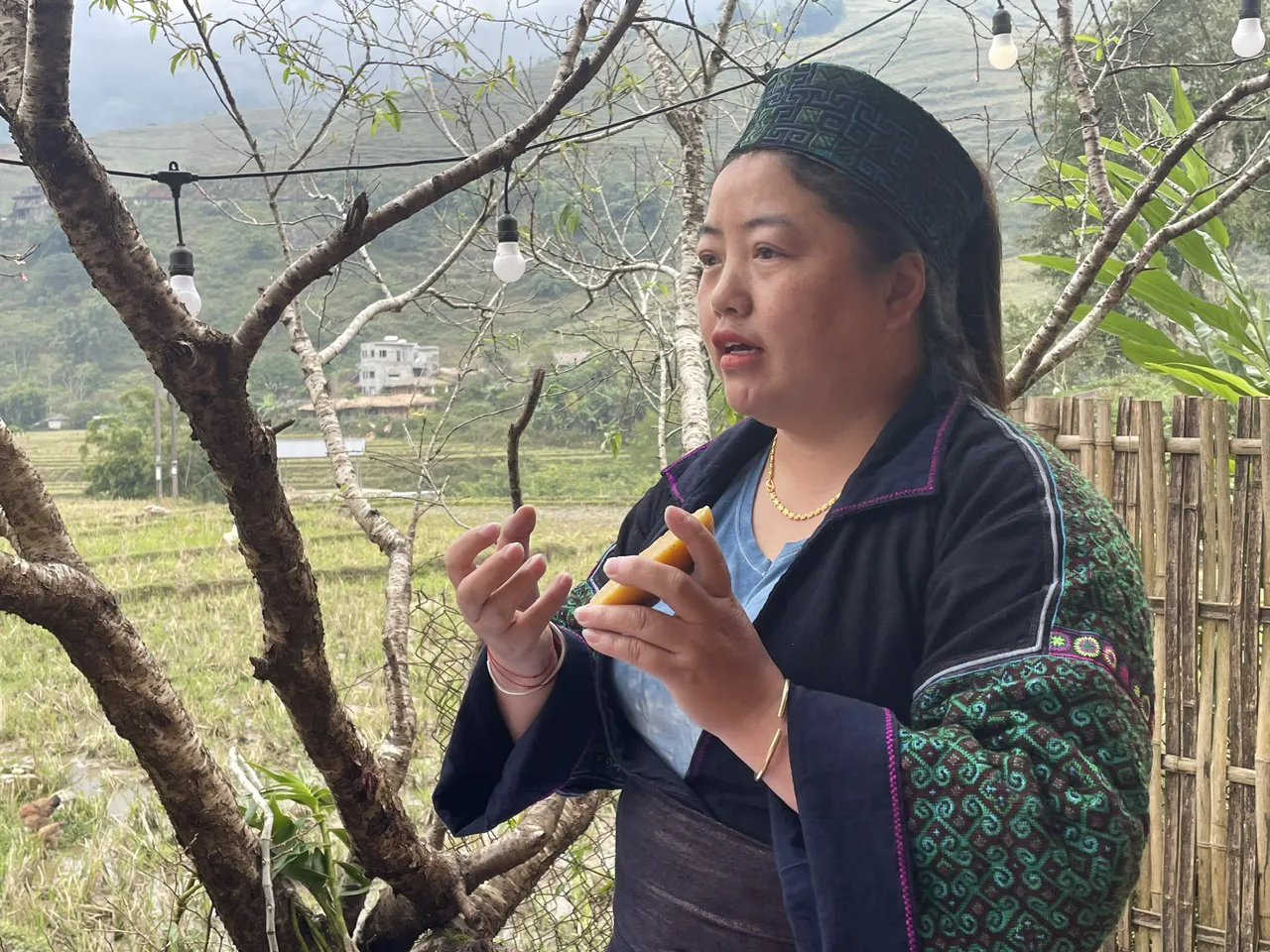
Director of Muong Hoa Cooperative, a H'Mong woman Sung Thi Lan, guides visitors in drawing beeswax patterns on cloth.
This success reflects both the determination of highland women and support from the Gender Responsive Equitable Agriculture and Tourism (GREAT) program, a flagship AUD 67.4 million (US$45 million) initiative funded by the Australian Government.
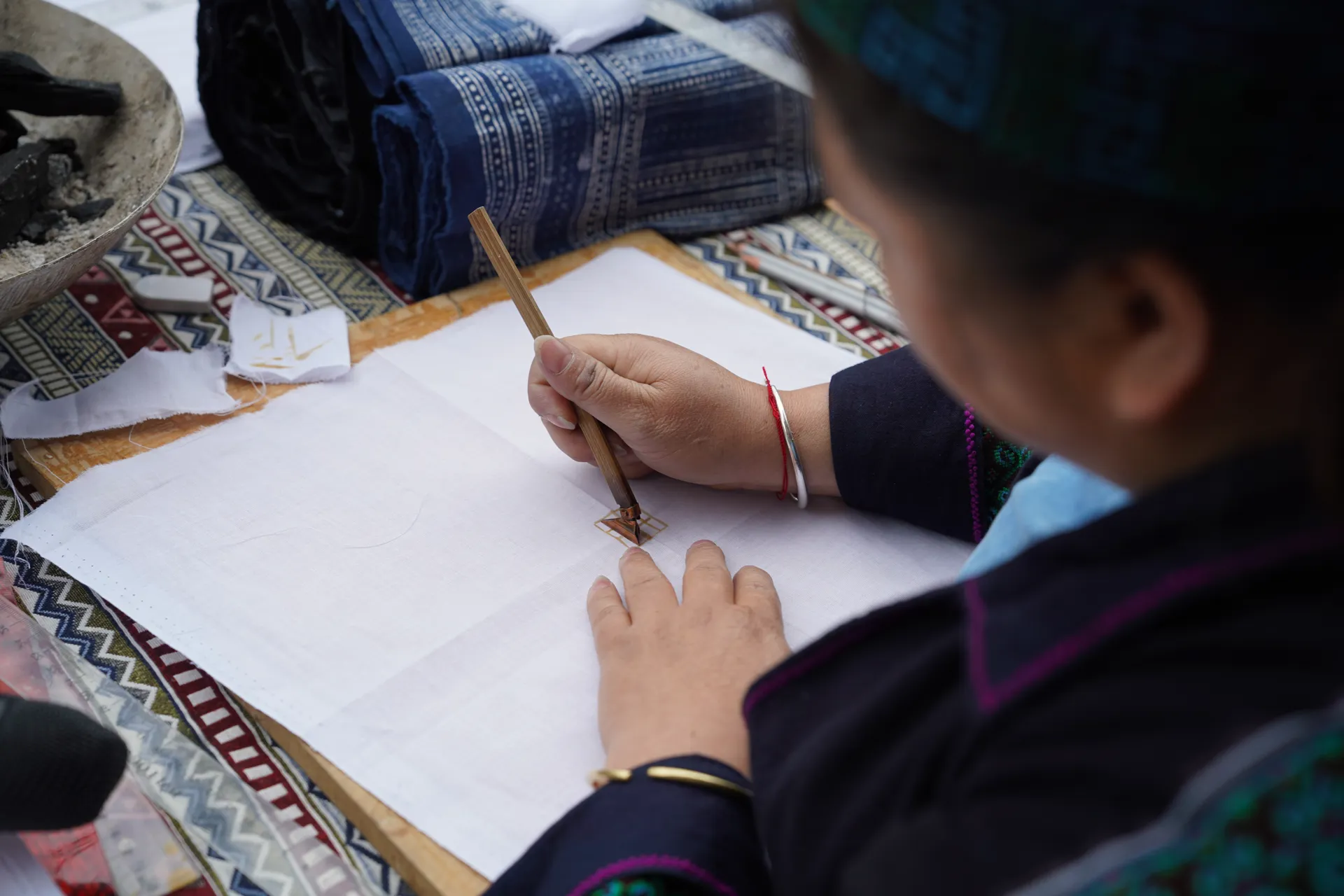
Sung Thi Lan makes efforts to preserve H'Mong people's traditional craft and leads the cooperative for years through hardship.
“First we preserve the craft, then we think about making a living,” Director of Muong Hoa Cooperative Sung Thi Lan said as she guided visitors in drawing beeswax patterns on cloth.
In H'Mong culture, beeswax holds special meaning. After the honey harvest, leftover wax is melted into solid blocks and used to create patterns with pens made of red or yellow copper, metals that retain heat and allow sharp lines.
According to Lan, the most difficult step is heating the wax to the right temperature so it melts evenly and adheres firmly to the fabric. These simple-looking actions carry indigenous knowledge passed down through generations.
Beeswax drawing is only one of many cultural experiences offered by the cooperative.
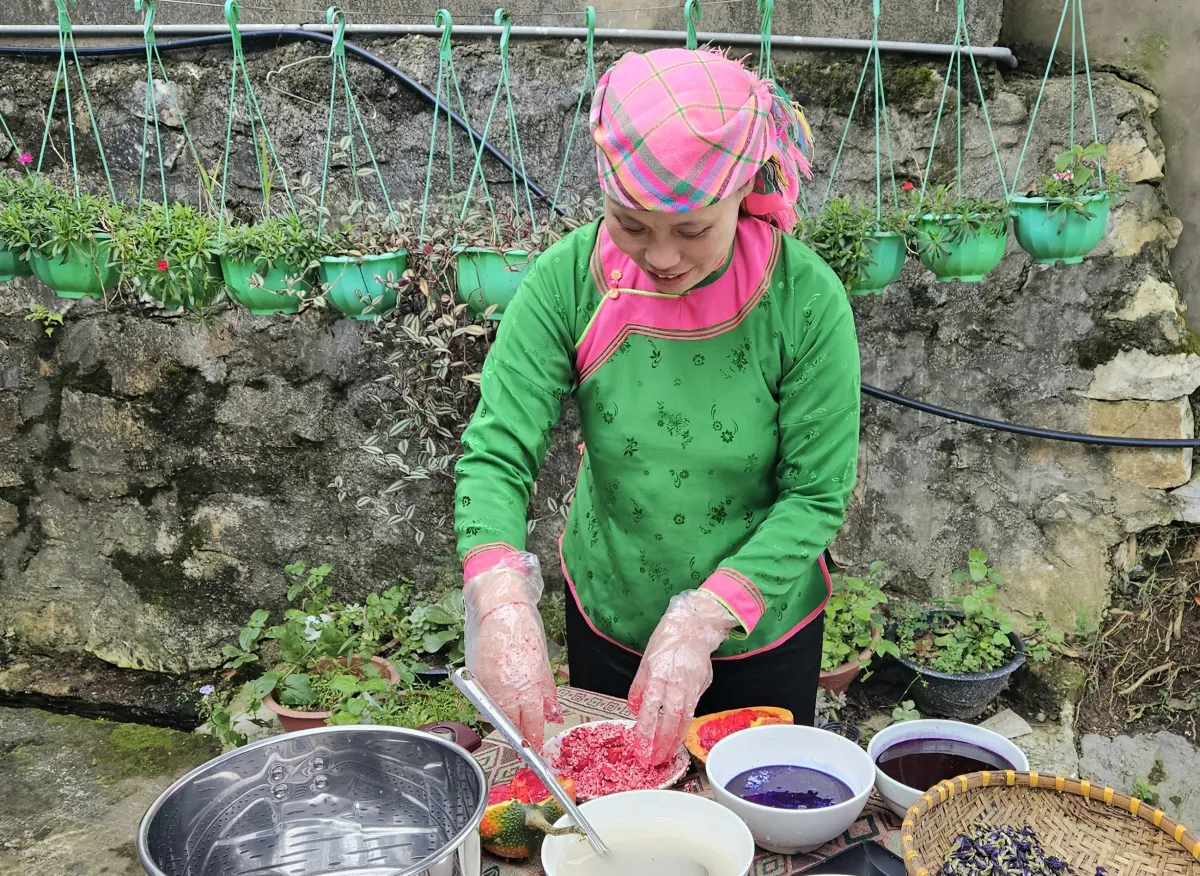
San Thi Lan, a Giay woman and member of Muong Hoa Cooperative, prepares five colored sticky rice for visitors.
In another corner of a small house in the valley, San Thi Lan, a Giay woman participating in the experiential tourism model, prepares ingredients for five colored sticky rice. “Guests watch the process unfold and share the meal on the spot.”
Joining the cooperative in 2021, she said her family income has become more stable and daily life less exhausting.
Lan said the cooperative has connected with travel agencies in Hanoi to bring visitors for local cultural experiences during festivals such as Thanh Minh (the Pure Brightness Festival, a spring observance in early April when families honor ancestors by cleaning graves and making offerings, reinforcing remembrance, filial piety and family bonds) Doan Ngo (the Mid-Year Festival or the Double Fifth Festival, a traditional observance in Vietnam held on the fifth day of the fifth lunar month).
These activities create additional income while helping preserve cultural identity.
The idea of establishing Muong Hoa Cooperative took shape in 2018 when Sung Thi Lan recognized her hometown’s rich cultural assets, including brocade weaving, indigo dyeing and beeswax art, along with strong tourism potential.
She sought not only to preserve traditional crafts but to transform heritage skills into sustainable livelihoods, enabling ethnic minority women to earn stable incomes, build confidence and strengthen their voice within their communities.
The path was far from smooth, as the cooperative struggled to stabilize when the Covid-19 pandemic cut off tourist flows, drained incomes and left homestays empty and handicrafts unsold, prompting a turn toward resilience, new skills, collective support and alternative ways to reach customers beyond the valley.
“Before that, we sold only offline and depended entirely on trekking tourists along the Sa Pa - Ta Van - Lao Chai route. Internet access in the village was almost nonexistent. Zalo and Facebook were mostly for sharing feelings.”
When the pandemic broke out, the cooperative had to close and lost all income.
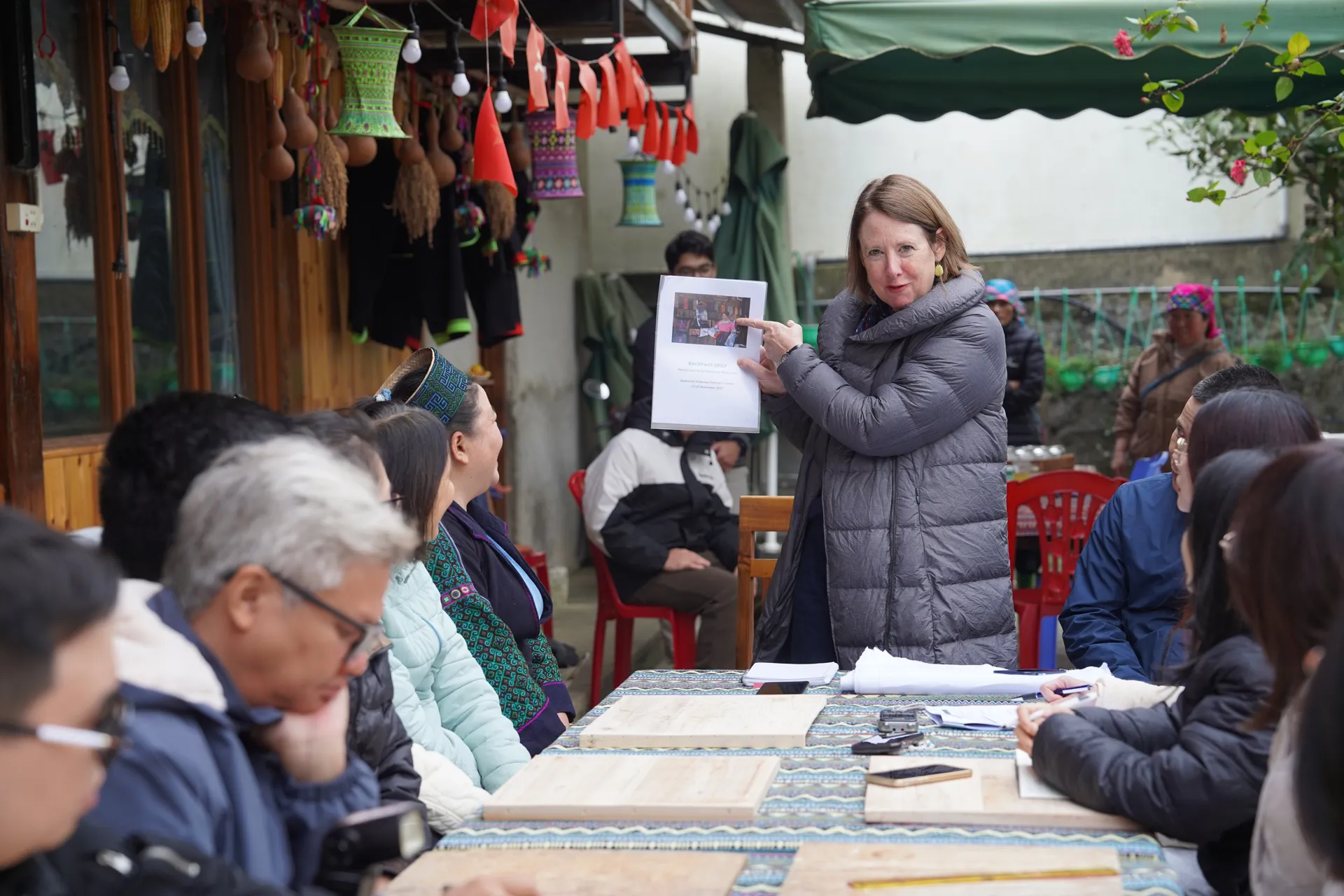
Peta Donald, First Secretary, Australian Embassy in Hanoi, is delighted to introduce the sucessful GREAT model in Ta Van Village.
The turning point came when Muong Hoa Cooperative joined the GREAT Project, which promotes gender equality through improved economic performance in agriculture and tourism.
The project is funded by the Australian Government and implemented through the Digital Ecosystem Strengthening subproject by KisStartup, a Vietnamese firm that supports the startup community by strengthening innovation capacity and helping innovative enterprises operate more effectively for the benefit of society.
Through early digital transformation training sessions, Lan and other members learned how to sell online, build fanpages, plan weekly and monthly posts and manage customer data.
“At first, we were very confused and had to learn again and again. But then we understood what digital transformation meant and started generating income from it,” Lan recalled.
Vu Hai Phong, a representative of KisStartup, said the biggest challenges were limited digital infrastructure and language barriers. “We had to provide very hands-on guidance. But the most important change was the business mindset.”
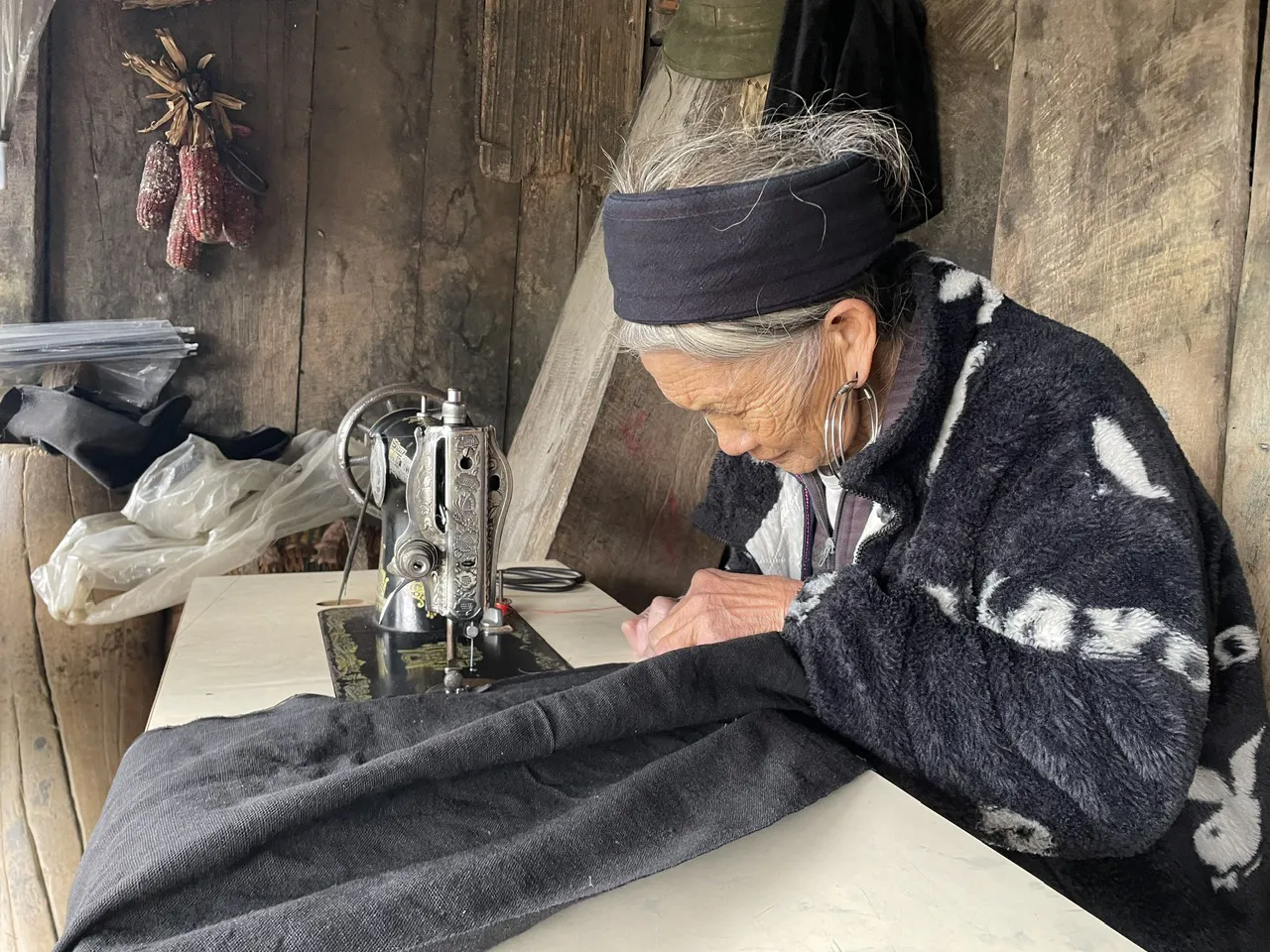
The GREAT project enables those like Vang Thi Chu, a 80-year-old woman, to keep her lifelong craft and raise income.
Thanks to digital transformation, Muong Hoa Cooperative expanded rapidly from just nine initial members to more than 300 currently, organized into groups based on strengths such as embroidery, fabric dyeing, beeswax art, cuisine, homestays and experiential tourism.
These groups are spread across northern mountainous provinces, including Lao Cai, Lai Chau, Son La and Dien Bien. Each group has a coordinator, helping maintain efficient operations despite geographic distance.
Apart from handicraft production, the cooperative has developed cultural experience tours, ranging from beeswax drawing and indigo dyeing to herbal baths, local cuisine and homestays to increase service value and create flexible jobs for local women.
According to Vu Quynh Anh, Deputy Head of the GREAT Project, the second phase, between 2022 and 2027, focuses on building a sustainable digital ecosystem, allowing women-led businesses to access human resources, consulting and financial and personnel management tools at a reasonable cost.
She said the goal is not just to use technology but to help businesses operate effectively and sustainably.
Assessing the impact of the program, Australian Ambassador to Vietnam Gillian Bird said the flagship GREAT program supports women-led businesses in agriculture and tourism while also helping reform the business and policy environment to ensure sustainable economic empowerment.
She affirmed that Australia prioritizes gender equality and inclusion in its development partnership with Vietnam, recognizing that empowering women and men alike drives economic growth and shared prosperity.
She emphasized gender equality and inclusion.“When everyone can reach their full potential, the economy grows and the country prospers.”
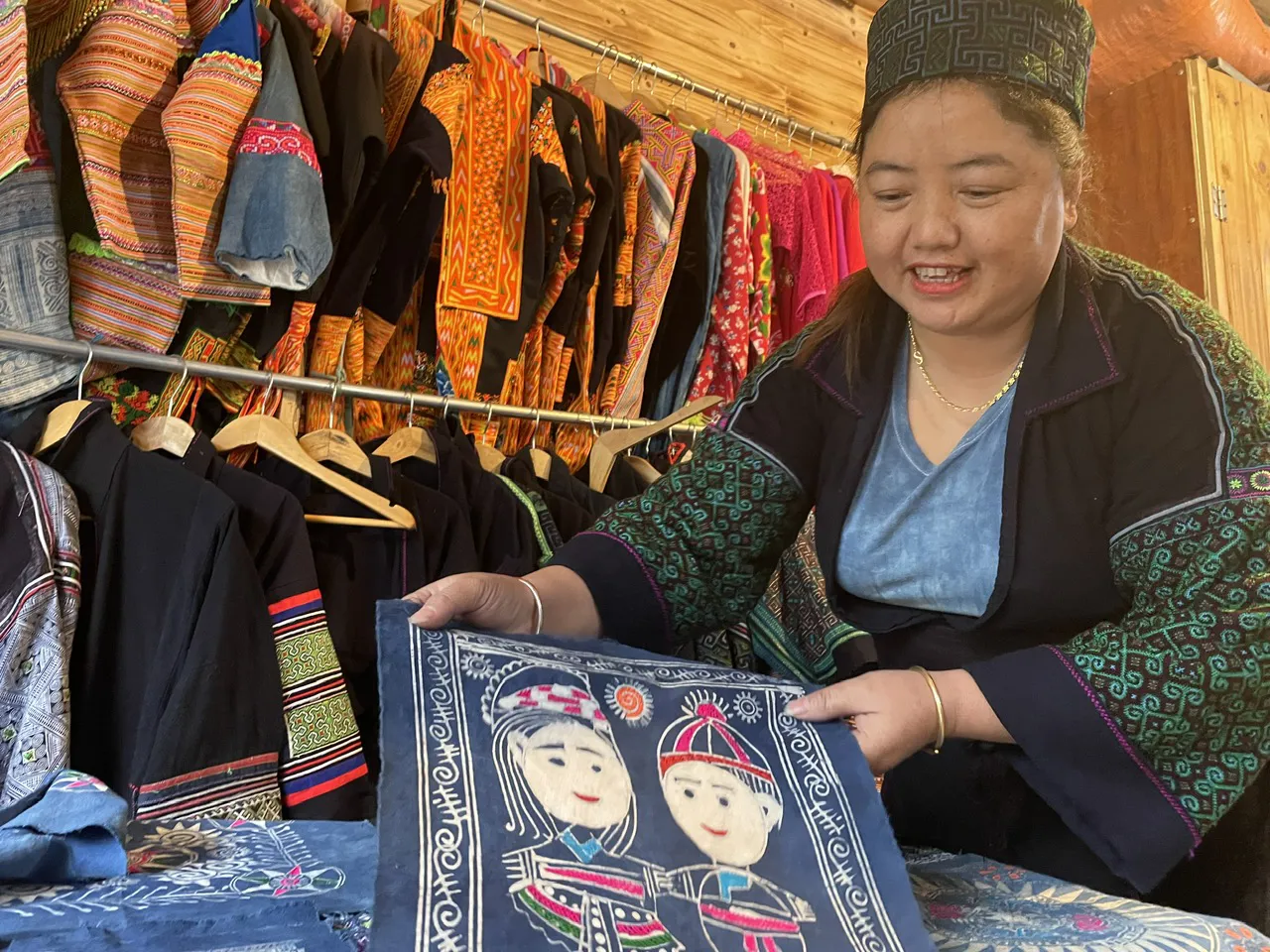
After years struggling for the survival of traditional brocade weaving of H'Mong people, Sung Thi Lan is now happy to showcase their products to visitors.
Today in the Muong Hoa Valley, women who once relied on selling goods along tourist roadsides have emerged as drivers of a new livelihood model rooted in tradition and innovation.
By turning cultural heritage into marketable experiences and products, they have strengthened household incomes while safeguarding skills passed down through generations.
Their products are now sold mainly through export orders to foreign buyers, including customers in China and Europe.
As digital tools open access to wider markets and new forms of tourism, ethnic minority women here are no longer on the margins but active participants in Vietnam’s digital transformation journey.