First day of Hanoi's two-tier local government: Smooth, professional, and people-centered
On July 1, the first day of implementation, Hanoi’s two-tier local government model launched smoothly across merged wards and communes, reflecting strong preparation and citizen-centered service.
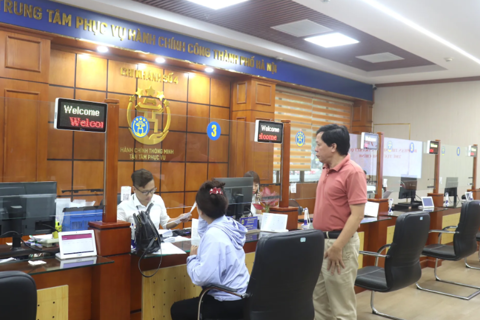
THE HANOI TIMES ─ Mai The Thuc, a longtime Hanoi resident, arrived at the Kim Lien Ward Public Administration Service Center early on July 1 to apply for a land use rights certificate for the first time.
It was the launch day of Hanoi’s new two-tier local government system, and he expected delays. But what he found was courteous staff, clear instructions, and a clean, well-organized facility.
“I was warmly welcomed and guided through each step,” he said. “The process was smooth and efficient, much better than I anticipated.”
Also at the center that morning was Nguyen Thi Bich Lien, who came to obtain a certificate of single status. “I was worried there might be confusion under the new system,” she admitted. “But everything went just like before. If anything, it felt even faster and more convenient.”
A well-prepared system
To ensure a seamless launch of the two-tier government model, Hanoi conducted a week-long trial run from June 20 to 26. New wards and communes tested software systems, technical infrastructure, electronic document workflows, and public service processes. Thanks to this meticulous preparation, operations ran smoothly from the very first day.
Newly merged wards such as Kim Lien and O Cho Dua completed facility upgrades, reorganized office layouts, and thoroughly cleaned their premises to welcome residents in a bright and professional setting.
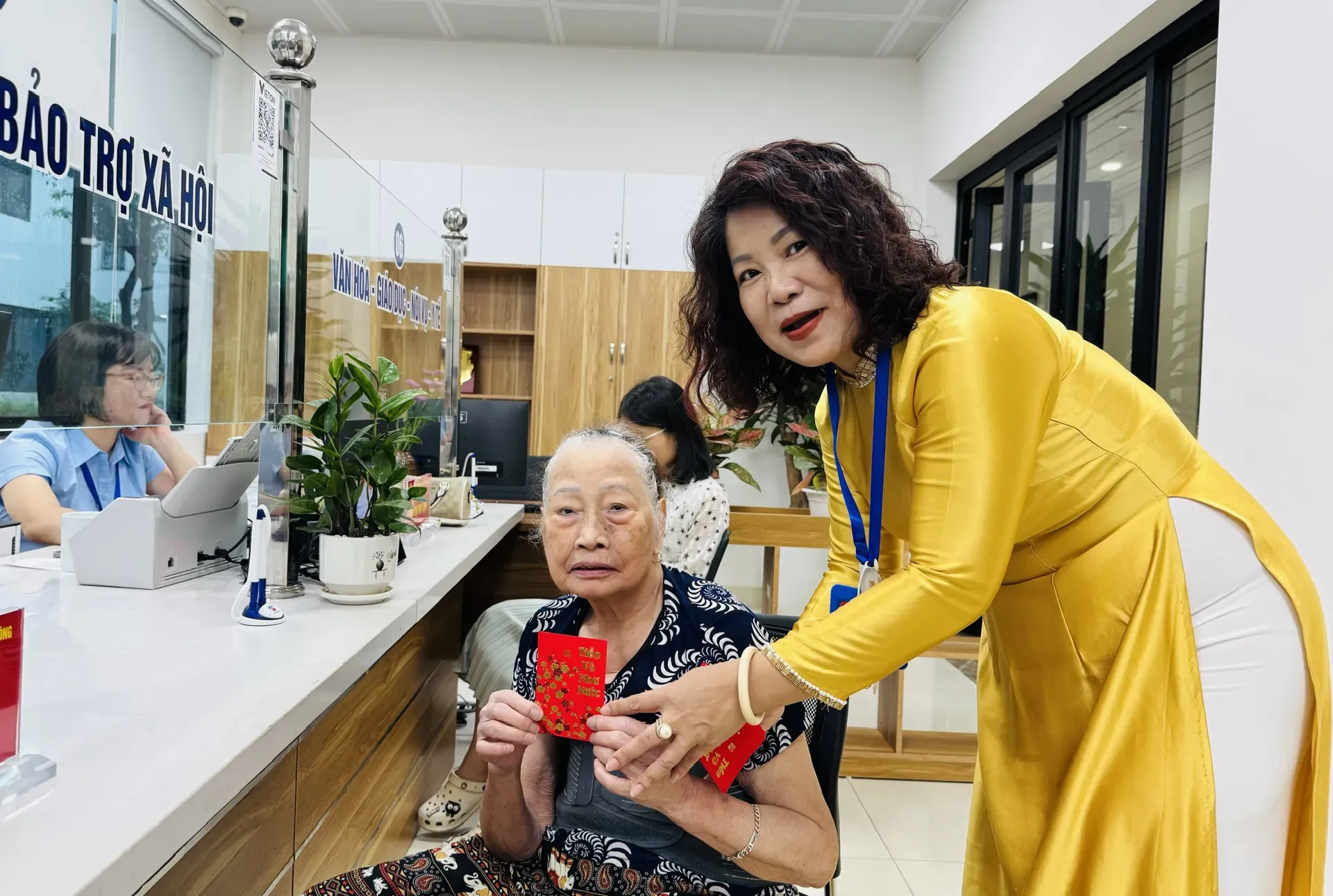
A leader of O Cho Dua Ward present gifts to the first citizens arriving to complete administrative procedures at the ward office.
At O Cho Dua Ward, Vice Chairwoman Trinh Dan Ly noted that civil servants were present early, in full professional attire, prepared to guide citizens through every step—from information lookup to form completion and procedure execution.
By early morning, a crowd had gathered at the ward’s administrative service center. Staff resolved all requests swiftly, while ward leaders personally supervised operations and even presented small gifts to the first citizens completing procedures.
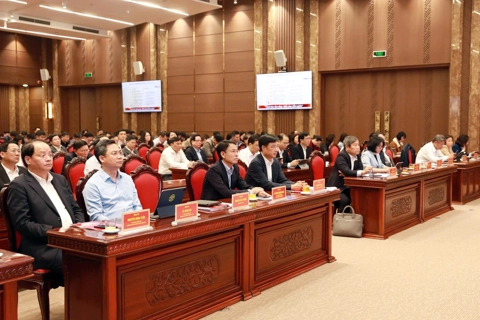
That same morning, Dong Da Ward’s Party Committee organized a flag-raising ceremony and political briefing, urging civil servants to embrace their new responsibilities. More than just administrative upgrades, the event symbolized a renewed commitment to public service.
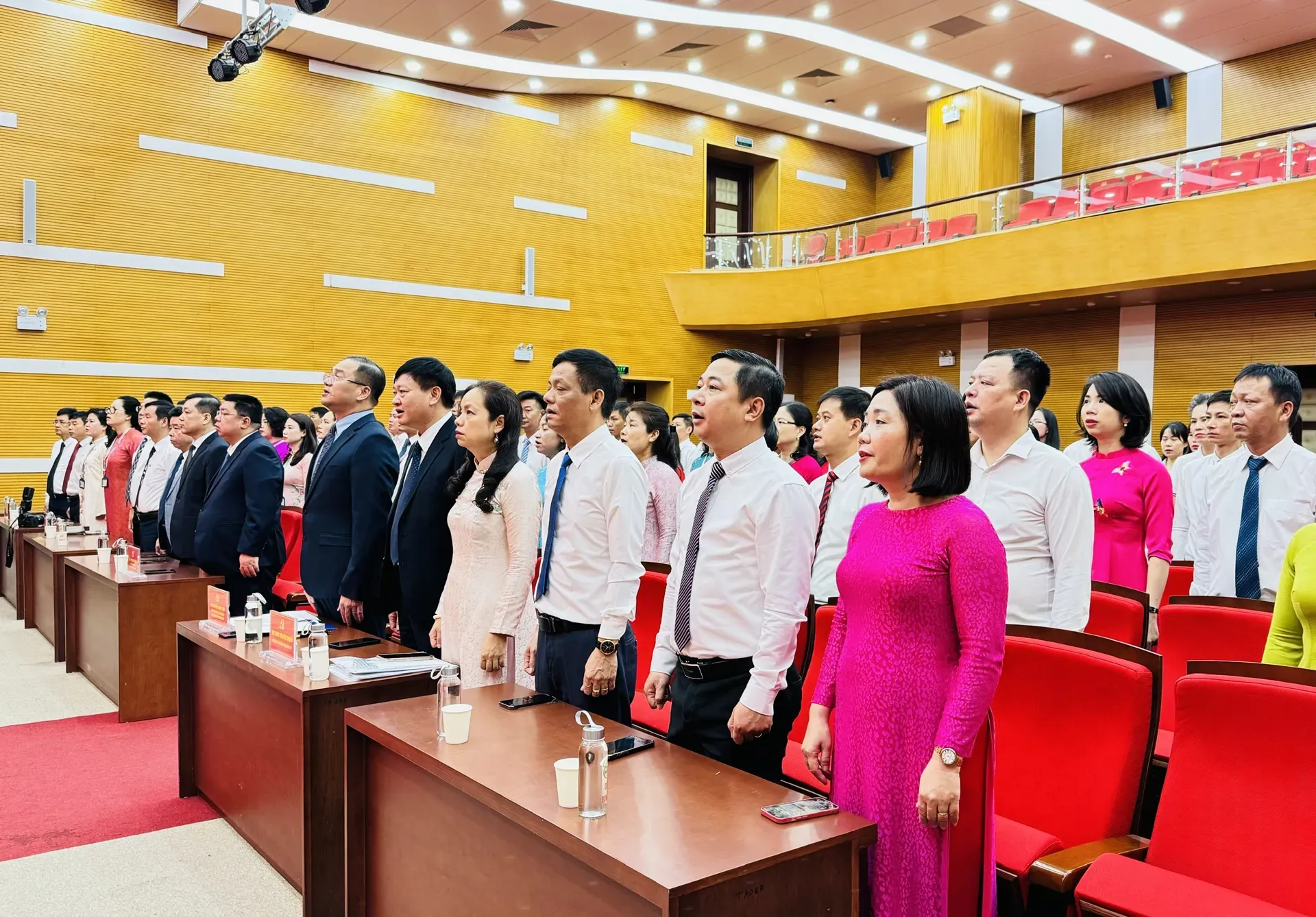
Dong Da Party Secretary Nguyen Ngoc Viet urged all staff to adopt a refreshed mindset and professional spirit, emphasizing that civil servants must view public service as an honor, with citizen satisfaction as their guiding metric.
Administrative reception centers have been redesigned with automated number dispensers, digital information kiosks, clearly posted procedures, and designated zones for form submission and document retrieval. Civil servants, dressed professionally, were on hand to guide citizens at every step.
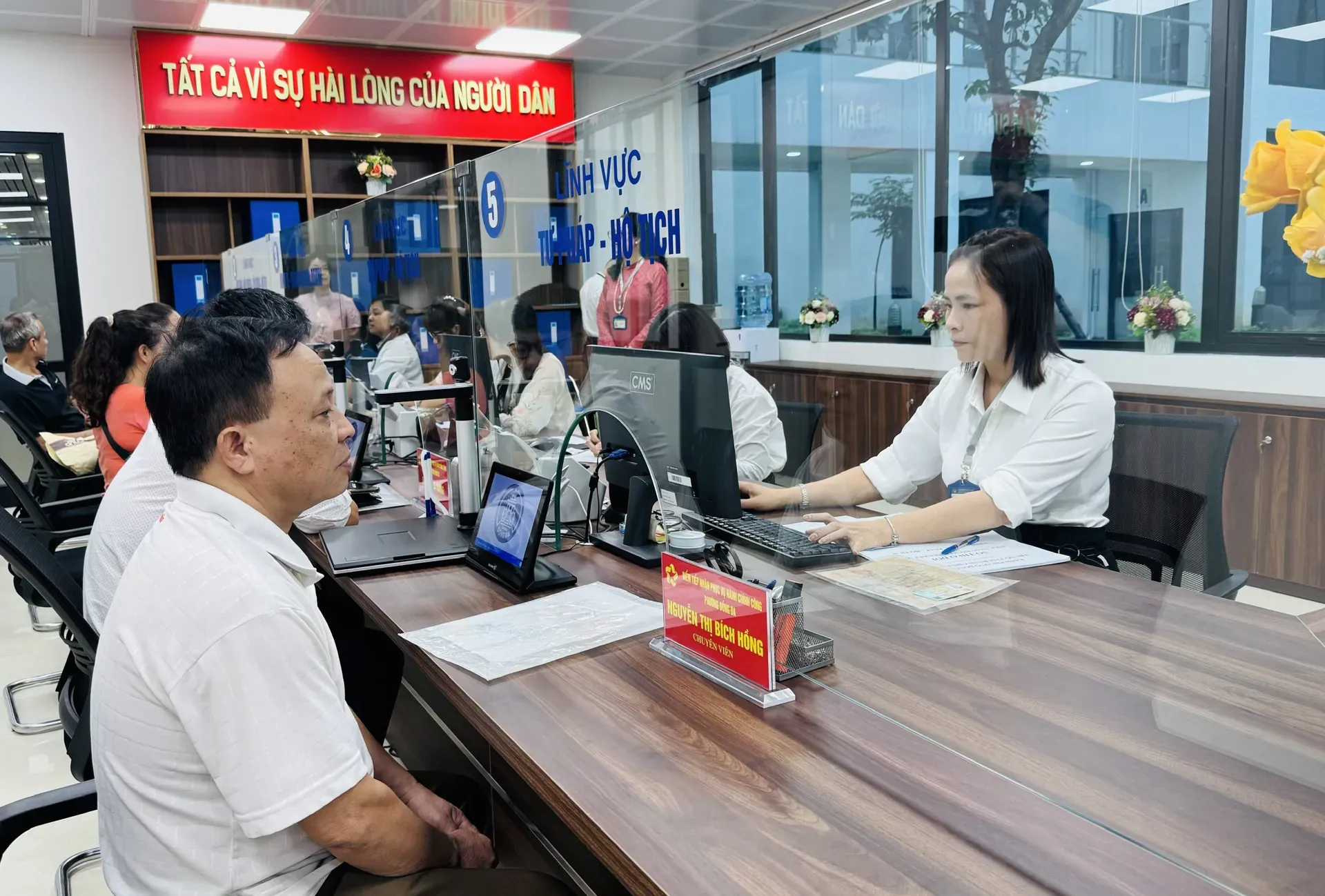
Kim Lien Ward Vice Chairman Tran Hoang explained, "Our goal is for people to experience the positive change brought by the new model. Procedures must be clear, quick, and free of hassle."
The administrative system is now fully operational, guided by principles of transparency, efficiency, and service excellence.
"We’ve instructed all staff to understand the objectives and expectations of this model. We aim to make Kim Lien a leading example of streamlined and citizen-oriented governance," he added.
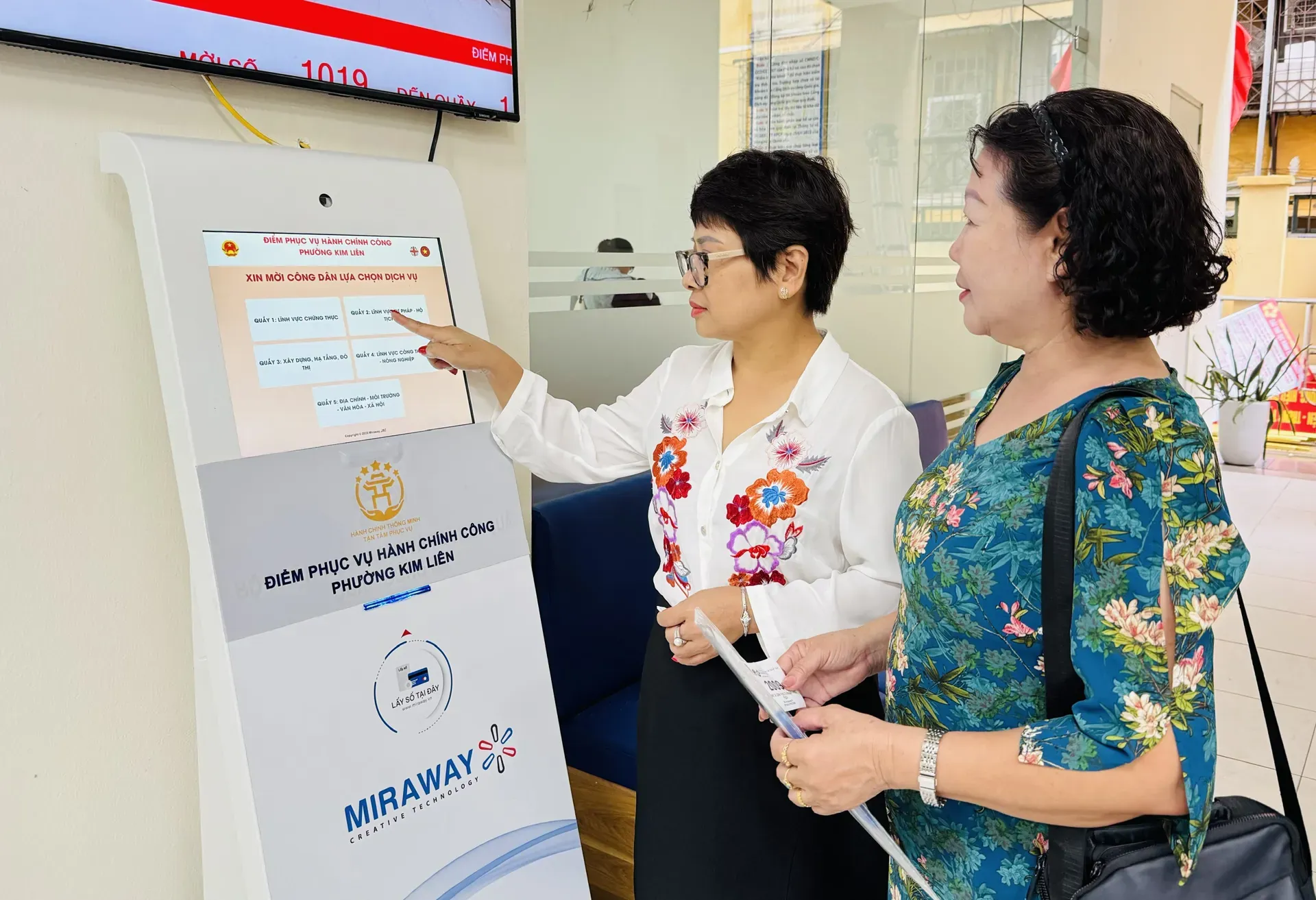
Closer to the people, more effective governance
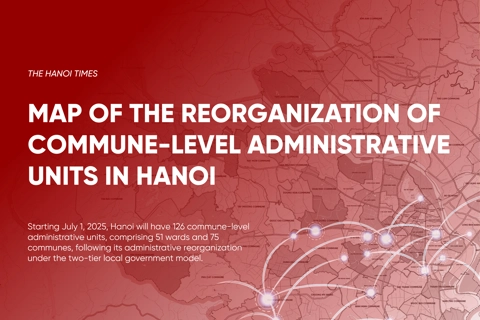
According to the resolution approved by the National Assembly, Hanoi has reduced its commune-level administrative units from 526 to 126, including 51 wards and 75 communes. On June 30, related resolutions and decisions were publicly announced citywide.
The successful launch of these 126 new units reflects Hanoi’s strong political will and thorough preparation to streamline the government structure, delegate authority, and better serve its citizens.
At Huong Son Commune in My Duc District, Vice Chairman Nguyen Anh Tuan said, "The pilot phase allowed us to clearly define roles, leadership structure, and workflows. Citizens encountered no difficulties."
The two-tier local government model was designed to clarify responsibilities between provincial and commune levels, eliminate overlaps, and enhance local autonomy. This transformation goes beyond organizational change, representing a shift in public service culture.
At Kim Lien Ward, Chairwoman Le Kim Hue shared, "By late June, we had renovated our offices, reorganized departments, and standardized workflows to ensure the new system would run smoothly."
From Huong Son Commune (My Duc District) to Cua Nam Ward (Hoan Kiem District), and newly established wards like Kim Lien and O Cho Dua, officials were proactive and highly responsible during this initial phase.
Dong Da District Vice Chairman Nguyen Hoang Thang emphasized: "We’ve clearly assigned responsibilities and maintained 24/7 duty shifts to handle any emerging issues. Our priority is to prevent any disruption in public services."
A promising start
July 1, 2025 marked not just the launch of Hanoi’s two-tier local government model, but also the culmination of months of careful planning, strong accountability, and a deep commitment to comprehensive administrative reform. Citizens left government offices satisfied. Civil servants performed with professionalism and dedication. The new structure is streamlined, transparent, and ready to serve.
This is the image of a modern, responsive Hanoi government, closer to the people and better for the people.