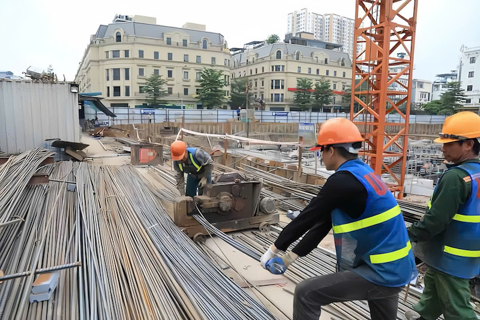
Hanoi addresses shortcomings in urban planning
The city encourages greater public participation in the planning process, especially those of large scale and with significant meaning for the city’s development.
The Hanoi People’s Committee has issued a plan to address shortcomings during its planning process.
The move is part of the efforts to realize the city’s construction planning until 2030, with a vision for 2050.
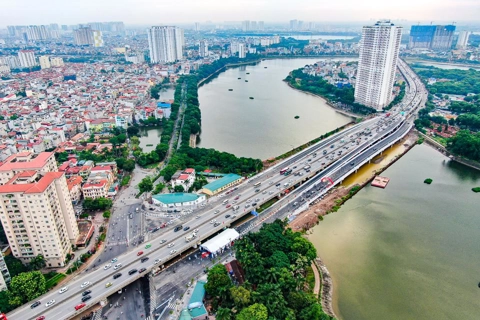
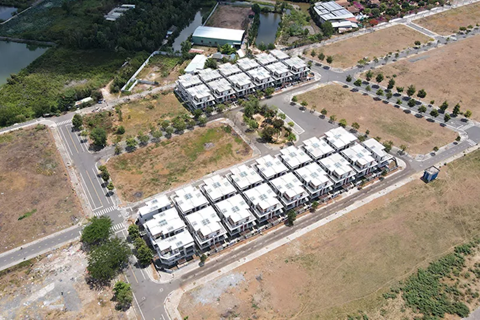
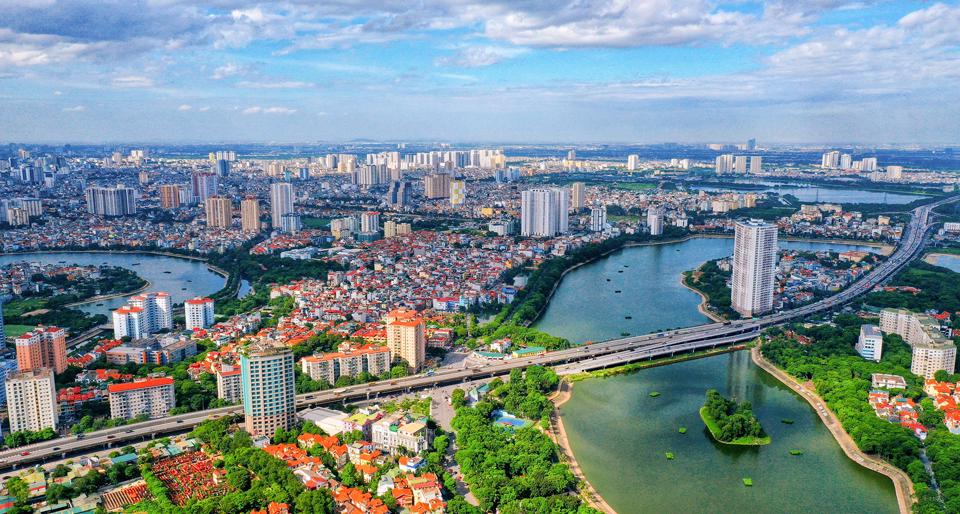
| Hanoi from above. Photo: Hoang Ha |
According to the plan, in recent months, Hanoi has been focusing on drafting and revising different urban plans, from the overall planning to the zoning and detailed plan, which would serve as the basis for infrastructure development projects.
"Effective planning is essential for urban- and land management, eventually supporting the socio-economic development," said the plan.
In this regard, the city has tightened the planning approval and appraisal, seen as a pivotal task to improve the quality of planning, urban design, and architectural works.
Another priority in the planning is to preserve and promote cultural and historical heritages, the environment, and the natural landscape for a modern and civilized Hanoi.
However, the Hanoi People's Committee acknowledged the slow pace at which overall construction planning is being adjusted, while formulating detailed planning at a 1:500 scale continues to face legal hurdles.
In addition, the development of detailed planning for urban areas has also been behind schedule or impractical.
The plan stresses the need for local authorities to adjust construction planning by Politburo Resolution No.15 on targets for Hanoi's development until 2030, with a vision to 2045.
The authorities attributed these shortcomings to the inconsistency of the legal framework for planning, which means that it has not fully reflected actual changes, to the limited capacity of consultants, or to the complicated process of selecting foreign consultants.
Other problems include the lack of vision for urban development and the inability to foresee difficulties during the implementation process.
Ineffective interagency cooperation in implementing planning, or the lack of funds or processes, has also been a concern.
Applying digital technologies in planning
To address these issues, the Hanoi People's Committee is expected to focus on finalizing the legal framework for planning and architecture for greater transparency, efficiency, and consistency.
"The quality of planning should meet the rising demand for urban management and development in Hanoi," noted the plan.
In this regard, Hanoi would consider revising the methodologies and approach in planning, maintaining the balance between rural construction and urban development, and keeping the unique cultural characteristics.
Hanoi continues to mobilize resources for the planning process and set up a protocol to receive donations and financial support from organizations and individuals.
According to the plan, the move would allow all economic components to participate in the planning process, especially those of large scale and with significant meaning for the city's development.
Public servants involved in the planning process are expected to be equipped with modern knowledge and capabilities to meet the requirements of their tasks.
Hanoi would incorporate construction planning with those related to land management, transportation, and different economic sectors, so planning is an effective tool for sustainable urban development.
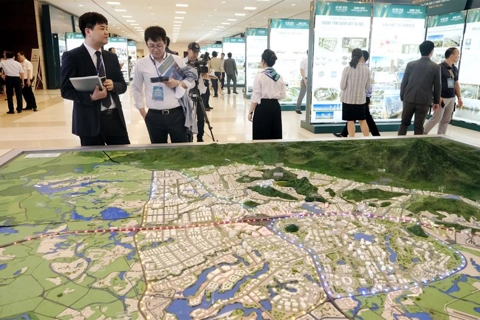
The city expects to build a single database on planning-architecture-construction and urban development, apply the geographic information system and digital technologies in planning, and set up an online portal on planning for public access.
The planning for Hanoi in the 2021-2030 period, with a vision to 2050, would include the analysis and forecast based on the characteristics of Hanoi, the assessment of the current progress of socio-economic development, the use of land resources, a system of urban and rural structure, and the factors required for Hanoi to strengthen linkages with provinces/cities in the capital area.