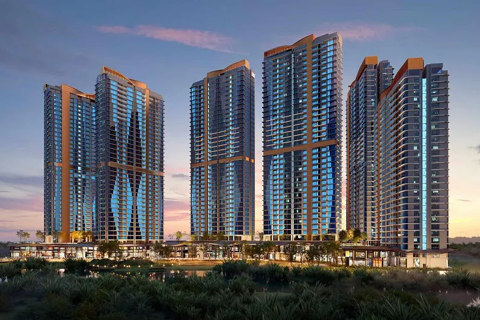
Hanoi adds dozens of hectares for public use
The new projects to expand land areas for public use this year have led to changes to land use plans in three urban districts.
THE HANOI TIMES — The Hanoi People’s Committee has added over 13.4 hectares to the city's 2025 land use plans for its central districts of Dong Da, Hoan Kiem, and Hai Ba Trung.
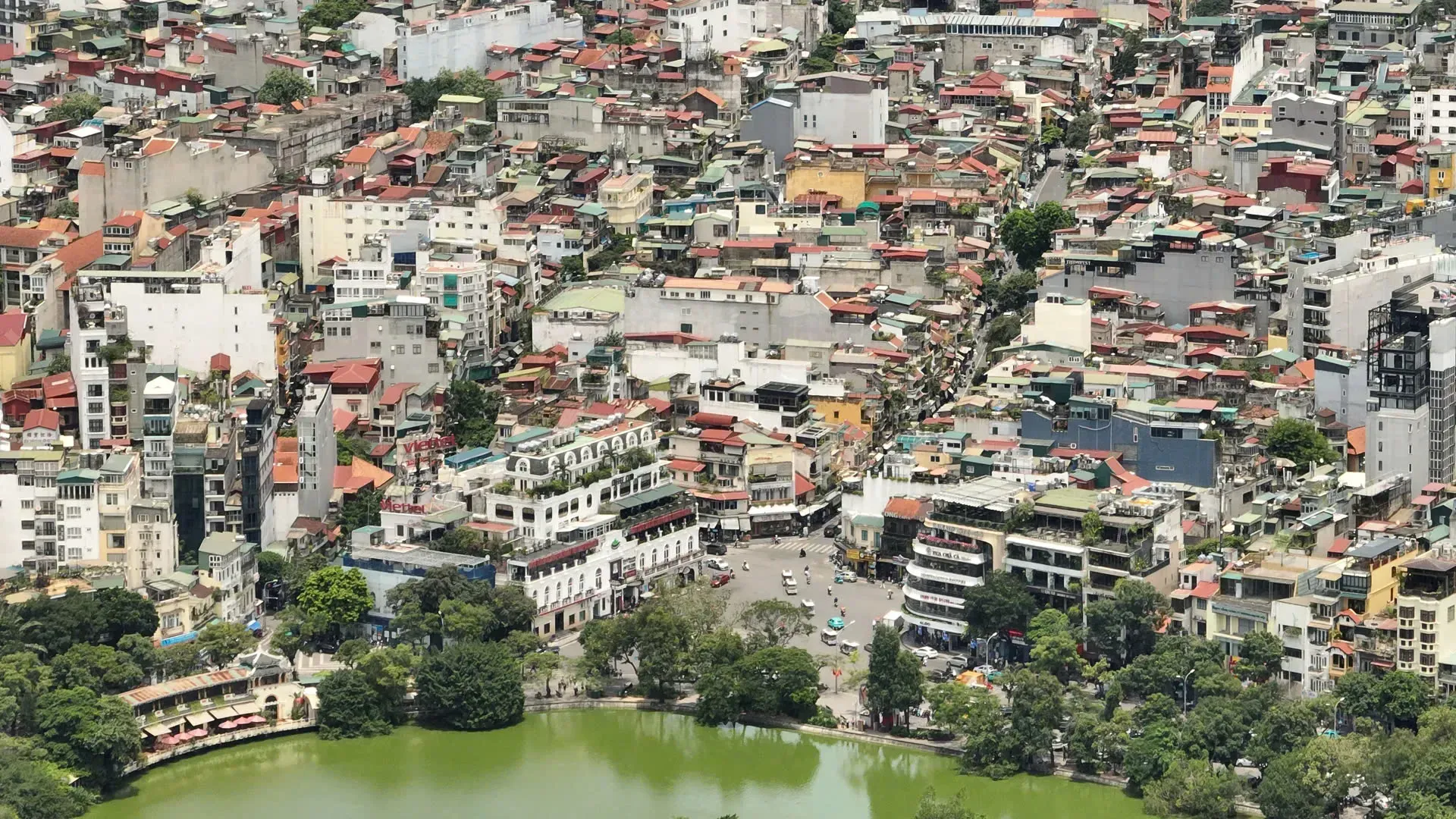
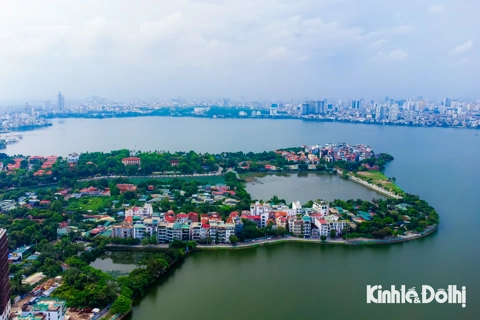
Dong Kinh Nghia Thuc Square at Hoan Kiem Lake. Photo: Kinh te & Do thi Newspaper
In Hai Ba Trung District, a portion of agricultural land will be reclaimed for the construction of the Capital Youth Park.
Other major projects planned for 2025 in the district include the construction of the Tran Hung Dao Bridge and technical infrastructure upgrades at Thong Nhat Park, and on Tran Nhan Tong, Nguyen Dinh Chieu, and Le Duan streets.
Following these adjustments, the district will have 36 planned projects with the total land area increasing by 3.3 hectares to 12 hectares.
In Dong Da District, three new projects with a combined land area of 1.6 hectares will be added. These include the construction of the new Kim Lien High School, improvements to the infrastructure and landscaping around Dong Da Lake, and the renovation and reconstruction of the apartment building at 51 Huynh Thuc Khang Street in Lang Ha Ward.
A total of 28 projects covering approximately 15.2 hectares will now be implemented in the district.
In Hoan Kiem District, four projects will be added to the 2025 land use plan, using a combined area of around 8.6 hectares.
These include the Tran Hung Dao Bridge project; compensation and resettlement for the TOD (transit-oriented development) zone to the east of Hoan Kiem Lake; the expansion of Dong Kinh Nghia Thuc Square; and the construction of the Tu An Hotel.
After making these adjustments, Hoan Kiem District will implement 26 projects in 2025, covering a total area of around 12.8 hectares.