Hanoi anticipates US$38 billion for housing development in 2021-2030
In the next ten years, Hanoi would allocate 1,868 hectares for housing development, partly accommodating laborers in industrial parks.
Hanoi expects VND880 trillion (US$37.7 billion) would be poured into housing development in the city during the 2021-2030 period, including VND11.7 trillion ($501 million) from the state budget.
| Overview of the session. Photo: Viet Thanh |

The figures were mentioned in a resolution on the city’s housing development program for the 2021-2030 period which was ratified by the 7th meeting of the Hanoi People’s Council today [July 8] with the endorsement of 100% of deputies present.
According to the resolution, the program should be in line with the national strategy on housing development in the 2021-2030 period, with a vision to 2045; the city’s construction planning until 2030, with a vision to 2050; and decision No.15 of the Politburo on the vision and objectives for Hanoi’s development until 2030, with a vision to 2045.
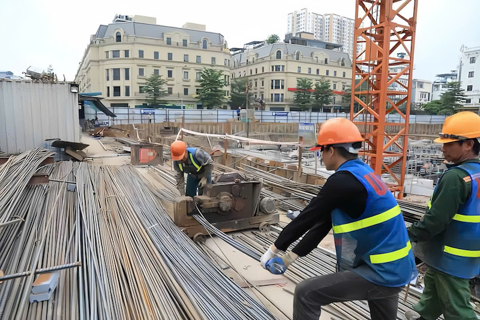
The resolution expects by 2025, Hanoi would ensure housing for laborers, especially for those working in industrial parks, through mobilizing the involvement of the management board of industrial parks, local authorities, and labor unions.
“Workers' housing is considered an essential item in any industrial park,” it added.
By 2025, the city targets the average floor area per person to be 29.5 square meters. The size of dwelling in the urban areas is 31 square meters per person and 28 square meters per person in rural areas.
These figures would rise to 32 square meters by 2030. The size of dwelling in urban areas would be 33 square meters per person, and 28 square meters per person in rural areas.
Hanoi also plans to develop 0.56 million square meters of floor areas for resettlement purposes, as the authorities would purchase commercial houses for resettlement with funding from the state budget.
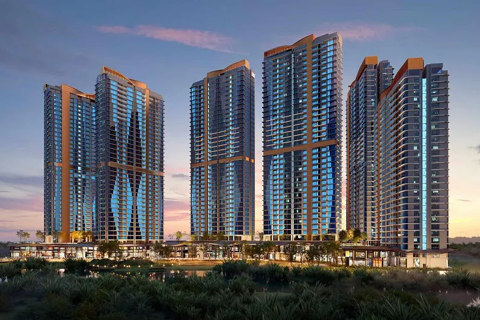
Regarding commercial projects, Hanoi would develop 19.69 million square meters, averaging 40 square meters per apartment.
The city is expected to speed up the renovation and reparation of old apartments, especially six apartment buildings in grade D, deemed dangerous for living.
In addition, around 22.5 million square meters of detached houses would be developed to meet the public’s demand or around 4.5 million square meters per year.
The resolution calls for the removal of makeshift houses, especially those under bridges, along rivers and canals; raise the permanent housing rate in Hanoi to 90%, with 95% in urban areas and 85% in rural areas.
The Hanoi People’s Council requested new property projects to match the global trend of green and smart; residential areas should be equipped with basic amenities, from public schools, waste drop-off areas, or car charging stations.
By 2030, Hanoi would have 5.55 million square meters of social housing, and 100% of industrial parks would provide social housing for laborers.
The total areas for resettlement are expected to be 1.3 million square meters, commercial houses 15.19 million square meters, and detached houses 22.5 million square meters.
Hanoi would prioritize housing projects in urban satellite areas, expecting 100% of new projects to be at least 10 hectares and following the trend of green and smart; applying digital technologies.
For the 2021-2030 period, Hanoi would allocate 1,868 hectares for the housing development, including 1,384 hectares in urban areas, and 484 hectares in rural areas.