Log in
Hanoi

Hanoi's “red addresses” with Uncle Ho's imprint

Many historical sites have become must-visit locations for educating the young generation about the patriotic tradition and revolutionary spirit.

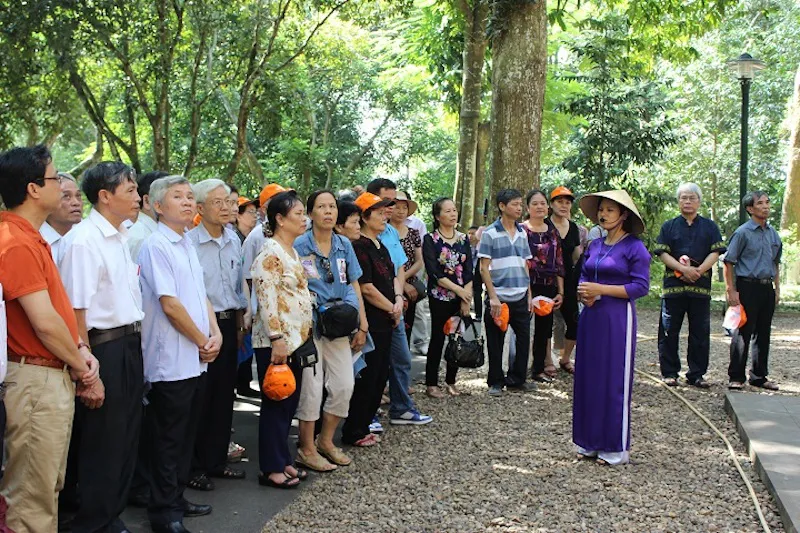
Many places in Hanoi have become historic sites with President Ho Chi Minh's imprints and “red addresses” for young generations to remember him.

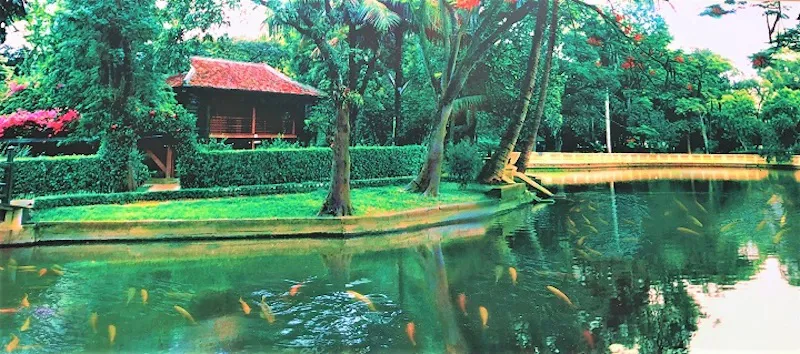
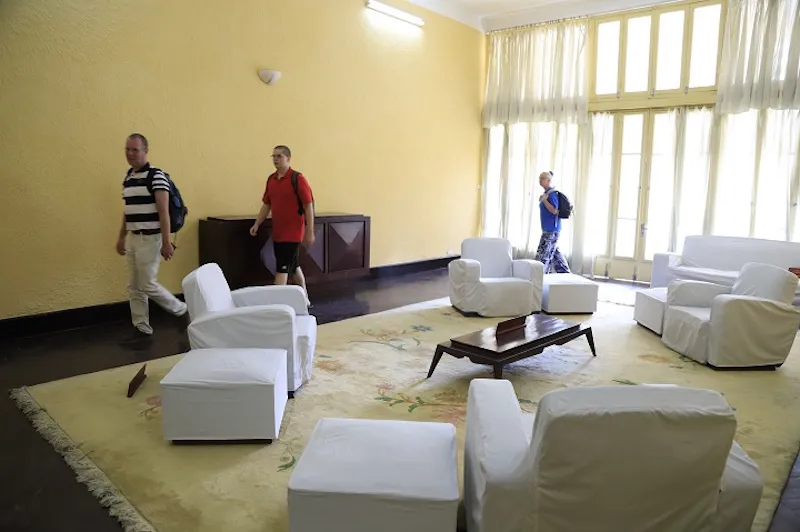
Not the sumptuous Presidential Palace but its servant quarters used be the living and working places of Ho Chi Minh in the last 15 years of his life (1954 - 1969). The wooden stilt house by the fish pond is proof of his simple life style.
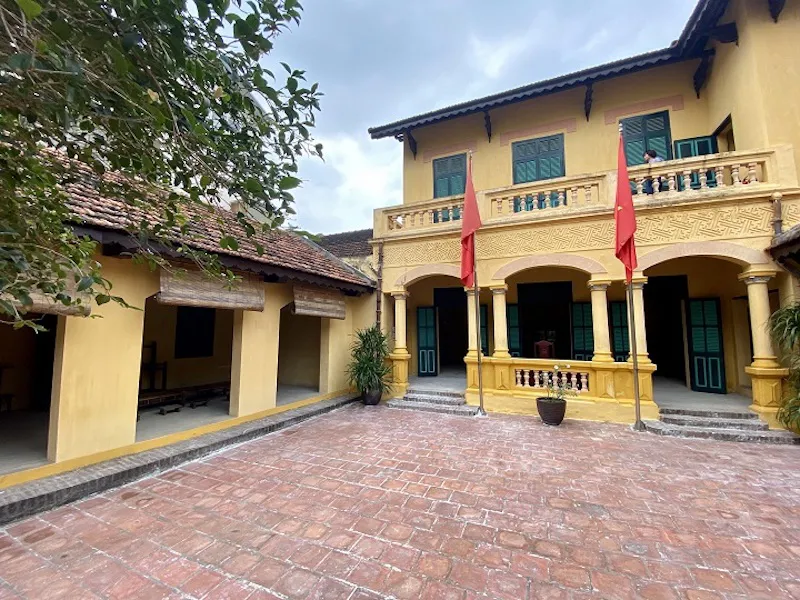
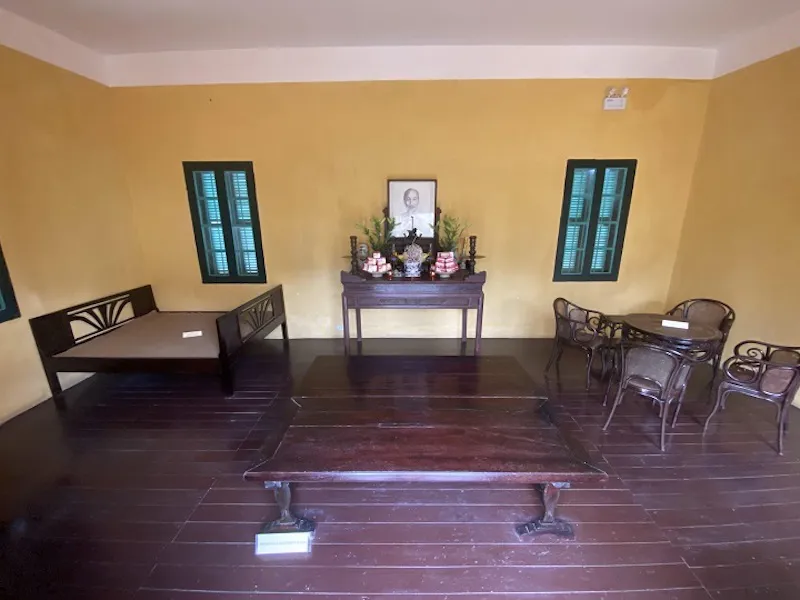
The house at No. 48 Hang Ngang street is where Uncle Ho wrote the Declaration of Independence in 1945. He lived and worked in the days prior to the proclamation of national independence, from August 25 to early September 1945.
In a room on the second floor, President Ho Chi Minh wrote the Declaration of Independence which was read at Ba Dinh Square in Hanoi on September 2, 1945, giving birth to the Democratic Republic of Vietnam.
No. 48 Hang Ngang House was recognized by the Ministry of Culture and Information as a historical and cultural site.
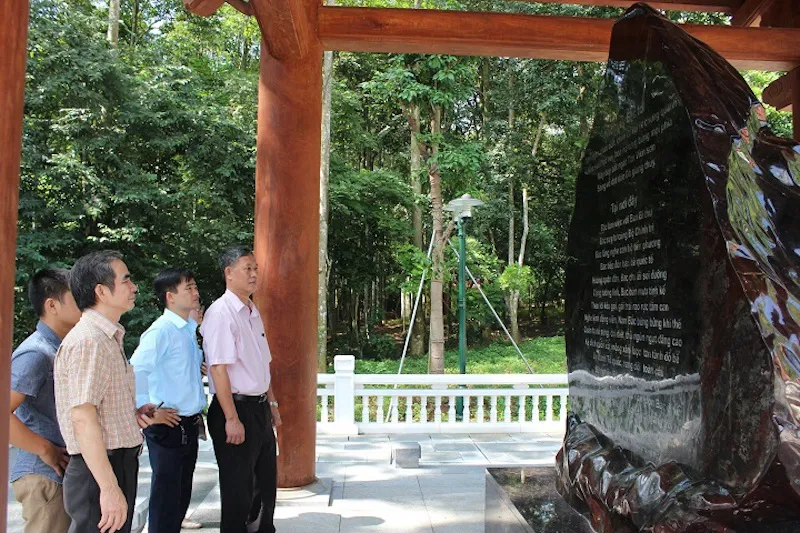
K9 – Da Chong relic site in Ba Vi mountain on the outskirts of Hanoi – a government shelter during the anti-American war of President Ho Chi Minh and other leaders of the Communist Party and the State.
K9 is located about 70km to the West of Hanoi downtown in the Ba Vi mountain range. It has become a place for pilgrimage of Vietnamese people.
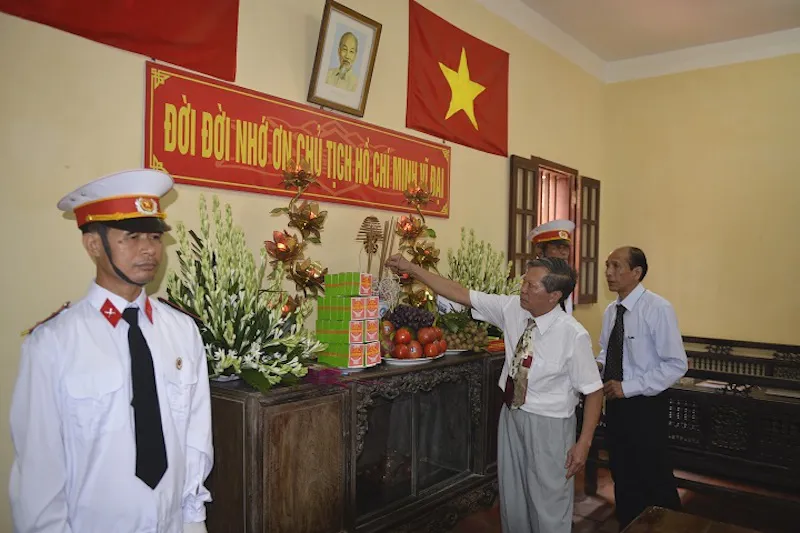
Uncle Ho’s memorial house in Van Phuc village is where President Ho Chi Minh wrote the “The Call for National Resistance”, mobilizing the entire nation for the resistance war against France, while taking refuge here before moving on to the anti-French resistance base in the mountain.
In late 1946, in the days of urgent preparation for the resistance war against the French colonialists, President Ho Chi Minh took refuge at the house of Nguyen Van Duong in the village, from December 3 to 19, 1946.
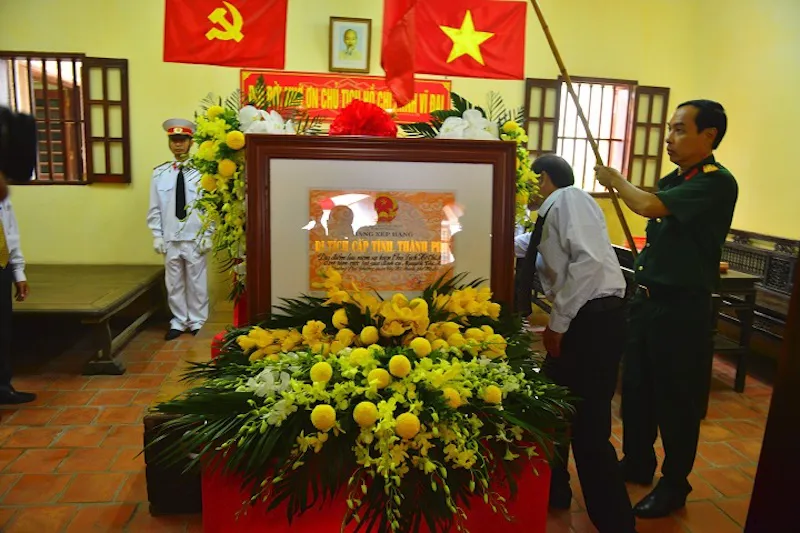
The house of Nguyen Thi An's family in Phu Thuong ward, Tay Ho district which housed President Ho Chi Minh when he returned to Hanoi on August 23, 1945 from a revolutionary base in the Northwest, before reading the Declaration of Independence.
On August 23, 2019, Phu Thuong ward’s authorities held a ceremony to welcome the city-level recognition of the house as a historical relic.
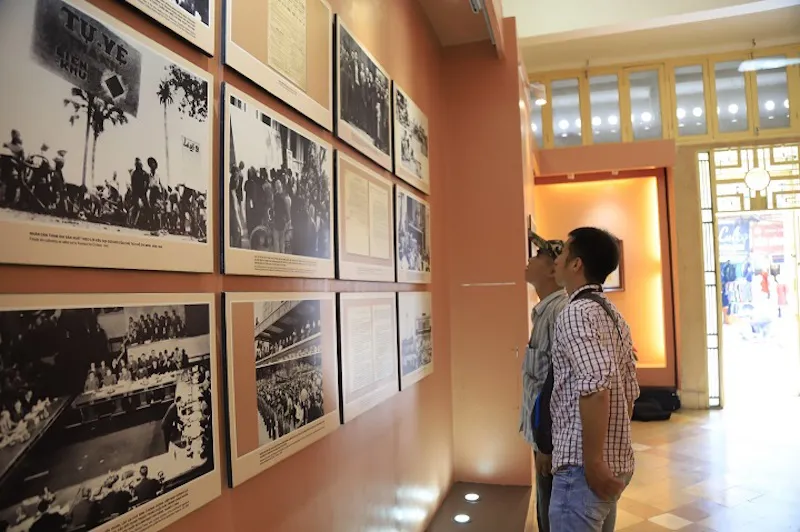
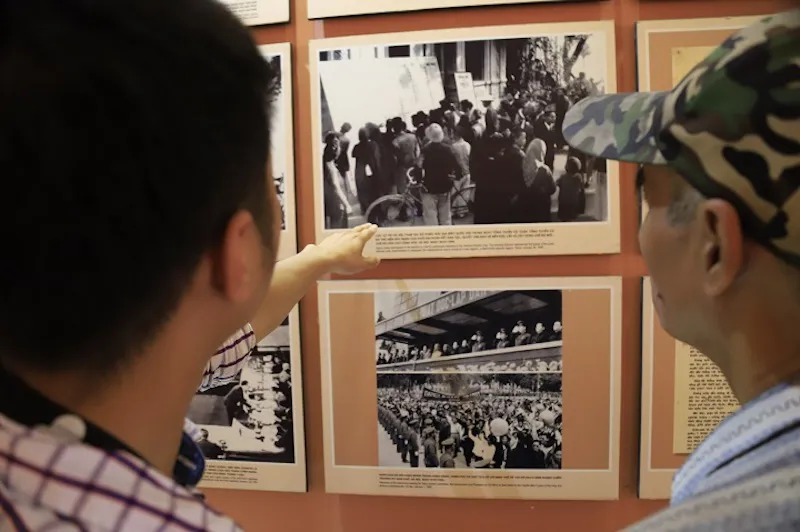
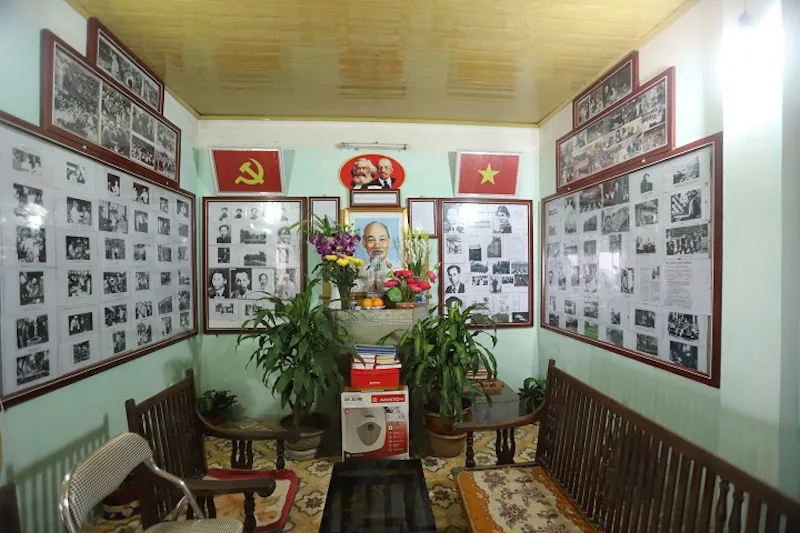
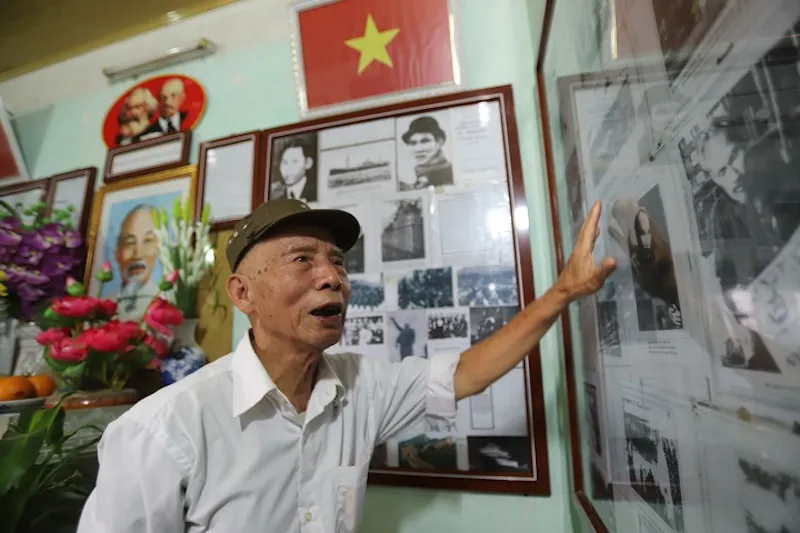
Uncle Ho’s memorial room of Nguyen Van Cao in Dai Yen commune, Chuong My district. Nguyen Van Cao, an 83-year-old farmer, spent 10 years on collecting more than 300 photos of Uncle Ho’s revolutionary life and career. 
Cao is also the author of the 1,456-sentence poem about President Ho Chi Minh’s life and career.
Photos: Lai Tan - Duy Khanh (Kinh te & Do thi)

Reactions:
Share:
Trending
Most Viewed
Related news
Hanoi gears up for a vibrant 2026 Countdown

Hanoi gears up for a vibrant 2026 Countdown

With the energy of thousands gathering in Hanoi downtown, the Countdown 2026 promises to be an unforgettable way for people to welcome the New Year.

Hanoi launches AI-powered traffic control center for traffic violations

Hanoi launches AI-powered traffic control center for traffic violations

The system automatically detects common violations, significantly reducing the need for traffic police to be deployed directly on the streets while improving accuracy and transparency in traffic management.

Hanoi plans 10,000-hectare urban megacity with world-class stadium

Hanoi plans 10,000-hectare urban megacity with world-class stadium

The stadium’s design draws inspiration from Dong Son bronze drums and the Lac bird motif, symbolizing Vietnam’s aspiration to rise.

Hanoi greenlights Olympic sports city and Red River boulevard to drive next growth phase

Hanoi greenlights Olympic sports city and Red River boulevard to drive next growth phase

The approval of two landmark projects underscores Hanoi’s push to unlock new growth engines, reshape its urban structure and accelerate its ambition to become a green, smart and globally connected capital.

Hanoi targets 1,200 supporting industry firms by 2030

Hanoi targets 1,200 supporting industry firms by 2030

The city aims to enhance the competitiveness of the capital’s industrial sector by tightening cooperation with Vietnamese enterprises and multinational corporations operating in Vietnam.

Red River Boulevards shape Hanoi’s new growth axis

Red River Boulevards shape Hanoi’s new growth axis

The creation of a landscape boulevard can help Hanoi reconnect with its historic identity shaped by water and restore the river-based character that defined the city for centuries.

Hanoi moves to strengthen urban order and civility

Hanoi moves to strengthen urban order and civility

These include expanding public communication efforts, reorganizing and upgrading streets and sidewalks, maintaining a clean and orderly urban environment and carrying out strict inspections to address violations.

Hanoi honors 87 entities and buildings for using green energy

Hanoi honors 87 entities and buildings for using green energy

Enterprises adopted highly automated technologies in line with Industry 4.0 standards and all businesses in industrial parks, clusters, rural industries and craft villages will keep applying energy-efficient measures.