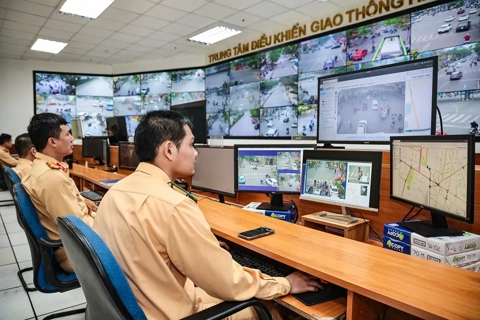
Hanoi's traffic police turn to AI for smarter enforcement
As Vietnam embraces digital transformation, AI cameras are proving to be indispensable allies for traffic police, streamlining enforcement and promoting road safety.
THE HANOI TIMES — Transport expert Vu Hoang Chung shared his view with The Hanoi Times on how AI-powered cameras are improving police efficiency and helping to foster a more public-friendly image.
How do you evaluate Hanoi Traffic Police's pilot program to apply AI cameras in monitoring and penalizing traffic violations?
The integration of modern information technology, particularly AI cameras, into transportation and various aspects of social life is an inevitable global trend. Digital transformation, the creation of a digital society, and digital citizenship are the right directions that yield comprehensive benefits. Therefore, deploying AI cameras for monitoring and penalizing traffic violations becomes necessary.
Moreover, AI cameras help penalize violations and regulate traffic, assist in resolving accidents, and maintain security and order. If data integration is robust and fully utilized, these systems can deliver even greater societal benefits.
Some opinions suggest that with AI camera systems, the role of traffic police will diminish, or they may no longer need to patrol the streets. Do you agree with it?
I don’t think so. AI cameras, at their core, are tools to support traffic police, not replace them. Operating these systems for law enforcement still requires the indispensable role of officers. Although cameras can collect data, AI can propose optimal solutions for handling situations, the final decisions rest with humans. Traffic police must remain present daily to maintain order and ensure road safety.
However, certain aspects of traffic violation enforcement have long faced criticism for lacking transparency, particularly in on-the-spot penalties. This is precisely why automated AI camera systems are needed to record violations, issue citations, and send notifications to citizens, minimizing direct interactions between officers and the public. This enhances transparency and fairness in enforcement.

Transportation expert Vu Hoang Chung. Photo: Pham Hung/The Hanoi Times
As you can see, far from diminishing the role of traffic police, AI cameras elevate their effectiveness. In traffic management, for example, camera data enables early detection of congestion from afar, allowing officers to devise solutions to divert traffic and alleviate bottlenecks remotely.
When violations occur, citizens will receive automated penalty notices, eliminating opportunities for pleading or seeking favors. This is crucial, as it fosters greater public compliance with traffic laws, reducing tendencies to evade or manipulate regulations.
So how do you explain the view that traffic police may no longer need to patrol or stop violators on the road, especially given the high rate of violations today?
If AI cameras could indeed allow traffic police to stop patrolling for violations, that would be ideal. Some violators, fearing penalties, may attempt to bribe officers or flee when spotted. Eliminating direct enforcement could gradually reduce such risks, while still ensuring fair and transparent penalties, an excellent outcome.
However, I think the notion that traffic police would never need to patrol again is misguided. Even in the most advanced countries, police continue to patrol and address violations on the spot. Certain offenses, such as speeding or drunk driving, require immediate intervention to prevent accidents.
Without on-site checks, how could officers detect alcohol-related violations? Thus, traffic police will still need to patrol and enforce laws directly, though AI cameras will significantly reduce the need for direct penalties.
In reality, the traffic police force lacks the manpower to address every violation manually. Automated systems like AI cameras ensure comprehensive enforcement, particularly for violations by businesses or individuals operating transport vehicles.
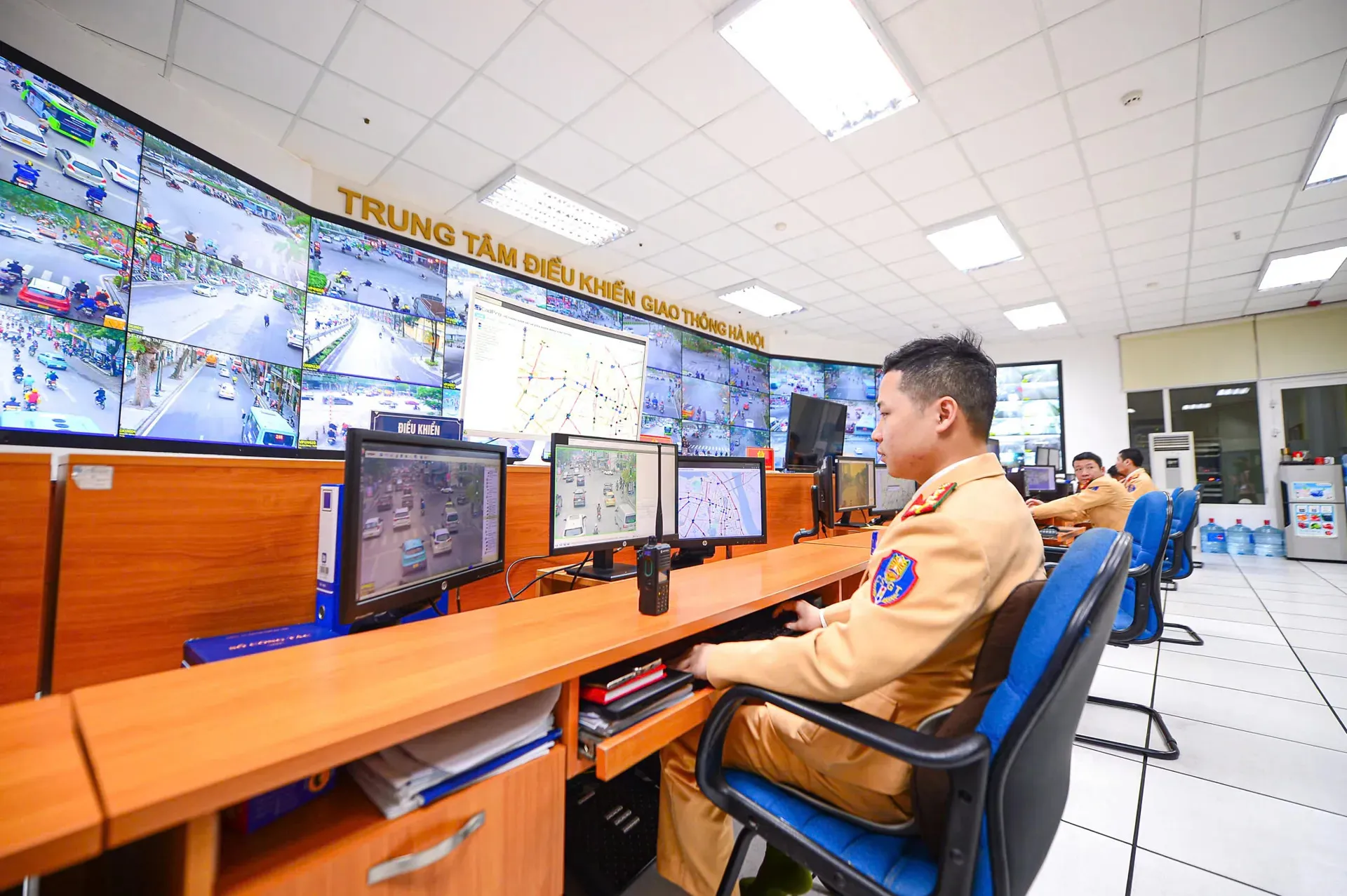
AI cameras help regulate traffic and maintain security and order. Photo: Ngoc Anh/Kinh Te & Do Thi Newspaper
With advanced tools like electronic scales and AI cameras, issues such as overloading, oversized vehicles, or illegal stopping to pick up passengers or goods can be decisively addressed. As far as I am concerned, traffic police may not need to intervene directly for these violations, as AI cameras can handle enforcement effectively.
Can you point out some necessary conditions to build and operate an effective AI camera system for traffic monitoring and enforcement?
First, a robust, well-funded, and synchronized AI camera system is essential, with seamless data integration across all sectors. These systems are not short-term investments for 5–10 years but must serve long-term needs, requiring significant attention. Many global cities now lease IT infrastructure from specialized companies, with governments renting services, businesses investing in and upgrading systems, and citizens reaping the benefits. This model could be considered.
Second, a highly skilled workforce is critical. Traffic police, traditionally trained for real-world operations, must now adapt to increasingly digitized tools and tasks. They need training to become “digital officers.”
Additionally, the development of a national citizen database and transportation infrastructure must be the priority. Data is the foundation for effective digital tools. Without a robust citizen database for tracking, AI cameras are merely ordinary cameras, incapable of addressing complex traffic issues.
Do you believe implementing AI cameras for traffic monitoring and enforcement in Hanoi will be effective?
For a major city like Hanoi, the need for tools like AI cameras in transportation is urgent. Hanoi faces complex challenges with traffic congestion and violations. AI cameras can mitigate these issues, playing a vital role in fostering a culture of traffic compliance among residents.
Moreover, fair and transparent automated enforcement enhances the approachable and friendly image of the traffic police. This is particularly significant for a city of nearly 10 million people and 8 million vehicles, serving as the nation’s political, economic, and cultural hub. Hanoi must lead the way in such critical digital transformation efforts.
Thank you very much for your time!