Hanoi seeks Chinese experience in tackling environmental pollution
Hanoi is prioritizing the application of artificial intelligence, the advancement of smart urban governance and the gradual modernization and standardization of infrastructure management systems.
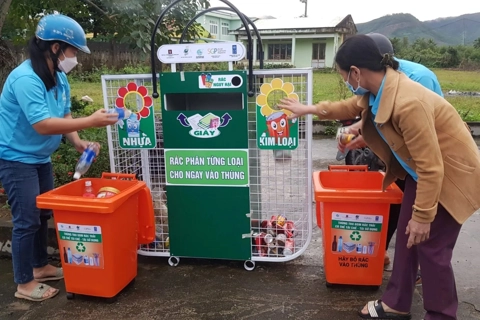
THE HANOI TIMES — Hanoi has identified several promising areas for cooperation with Chinese companies, including environmental pollution control and waste treatment, as well as science and technology, particularly digitalization, big data and artificial intelligence.
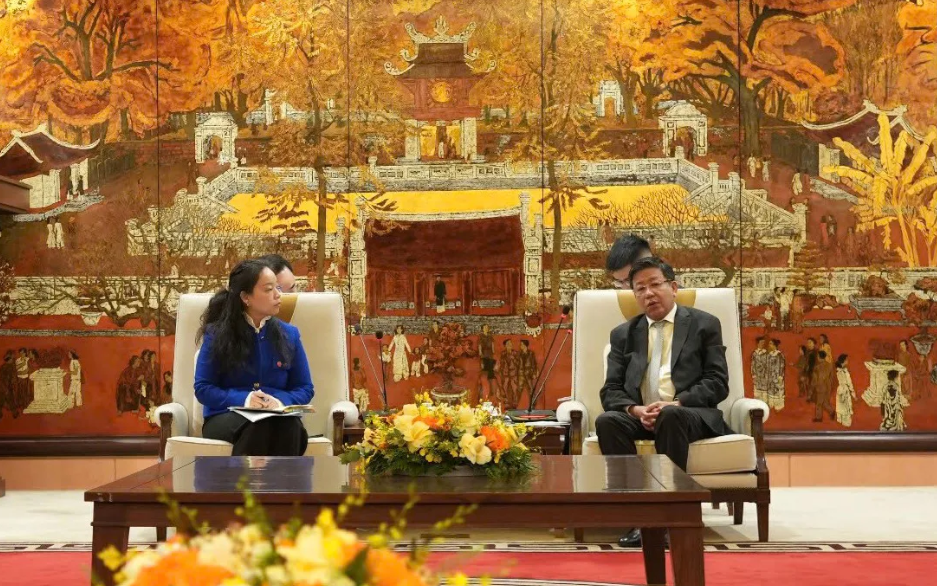
Overview of the meeting. Photo: The Hanoi Times
Vice Chairman of the Hanoi People’s Committee Duong Duc Tuan shared the view during a meeting with CEO of PCI Corporation Chen Qiao on January 8.
He said the city aims to take a pioneering and leading role, build a solid foundation and pursue breakthrough growth while implementing key resolutions toward sustainable economic growth models.
Therefore, Hanoi is prioritizing the application of artificial intelligence, the advancement of smart urban governance and the gradual modernization and standardization of infrastructure management systems. This transition will require substantial resources and strong cooperation with development partners, including those from China.
Drawing on cooperation experience with Chinese localities, including Beijing and Guangzhou, Tuan said there is significant potential for collaboration in areas such as environmental pollution control, waste treatment and science and technology, particularly digitalisation, big data and artificial intelligence.
Both sides agreed that, on the basis of the strong traditional friendship between Vietnam and China and between Hanoi and Chinese localities and partners, bilateral cooperation has firm foundations to develop more substantively and effectively in the coming period.
For her part, Chen Qiao praised Vietnam’s development achievements in recent years, particularly those of Hanoi.
Introducing PCI Group, Chen said the company has a 34-year history, having been founded in 1992, with strengths in smart cities, smart railways and intelligent transport systems.
Regarding China’s urban rail systems, she noted that PCI is present in 46 of the country’s 53 cities with rail networks. The company has participated in the construction of 16 lines and has over 15 years of operational experience, including projects in major cities such as Shanghai.
Beyond construction, PCI also provides railway services, infrastructure and management systems. She expressed the company’s desire to bring modern digitalised operation and management solutions to rail projects in Vietnam, including those in Hanoi.
Welcoming the views shared by the Standing Vice Chairman and Hanoi’s development vision, Chen said she is confident that PCI and the city have many opportunities for future cooperation, especially as Vietnam is seen as a strategic gateway for PCI’s regional expansion.
The PCI representative expressed her hope to soon engage in cooperation with Vietnamese partners and committed to strong efforts in technology transfer and human resource training.
Responding to the presentation, Tuan underscored the importance of urban rail infrastructure in the broader urban transport system. He said Chinese firms, having moved ahead in this field, possess valuable experience that could offer Hanoi practical solutions.
He added that once PCI and other international partners successfully implement projects in Hanoi, the impact could extend beyond Vietnam to the wider region.
He also stressed that proposed solutions must be comprehensive, ensure safety and security and integrate smoothly with the capital’s overall transport infrastructure network.