Hanoi should prioritize climate resilience in urban development: Experts
Effective planning and construction management are vital to minimizing the impact of natural disasters and reducing disaster risks.
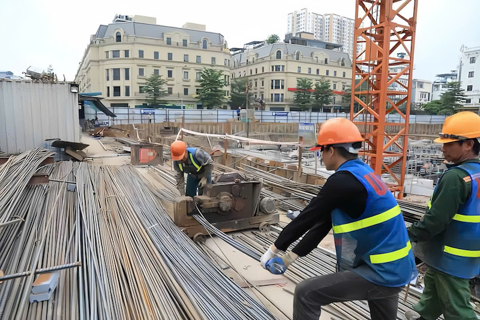
Hanoi should prioritize the climate resilience factor in its construction planning for 2021-2030, with a vision to 2050, according to Dao Ngoc Nghiem, vice chairman of the Vietnam Association for Urban Planning and Development.
Climate change becomes an urgent matter
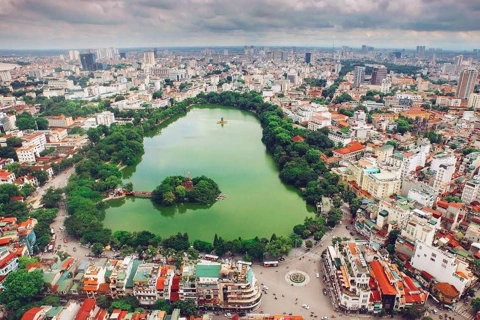
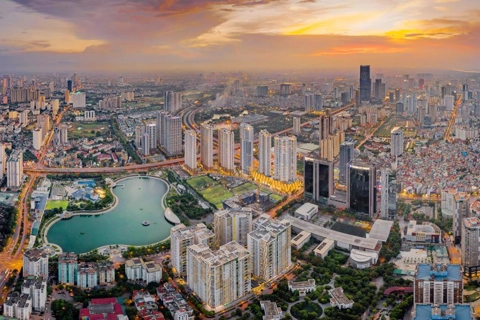
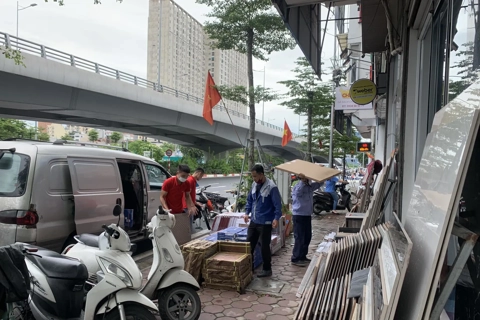
| A corner of Hanoi. Photo: Thanh Hai/The Hanoi Times |
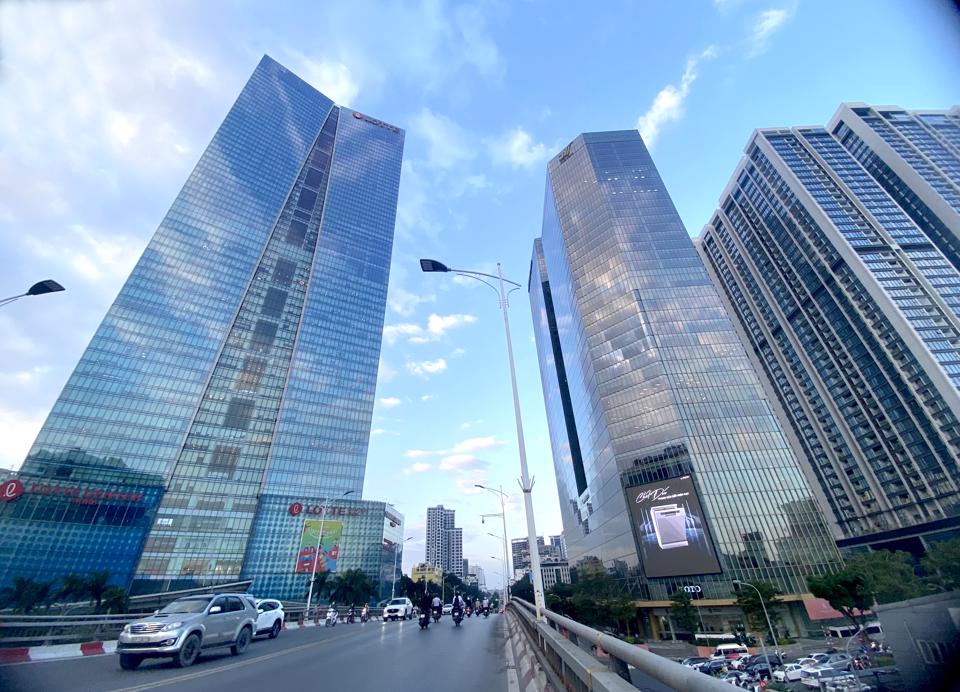
Hanoi's residents have become familiar with climate change in recent years, as unusual weather patterns have greatly affected the city's environment and daily life. Even a little rain can cause flooding on many streets, while prolonged heat waves can seriously harm the elderly and children in hospitals.
According to the National Center for Hydro-meteorological Forecasting, a transition from La Nina (the cool phase) to El Nino (the warm phase) is expected in 2023. It means that the heat will become more intense and prolonged and the drought more severe, causing unusual weather patterns in Hanoi. In addition, the consequences of climate change in the city are exacerbated by the shortcomings and inadequacies of the rapid urbanization process.
Statistics show that Hanoi's population has exceeded 8.2 million people, and the city is home to 17 industrial parks, over 1,350 handicraft villages, and more than 7.7 million motorcycles and cars. Every day, the capital consumes tens of millions of kWh of electricity and millions of liters of gasoline, contributing to greenhouse gas emissions and exacerbating climate change.
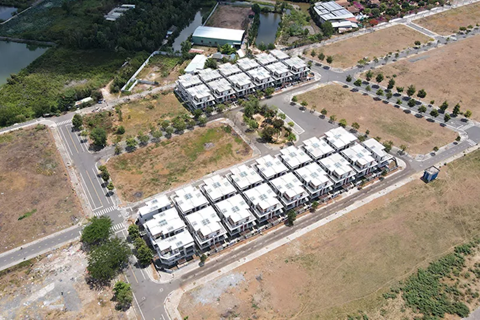
However, current urban planning, construction, and development in Hanoi need more integration, assessment, and analysis of climate change impacts. Despite potential risks, urban expansion is still taking place in areas prone to natural disasters, and infrastructure development has yet to keep up with the pace of growth.
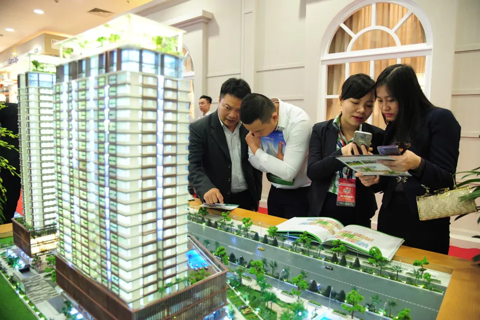
New construction plans focus mainly on technology and spatial organization, with insufficient attention paid to environmental protection and urban economic efficiency, which are critical for developing practical solutions to climate change.
There are also various shortcomings in implementing urban development plans, as the infrastructure system needs more flood drainage and storage space and to be better connected and adaptable to climate change. In addition, Hanoi's green area is small, only over 70,000 hectares, or about 1.2% of the total urban construction area.
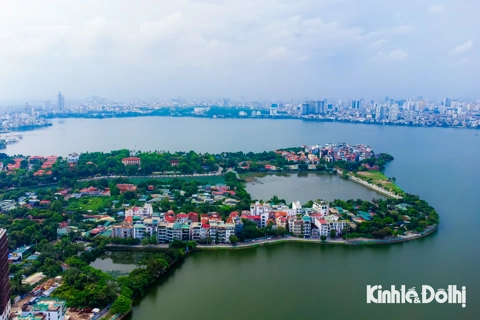
According to a report on green growth urbanization by the Hanoi Department of Construction, the urban natural water surface area in Hanoi decreased by 203.63 ha during 2015-2020. Many ponds and lakes were filled in for urban development, while people encroached on the water surface area for commercial purposes. In addition, the agricultural land area has shrunk due to rapid urbanization, and there needs to be more progress in relocating polluting facilities from the city center to increase the proportion of green spaces.
Experts have suggested that Hanoi must address existing issues related to developing technical infrastructure to adapt to climate change, with solutions enhancing resilience, adaptation, and mitigation of climate change impacts on the city's infrastructure system.
Nguyen Huy Dung, a senior expert on disaster risk management at the World Bank, noted that technical infrastructure development should keep up with actual needs and be aligned with urban and rural development plans while ensuring flexibility and responsiveness to changing circumstances.
"This will enable the city to effectively cope with natural disasters and establish a state of preparedness to live with the consequences of such events," Dung said.
Meanwhile, Dung expressed concern that the expansion of low-density urban areas and rural industrialization is leading to the displacement of natural areas and agricultural land.
"This trend puts considerable pressure on the ecosystem and exposes many people and properties to the risk of natural disasters," Dung said.
In light of this, it is crucial to conduct a comprehensive analysis of potential disaster risks and their impacts and integrate these considerations into all stages of land use planning and adjustment, Dung suggested.
Dao Ngoc Nghiem, Vice Chairman of the Vietnam Association for Urban Planning and Development, urged the city to effectively manage planning and construction to minimize the impact of natural disasters and reduce disaster risks.
He said this includes setting drainage standards for flood prevention and control, considering the impact of climate change, and proactively zoning drainage.
"We should prioritize saving space for flood drainage, building reservoirs for temporary water storage during heavy rains, and improving the drainage system's capacity," Nghiem said.
He said the city should also focus on preventing and treating structures, houses, and garbage dumps from encroaching on drainage and water storage areas and conduct regular dredging of drainage and sewerage systems.
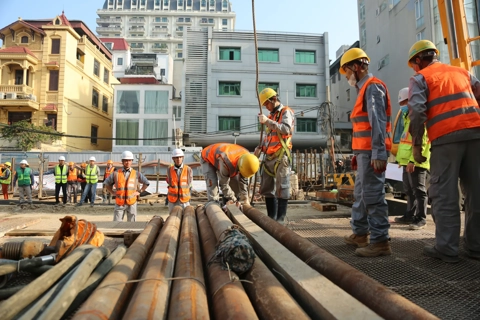
Another important aspect Nghiem mentioned is that the city needs to prioritize constructing and upgrading disaster prevention infrastructure, such as sewerage systems, pumping stations, regulating reservoirs, drainage axes, and water channels, by planning.
"Establishing a natural disaster safety monitoring and control system is also important," Nghiem said, stressing the importance of applying science, technology, and digital transformation in urban management, including disaster response.
"The issue of natural disaster prevention and control should also be integrated into the construction of urban areas and industrial zones to ensure sustainable development," Nghiem said.