Hanoi strengthens communication to promote Vietnamese goods in domestic market
Hanoi authorities are intensifying communication and outreach for the “Vietnamese people prioritize using Vietnamese goods” campaign, aiming to strengthen domestic production, boost consumer confidence and ensure Vietnamese products maintain a leading presence in the capital’s retail market.
THE HANOI TIMES — Hanoi authorities will intensify communication for the “Vietnamese people prioritize using Vietnamese goods” campaign in Q1/2026, aiming to strengthen domestic consumption and public confidence in local products.
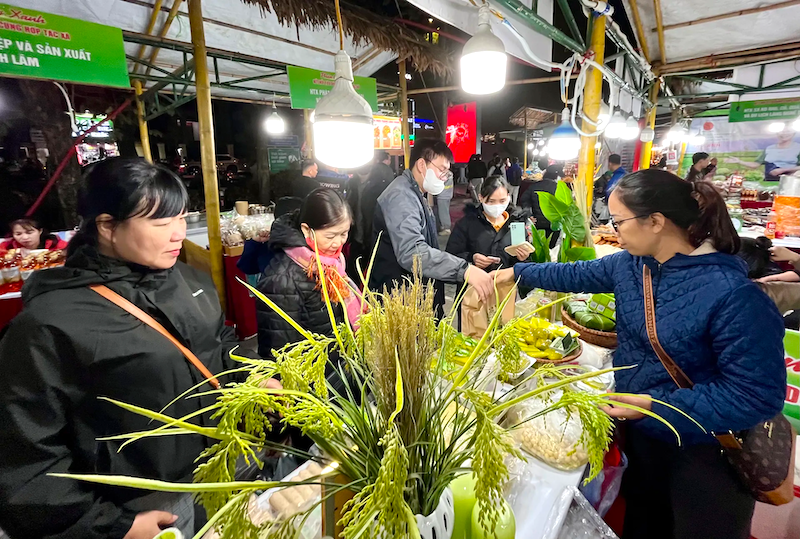
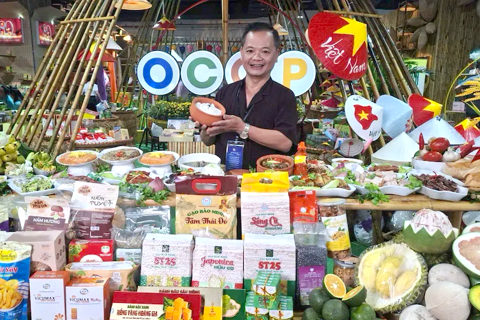
Local consumers visit a booth displaying regional specialties and One Commune One Product (OCOP) items at the Green Market held last December. Photo: Kinh te & Do thi Newspaper
The move follows a request issued on January 10 by the Hanoi Party Committee’s Commission for Publicity, Education and Mass Mobilization.
Since July 1, 2025, Hanoi has operated under a two-tier local government model, a shift that places higher demands on leadership, coordination and execution of the campaign.
Under the request, the Hanoi Department of Culture and Sports and local Party organizations will coordinate closely to ensure effective rollout during the first quarter.
Authorities are urged to adopt flexible and proactive communication methods to maintain continuity, consistency and impact during the transition.
Key messages will focus on central and government directives tied to the campaign, Hanoi’s implementation plans and outcomes of programs such as Made-in-Vietnam Goods Loved by Consumers.
These efforts will align with the city’s broader socio-economic goals, national defense and security tasks and the implementation of the new local governance model.
Communication will reach the public through mass media, visual materials, digital platforms and social networks.
By diversifying outreach and applying information technology, the campaign has strengthened awareness and accountability among officials, Party members, mass organizations and the public in choosing Vietnamese products and services.
Hanoi continues to roll out practical programs that bring Vietnamese goods closer to consumers while supporting trade development, price stabilization and consumer protection.
Key activities include Vietnam Consumer Rights Day events, the July Promotion Month fair, safe agricultural supply–demand connection programs, Vietnamese goods weeks, consumer-favorite product fairs, One Commune One Product (OCOP) showcases and the development of signature tourism products.
The city has also intensified regional linkages and supply–demand conferences with other provinces and cities to expand markets and secure stable outlets for domestic products.
Political and social organizations have increased outreach through worker markets, discounted sales booths, safe agricultural supply points and promotions of regional specialties, helping quality Vietnamese goods reach workers, laborers and residents in outlying areas.
At the same time, Hanoi is strengthening state management and business support by addressing enterprise bottlenecks, promoting key and supporting industries, developing craft villages, encouraging branding, backing startups and accelerating digital transformation.
Market surveillance has tightened to curb smuggling, trade fraud, counterfeit goods and food safety violations, while QR-code traceability and consumer hotlines continue to improve transparency and protect consumer rights.