Hanoi vows to speed up mega projects
Clearing a long-congested area has allowed the city to upgrade infrastructure, improve mobility and living conditions, enhance land value and support key urban projects.
THE HANOI TIMES — Hanoi is tightening its land clearance strategy for major infrastructure projects after the city’s leadership on December 11 issued new directives to protect residents’ interests while accelerating construction.
The guidance, delivered by Secretary of the Hanoi Party Committee Nguyen Duy Ngoc at a citywide hybrid conference, sets the tone for how the capital will handle site clearance for upcoming mega projects.
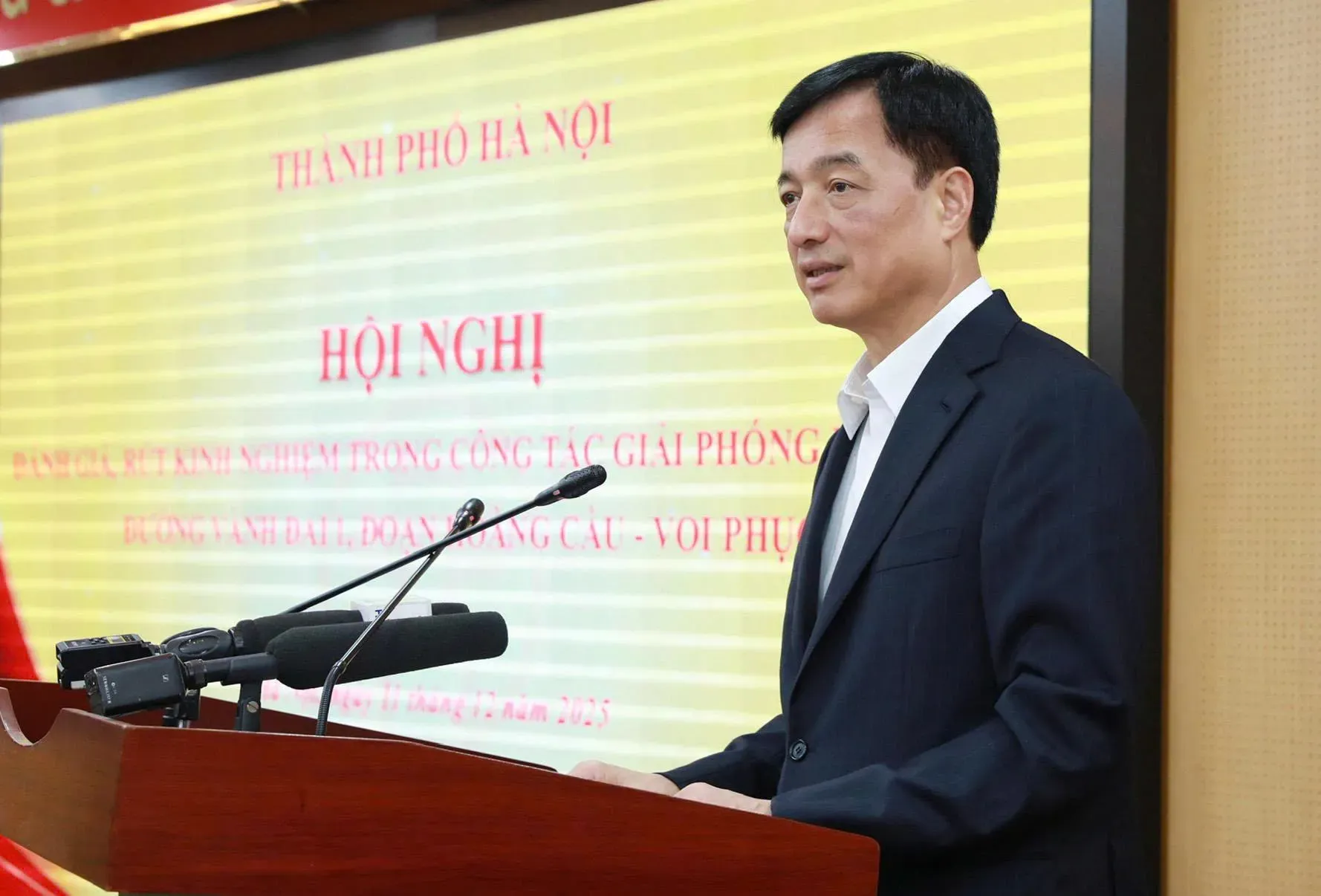
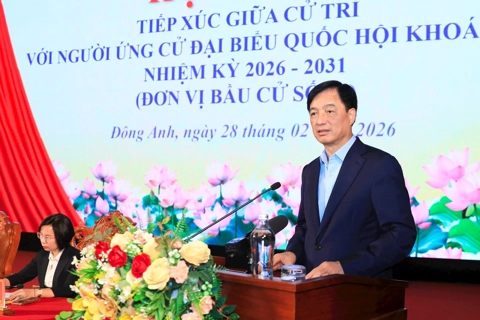
Secretary of the Hanoi Party Committee Nguyen Duy Ngoc addresses the conference on December 11. Photo: Thanh Hai/The Hanoi Times
“Good lessons in land clearance would minimize impacts on residents’ lives while ensuring the construction progress,” the municipal Party chief said at the hybrid meeting held at O Cho Dua Commune and connected to all 126 wards and communes citywide.
The conference focused on reviewing and drawing lessons from the land clearance work on Ring Road 1 (Hoang Cau – Voi Phuc section) for the implementation of key projects in Hanoi in the future, a sector that is crucial to the city’s economic growth.
The conference becomes essential at a time when the National Assembly on December 11 passed a resolution to pilot special policies and mechanisms to execute mega projects in Hanoi, giving the city a broader legal framework to drive a new phase of development.
Lessons for other projects
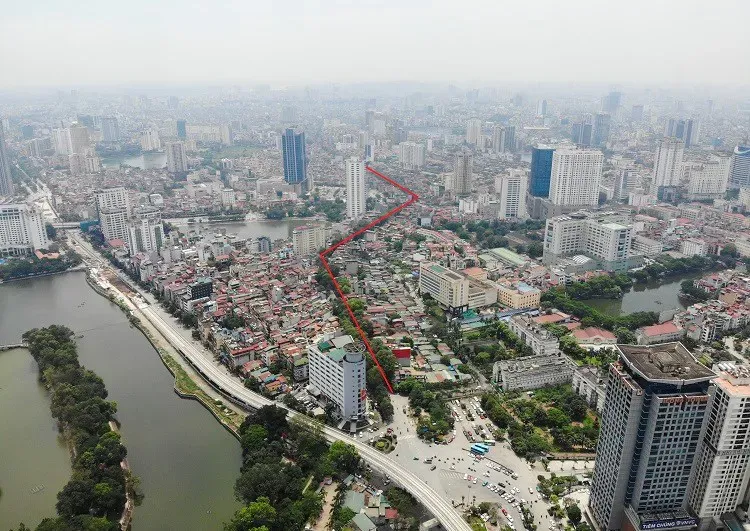
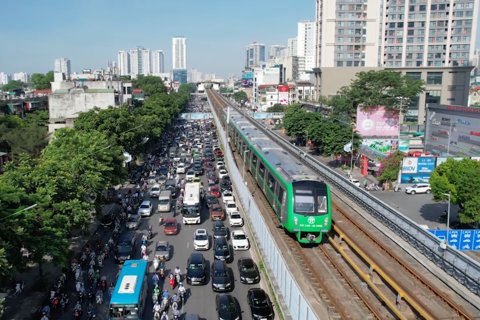
The Ring Road 1, O Cho Dua - Voi Phuc section in downtown Hanoi. Photo: Pham Cong/The Hanoi Times
The Hoang Cau - Voi Phuc section of Ring Road 1 in Hanoi, with 2.3km long and 50m wide, is a key route connecting O Cho Dua and Voi Phuc junctions.
Approved in 2017 with a total investment of VND 7.2 trillion (US$273,000), the project aims to reduce congestion in the city’s center and support socio-economic development.
The road project covers 153,341 sq.m, affecting nearly 2,000 households and organizations. Therefore, land clearance becomes the main bottleneck.
In just five months since the implementation of the two-tier local government model from July 1, 2025, the three wards of O Cho Dua, Giang Vo and Lang have compensated and resettled 1,295 households, compared with 686 households over the previous seven years.
The city aims to hand over all cleared land by December 15, 2025, with technical clearance set for January 15, 2026.
Once completed, the project will set a foundation for upgrading technical infrastructure, increasing land use value and urban space efficiency, as well as promoting the progress of other key projects in Hanoi.
With effective governance, the project becomes a role model for land clearance work in the city.
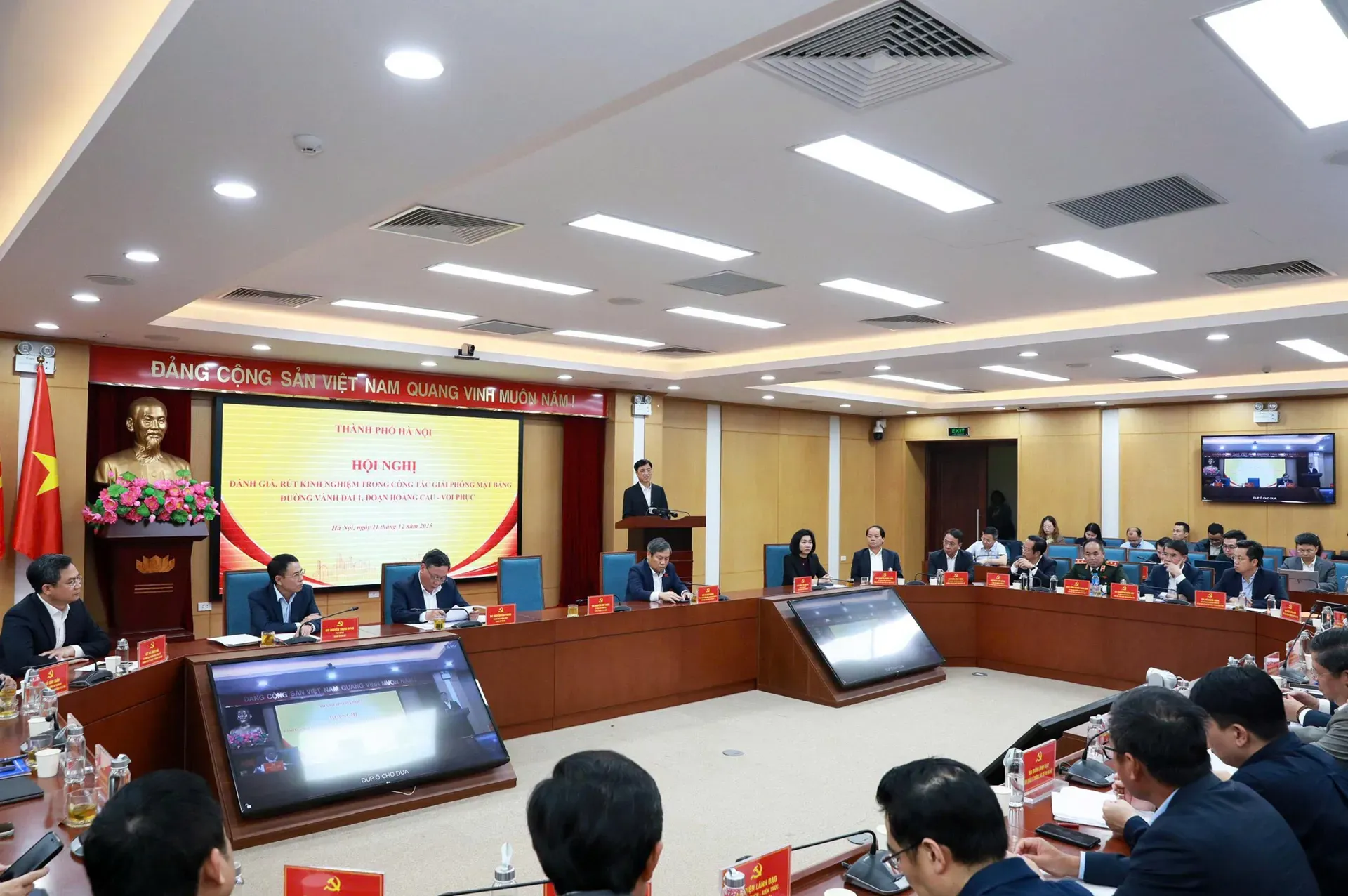
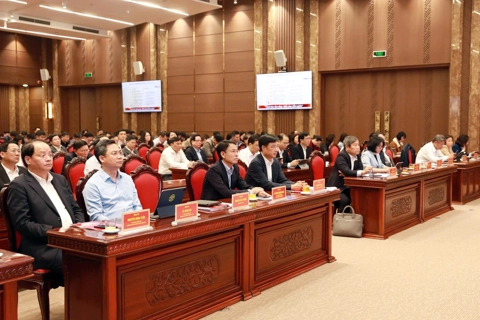
The city's Party chief chairs the meeting. Photo: Thanh Hai/The Hanoi Times
Addressing the event, Ngoc said that building the ring road system in the capital is urgent, serving both residents’ mobility and socio-economic development and stressing that land clearance is a key task that creates space and infrastructure for economic growth.
He reminded local leaders and civil servants to define their responsibilities and align them with implementation timelines.
“The experience from the Ring Road 1 project shows that we acted decisively, achieved a breakthrough, and gained consensus from residents,” said Ngoc.
In addition, the city has assigned specific tasks and responsibilities to leaders and agencies to ensure consistent coordination.
He directed localities along the project route to coordinate with the city’s Project Management Board to keep cleared areas ready for construction. Residents should be encouraged to improve streetscapes and maintain urban aesthetics.
The Project Management Board must plan construction as soon as possible, set up barriers as needed, and manage traffic to ensure smooth movement for residents.
The secretary urged that the approach and experience from this project be applied to other projects to ensure progress, minimize social impacts, and improve public investment efficiency.
He emphasized decentralization, which enables local authorities to decide, implement and take responsibility, aiming to better serve residents and businesses while driving local development.
Cleared land – foundation for projects
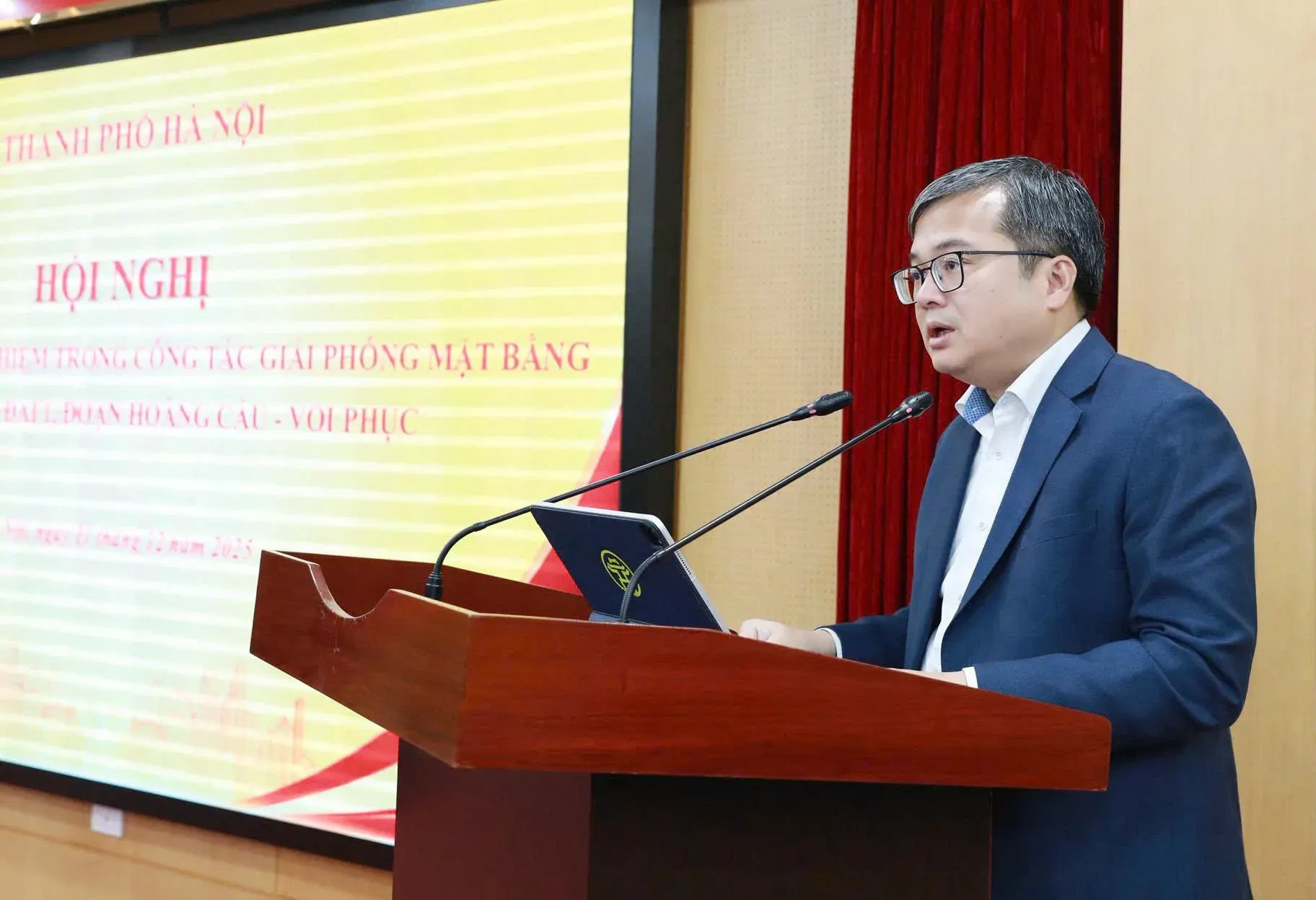
Vice Chairman of the Hanoi People’s Committee Truong Viet Dung speaks at the conference. Photo: Thanh Hai/The Hanoi Times
At the conference, Vice Chairman of the Hanoi People’s Committee Truong Viet Dung said land clearance on Ring Road 1 had been the biggest bottleneck, determining project progress.
With close direction from the Party Committee, a total of 153,341 sq.m has been cleared, along with the resettlement of affected residents, reflecting strong political determination, unified guidance, and the capacity of local authorities, and confirming the effectiveness of Hanoi’s decentralization strategy.
The vice chairman highlighted seven key lessons from the project, including that the responsibility of leadership determines progress and effectiveness, full engagement of the political system ensures both schedule and social stability, and timely resolution of policies drives immediate results.
Other important issues include decentralization with two-tier governance shortens procedures and increases ward-level accountability, and early preparation of housing and resettlement land ensures resident stability.
Meanwhile, continuous inspection and supervision ensure policies are properly implemented, and flexible, creative methods and the use of digital platforms to update progress and address petitions promptly bring practical results.
At the event with the attendance of Chairman of the Hanoi People’s Committee Vu Dai Thang, Permanent Deputy Secretary of the Hanoi Party Committee Nguyen Van Phong, Chairwoman of the Hanoi People’s Council Phung Thi Hong Ha, Deputy Secretary Nguyen Trong Dong, Secretary Nguyen Duy Ngoc praised officials, civil servants and residents of the three wards for consensus in completing land clearance.
He asked local leaders to learn from practical experience to understand responsibilities and authority for each project.
Director of the Project Management Board Tran Dinh Cuong pledged to open technical routes by January 15, 2026, under the secretary’s direction.
Hanoi People’s Committee will continue to systematize special policies for effective land clearance and the prevention of new violations.
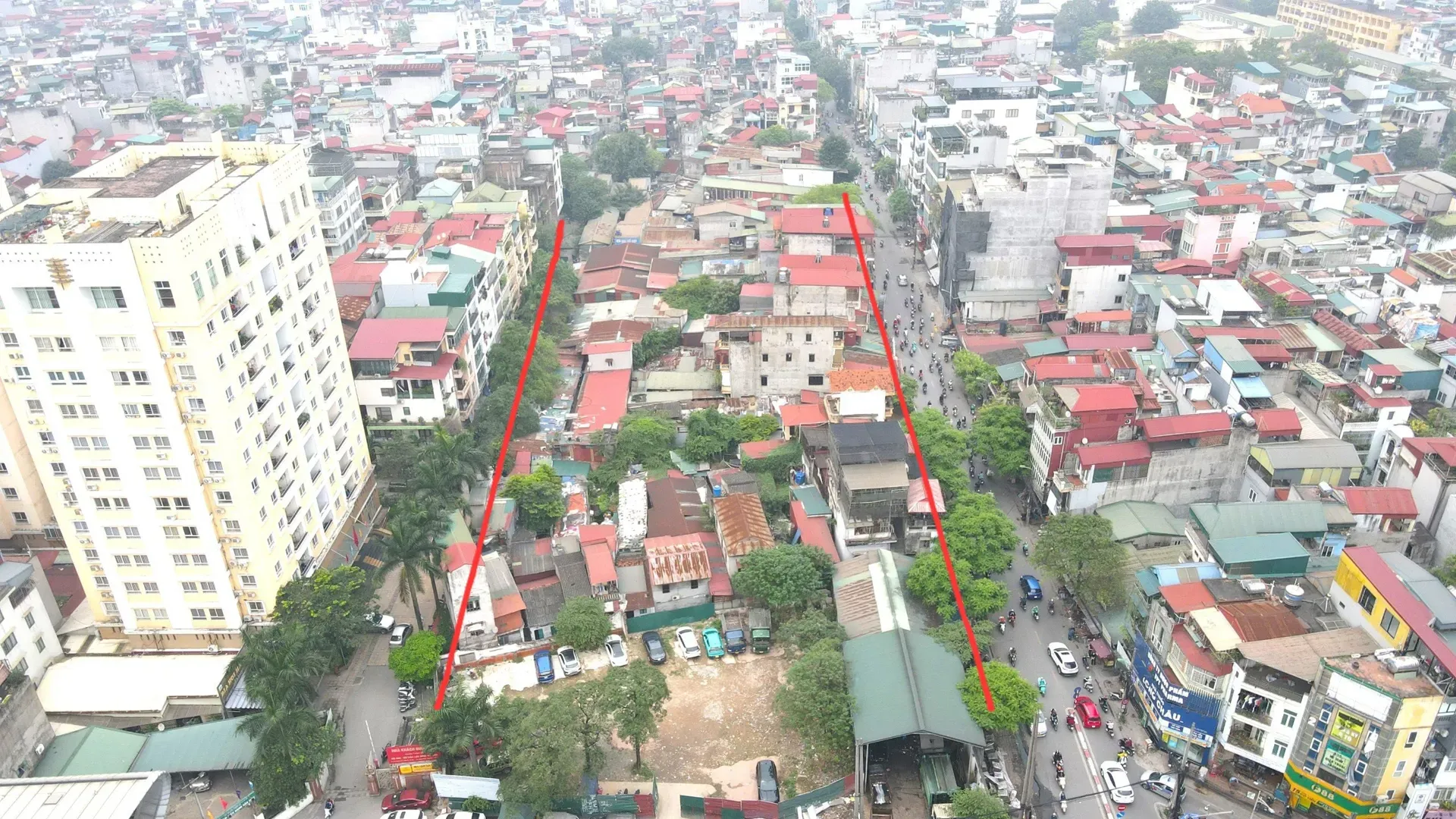
Part of the O Cho Dua - Voi Phuc section of the Ring Road 1. Photo: Pham Cong/The Hanoi Times
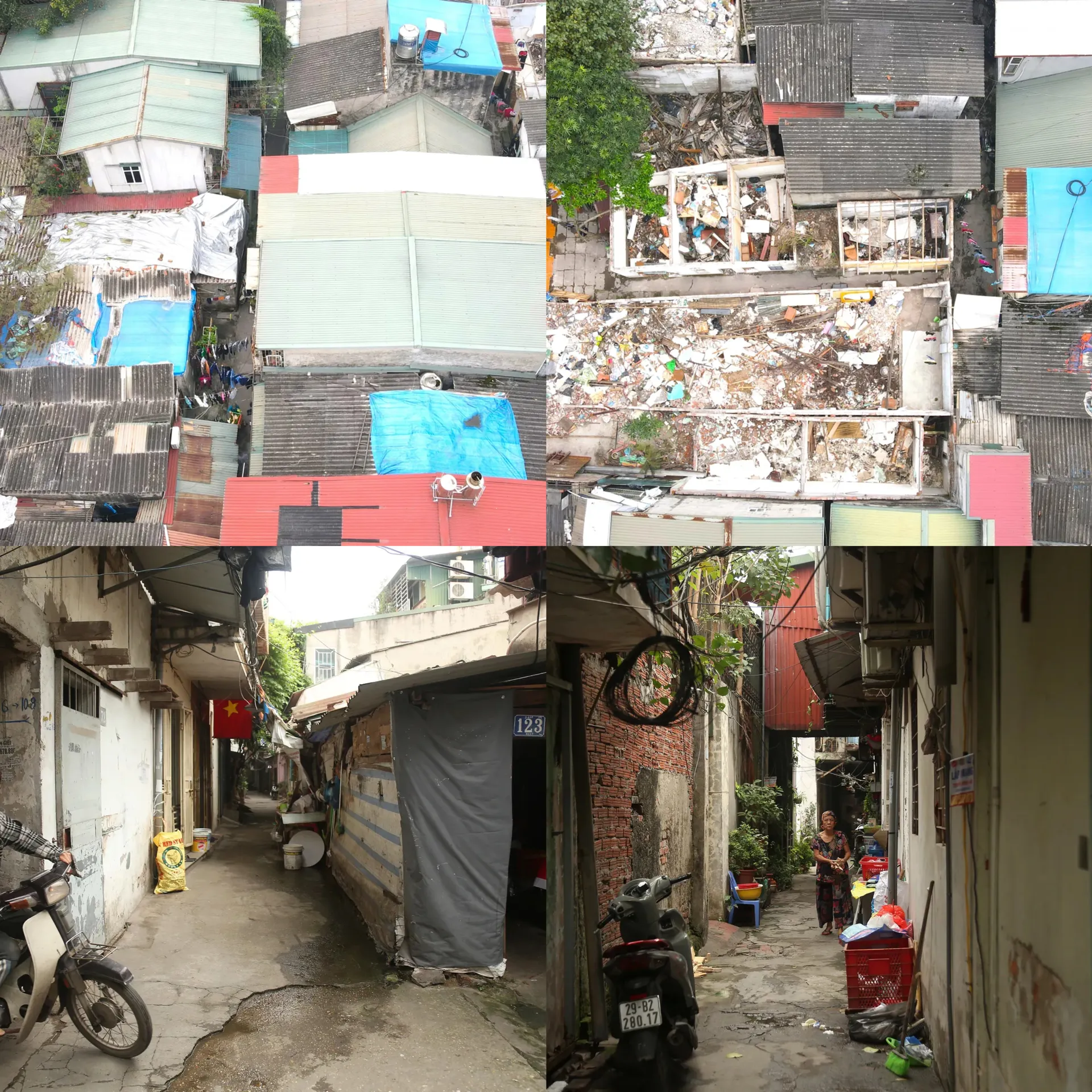
The land clearance at the project will help residents have better resettlement.