Log in
Hanoi

Vietnam speeds up high-speed railway projects

The two high-speed trains are expected to be put into operation by 2030.

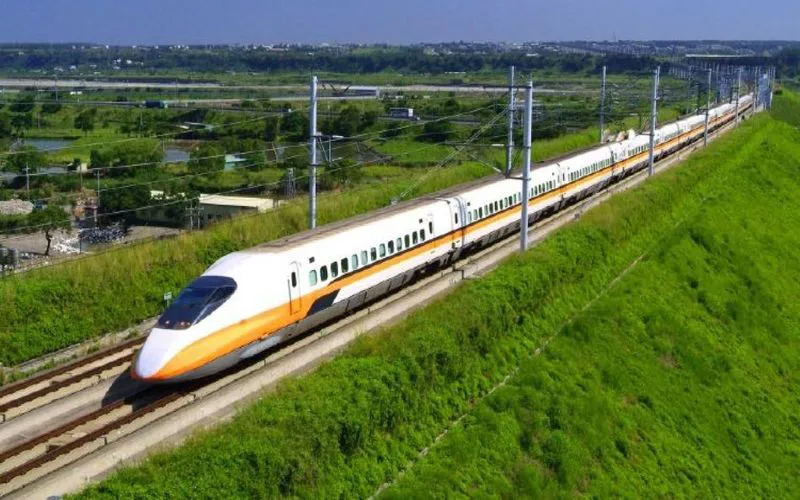
The Ministry of Transport will speed up the construction of two projects of high-speed trains linking Hanoi with the central province of Nghe An's Vinh city, and Ho Chi Minh City with the south-central province of Khanh Hoa's Nha Trang beach city.

The two high-speed trains are expected to be put into operation by 2030.

Totaling 651 kilometers long, the two high-speed railroad routes will cost some VND561.6 trillion (US$24.3 billion).

Once they are up and running, work will start on other routes to complete the North-South or trans-Vietnam high-speed railroad.

 A high-speed train model between Hanoi and Vinh city in the north-central Nghe An province. Source: MoT

The trans-Vietnam high-speed railroad is a key task in the draft railway plan for 2021-2030, with a vision to 2050 designed by the transport ministry.

Speaking at a recent meeting held in Hanoi, Minister of Transport Nguyen Van The said the railway industry set target to transport 16.50 million tons of cargo and 30.9 million passengers by 2030. The figure is expected to increase by 15% of cargo and 19% of passengers by 2050.

The transport minister also requested the plan consultants to complete the final report of the draft railway planning for the period of 2031- 2050.

The investment capital demand for the railway industry in this period would be more than VND1.5 trillion (US$65 million), in which some US$33 million will be invested in high-speed train and US$32 million for conventional rail services.

To occupy more marketshare of the transportation industry as designed, Dr. Dang Huy Dong, director of the Planning and Development Institute, said the ticket price of high-speed trains running at 350 kilometers per hour (kph) would be lower than airfares to be competitive.

“However, passenger trains running at speeds of 150 kph and 100 kph would bring optimum socio-economic benefits, and reduce subsidies,” Dong added.

Former deputy transport minister La Ngoc Khue rejected the proposal for 350 kph train saying that it would entail huge costs since Vietnam would need to import equipment and expertise.

He suggested building railway service with a top speed of 140 kph instead to ensure economic and technical feasibility.

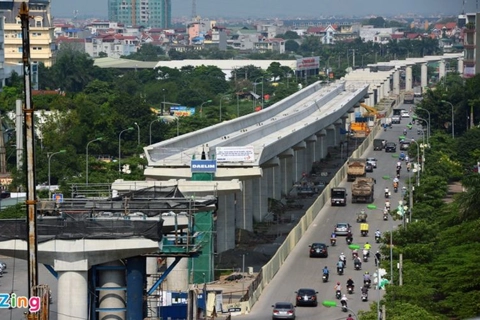
Vietnam has over 3,000km of track; none of it is high speed. In addition to high-speed railways, seven new railway lines will be built at this stage and the old lines will be improved, according to the plan.

Reactions:
Share:
Trending
Most Viewed
Related news
Hanoi gears up for a vibrant 2026 Countdown

Hanoi gears up for a vibrant 2026 Countdown

With the energy of thousands gathering in Hanoi downtown, the Countdown 2026 promises to be an unforgettable way for people to welcome the New Year.

Hanoi launches AI-powered traffic control center for traffic violations

Hanoi launches AI-powered traffic control center for traffic violations

The system automatically detects common violations, significantly reducing the need for traffic police to be deployed directly on the streets while improving accuracy and transparency in traffic management.

Hanoi plans 10,000-hectare urban megacity with world-class stadium

Hanoi plans 10,000-hectare urban megacity with world-class stadium

The stadium’s design draws inspiration from Dong Son bronze drums and the Lac bird motif, symbolizing Vietnam’s aspiration to rise.

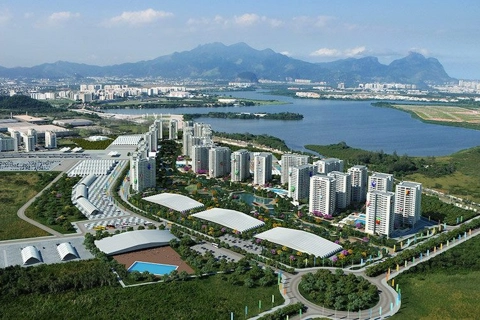
Hanoi greenlights Olympic sports city and Red River boulevard to drive next growth phase

Hanoi greenlights Olympic sports city and Red River boulevard to drive next growth phase

The approval of two landmark projects underscores Hanoi’s push to unlock new growth engines, reshape its urban structure and accelerate its ambition to become a green, smart and globally connected capital.

Hanoi targets 1,200 supporting industry firms by 2030

Hanoi targets 1,200 supporting industry firms by 2030

The city aims to enhance the competitiveness of the capital’s industrial sector by tightening cooperation with Vietnamese enterprises and multinational corporations operating in Vietnam.

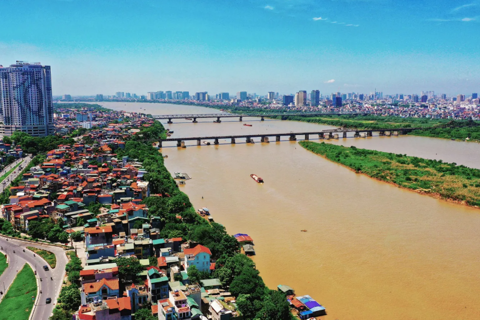
Red River Boulevards shape Hanoi’s new growth axis

Red River Boulevards shape Hanoi’s new growth axis

The creation of a landscape boulevard can help Hanoi reconnect with its historic identity shaped by water and restore the river-based character that defined the city for centuries.

Hanoi moves to strengthen urban order and civility

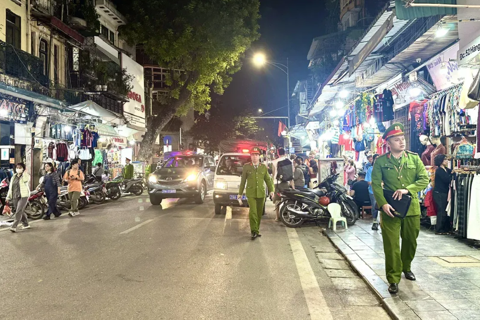
Hanoi moves to strengthen urban order and civility

These include expanding public communication efforts, reorganizing and upgrading streets and sidewalks, maintaining a clean and orderly urban environment and carrying out strict inspections to address violations.

Hanoi honors 87 entities and buildings for using green energy

Hanoi honors 87 entities and buildings for using green energy

Enterprises adopted highly automated technologies in line with Industry 4.0 standards and all businesses in industrial parks, clusters, rural industries and craft villages will keep applying energy-efficient measures.