Hospitality real estate attracts remittances: VARS
Remittance volumes will be a new source of demand driving the property market, according to VARS.
Overseas Vietnamese tend to buy high-value hospitality properties or villas for retirement or investment purposes, according to the latest report from the Vietnam Association of Realtors (VARS).
| Buyers researching an apartment project in Hanoi. Photo: Tuan Anh/ The Hanoi Times |

According to a recent market update by VARS, remittances are expected to boost Vietnam's real estate market due to relaxed regulations and significant investment demand.
According to VARS, the Land Law 2024, which will take effect on July 1, introduces a new provision to expand land rights for overseas Vietnamese. Under this provision, both Vietnamese citizens residing abroad and overseas Vietnamese individuals will be eligible to obtain land use rights certificates, allowing them to directly engage in transactions without the need for domestic relatives to conduct the deals on their behalf.
The association stressed that the number of Vietnamese living abroad continues to grow, becoming a new source of demand for the real estate market.
Citing data from the State Committee for Overseas Vietnamese, the VARS said there are currently about six million overseas Vietnamese living and working in more than 130 countries and territories, with 80% of them in developed countries. The number of overseas Vietnamese has increased by over 13% compared to 2020.
Remittances flowing into the country were estimated at around US$16 billion in 2023, a 32% increase compared to the previous year. Ho Chi Minh City received the highest number of remittances, with nearly US$9.5 billion, accounting for nearly 60% of the country's total.
According to the VARS, demand for property in Vietnam among overseas Vietnamese is increasing due to soaring housing prices in developed countries and tightening immigration rules in certain other nations. In fact, about 15-20% of remittances are directly invested in the property sector, according to the Central Economic Management Research Institute.
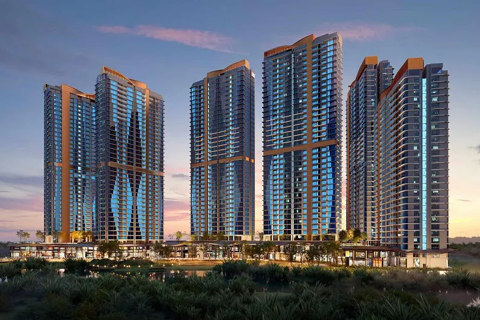
This capital tends to flow into illiquid, high-value segments, such as villas in major cities or properties in tourist and resort areas. These sought-after products are favored by overseas Vietnamese who can afford to buy them for vacation, rental, or retirement purposes. In addition, downtown and suburban apartments can also attract capital inflows due to their rental potential.
"The volume of remittances will be a new source of demand that will drive the real estate market, especially in the context of the capital shortage that many real estate businesses are facing," the VARS report said.
Troy Griffiths, Deputy Managing Director of Savills Vietnam, suggested that creating favorable conditions for overseas Vietnamese to invest and own property in Vietnam will create significant potential for the real estate market.
Savills has observed that a significant proportion of these are older individuals who have accumulated assets after years of working abroad and are interested in investing in Vietnam or retiring in the country. This represents a significant pool of potential investors for the Vietnamese real estate market.
To meet this demand, Troy Griffiths also suggested that real estate companies need to raise standards in terms of design, construction quality and amenities when developing properties. They should have a clear understanding of the profiles of their customers and work with reputable real estate agents and brokers within the overseas Vietnamese community, he said.
According to VARS, regulators should also provide various tax incentives, such as tax reductions or exemptions for overseas Vietnamese investing in real estate in Vietnam.
The information system and regulations should be transparent and easy to understand to ensure the rights of investors, including overseas Vietnamese. State management agencies should also study international experience in promoting remittances to set up a real estate remittance fund, the association stressed.
According to the Overseas Vietnamese Businessmen Association, more than 20% of all overseas Vietnamese and their descendants have expressed interest in buying property and living in Vietnam. In addition, data from the Ministry of Construction indicate that about four million foreigners and overseas Vietnamese have expressed interest in purchasing Vietnamese homes in the coming years. The ministry also predicts that increased foreign direct investment in Vietnam will make the housing market more attractive to potential foreign buyers. |