IFC index helps strengthen climate resilience in Vietnam
The program will soon select three pilot projects in the residential, office, retail, education, and hospitality sectors to assess and build resilience for subsequent large-scale implementation.
The International Finance Corporation (IFC), a member of the World Bank Group, today [April 20] launched the Building Resilience Index (BRI) to help local developers improve the climate resilience of buildings in Vietnam.
| IFC expert Ommid Saberi at the launching ceremony today. Photo: IFC |
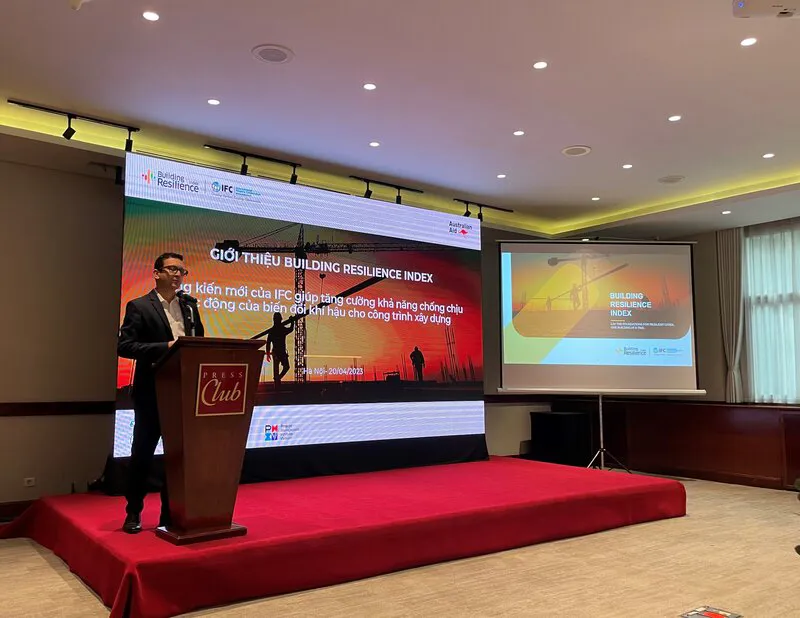
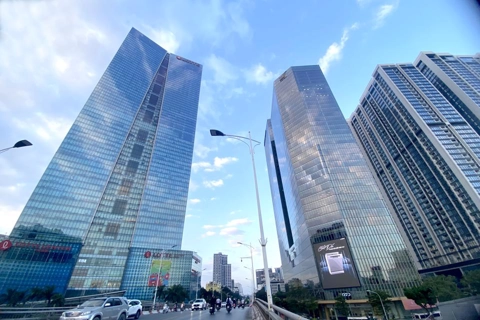
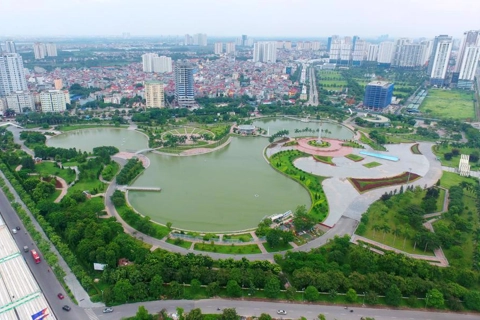
The BRI, an IFC innovation and the first of its kind globally, is expected to help make the country’s buildings and cities more climate resilient, promoting a safe and healthy environment for residents while mitigating the social and financial impacts of natural hazards.
This would ultimately contribute to Vietnam's efforts to transition to a low-carbon and sustainable economy, the IFC said.
A web-based hazard mapping and resilience assessment framework, the BRI evaluates location-specific climate-related risks for real estate projects and the resilience measures which have been implemented. This innovation makes it easy for developers, locators, homebuyers, and other stakeholders to assess, improve, and disclose the resilience of buildings.
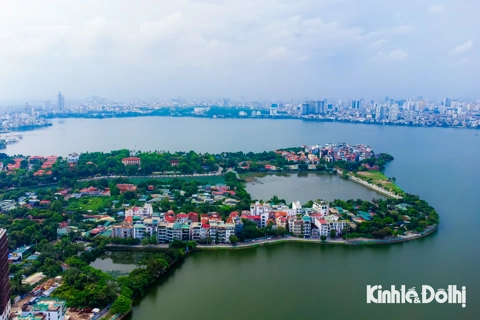
Vietnam is one of the countries most vulnerable to climate change, and is projected to lose about US$10 billion, or 3.2% of its gross domestic product, to climate impacts in 2020. Low-lying and exposed to natural hazards, some 300 coastal urban areas that provide livelihoods for a growing and rapidly urbanizing population are particularly bearing the brunt.
"Integrating sustainable and climate-resilient measures into urban development will help ensure a safe and healthy environment for people to live and work in, and avoid the loss of residential and industrial assets while contributing to the country's combined resilient and net-zero development path," said Nguyen Cong Thinh, Deputy Director of the Department of Science and Technology, Ministry of Construction, at the launch ceremony.
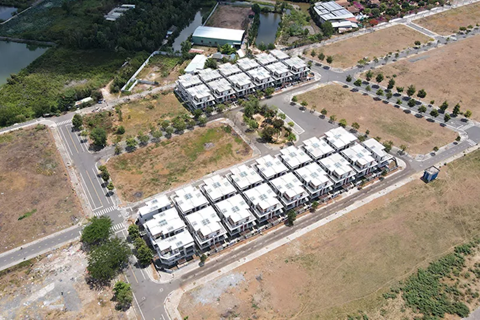
With support from the Australian government, the BRI program in Vietnam has identified the country's hazard maps and integrated them into the BRI application. It will select three pilot projects in the residential, office, retail, education, and hospitality sectors to assess and build resilience and later scale up.
IFC will also promote the adoption of BRI in the local construction industry by raising awareness and providing capacity training to developers and other stakeholders.
"With the threats posed by a rapidly changing climate, it's critical to ensure that buildings are resilient to natural hazards such as cyclones, floods, fires, and landslides, especially in Vietnam's urban areas where so many people live," said Thomas Jacobs, IFC Country Manager for Vietnam, Cambodia, and Lao PDR.
"By equipping local developers, investors, and policymakers with the Building Resilience Index, we look forward to helping strengthen the country's climate agenda and promote a greener, more sustainable, and more inclusive economy."
The BRI initiative was launched in 2020 with the Philippines as the pilot country. Within a year and a half, 1.8 million square meters of gross floor area have been committed to be assessed for improved climate resilience through the BRI.
In Vietnam, the BRI program will build on the success of IFC's green building certification program, Excellence in Design for Greater Efficiencies (EDGE), which has helped 77,000 residents save $4.1 million in utility costs and avoid 30,000 tons of greenhouse gas emissions annually since 2015.