Infrastructure developers propose 10 new bridges crossing Red River in Hanoi
The plan to add 10 new Red River bridges aims to boost transport connectivity and promote urban development in Hanoi.
THE HANOI TIMES — Hanoi has approved a plan to add 10 more bridges across the Red River, increasing the total number of planned crossings to 28.
The proposed list includes Lien Trung, Tam Xa, An Duong, Ngoc Thuy, Cu Khoi, Bat Trang and Khuyen Luong, among others.

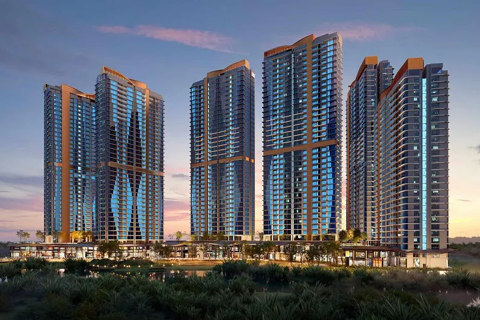
Architectural rendering of the Tran Hung Dao Bridge. Photo: Project investor
These new bridges will be developed under the public-private partnership (PPP) model, without using state budget capital.
The proposal was made by the Deo Ca Group - Van Phu Invest consortium as part of the “Red River Boulevard and Riverside Landscape” project.
This project is designed as the “backbone” of the riverside area, with an 80-kilometer boulevard (40 km on each side of the river), mostly elevated with six traffic lanes, including 67 km of viaducts and 10 km of tunnels, along with a monorail system for public transport. The total estimated investment is around VND300 trillion (US$12 billion).
Once implemented, the project is expected to significantly improve connectivity between the two riverbanks while promoting urban expansion, landscape development, and tourism in the capital city.
According to the capital’s Transport Master Plan to 2030, with a vision to 2050, Hanoi plans to build 18 bridges crossing the Red River.
Nine of these are in operation, including Long Bien, Nhat Tan, Thanh Tri and Vinh Tuy, seven are under construction in 2025 such as Tu Lien, Me So, Tran Hung Dao, Hong Ha, Thuong Cat, Ngoc Hoi, and Van Phuc. Two projects, the new Thang Long Bridge and Phu Xuyen Bridge, have not yet started construction.
With the addition of 10 new bridges under the riverbank urban landscape development project, Hanoi will soon have 12 new crossings to be built.