Lao Cai – Hanoi – Haiphong railway section to be built in 2027
The Lao Cai - Hanoi - Hai Phong railway will begin at the junction with the Chinese railway in Lao Cai City, Lao Cai Province, and end at Lach Huyen Port in Haiphong.
The Lao Cai - Hanoi - Hai Phong railway project, with a length of approximately 417 km and a total investment of around $11.6 billion, is expected to commence construction in July 2027.
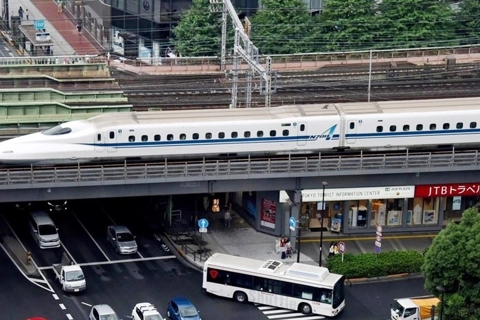
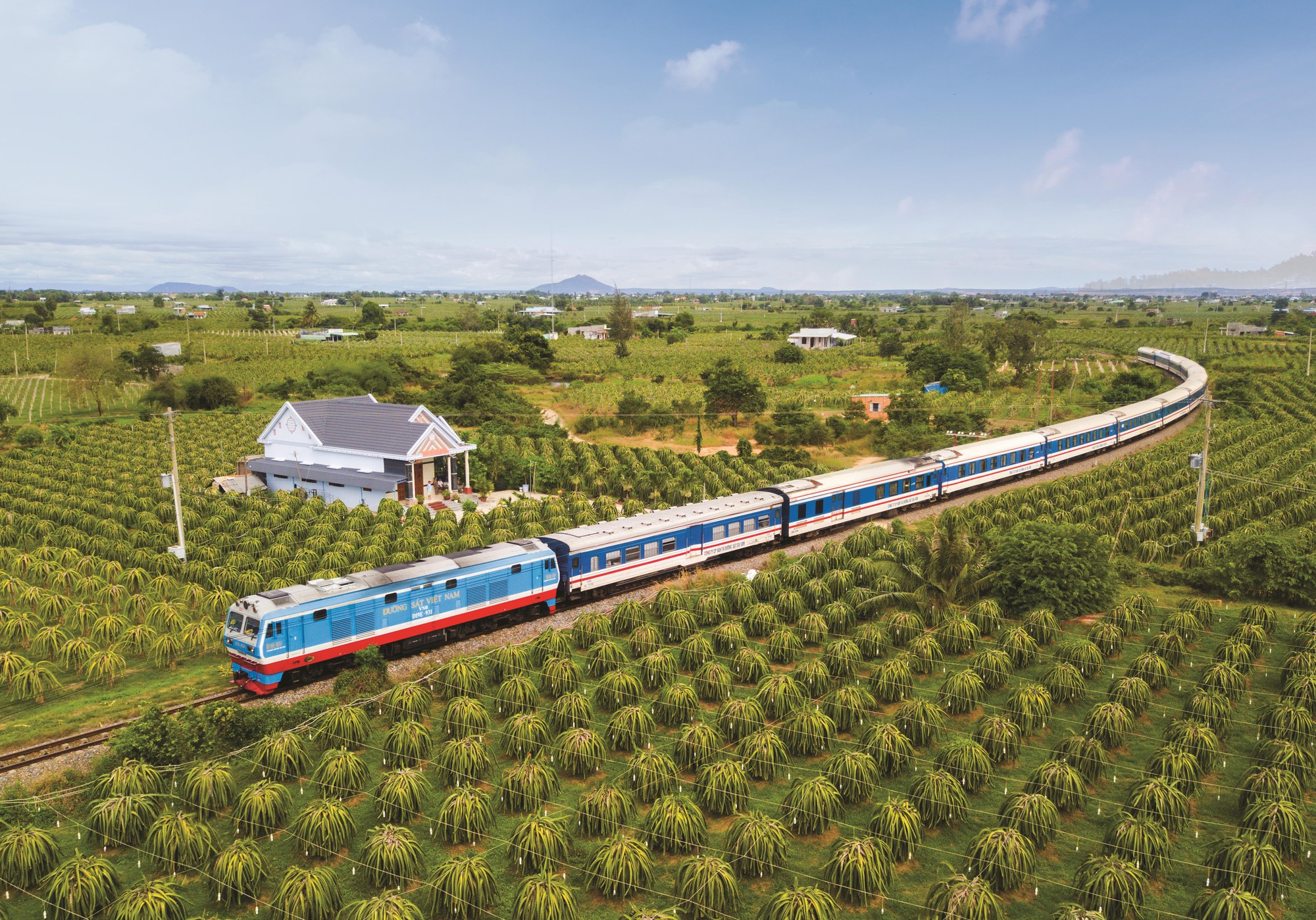
| Railway remains one of Vietnam's key transportation means. Photo: VGP |
The Railway Project Management Board outlined the plan in a report submitted to the Ministry of Transport, detailing the progress of the pre-feasibility study for the Lao Cai - Hanoi - Hai Phong railway project.
The Board aims to complete the internal review of the pre-feasibility study by January 2025 and submit it to the Government and the State Appraisal Council for assessment between February and March 2025. The project will then be submitted to the Politburo and the Central Committee for investment policy approval in March or April 2025. It is expected to be submitted to the National Assembly for approval at its 9th session in May 2025.
Following investment approval, feasibility studies will begin in May 2025, with completion targeted for May 2026. The investment appraisal and approval process will follow in September 2026. Required contracts and loan agreements are scheduled for November 2026, with construction tenders and ground preparation to begin by July 2027.
Currently, domestic and Chinese consultants have finalized the initial stage of the pre-feasibility study and are working on the mid-term report, which is scheduled for completion in November 2024. The pre-feasibility study is expected to be concluded by December 2024. The Railway Project Management Board has also consulted with nine localities along the proposed route on the alignment, station locations, and scale. These localities have largely agreed with the proposed plans.
The Lao Cai - Hanoi - Hai Phong railway will start at the junction with China’s railway in Lao Cai City, Lao Cai Province, and end at Lach Huyen Port in Haiphong. With a length of approximately 417 km, the line includes a main line of about 396.67 km and two branch lines connecting Nam Do Son and Dinh Vu ports for a total of 20.33 km. It will pass through nine provinces and cities: Lao Cai, Yen Bai, Phu Tho, Vinh Phuc, Hanoi, Bac Ninh, Hung Yen, Hai Duong, and Haiphong.
The total investment for the railway is estimated at $11.6 billion, with detailed figures to be outlined in the final pre-feasibility study report. The project is planned in two phases: Phase 1 will involve the construction of a single-track line, infrastructure development, and full land clearing, with an estimated cost of $8.57 billion. Phase 2 will upgrade the line to a double track and expand related facilities as per the master plan.
The newly constructed railway aims to enhance connectivity to Haiphong’s international seaports and facilitate transport links with China, aligning with the Belt and Road Initiative and the "Two Corridors, One Belt" framework. It is designed to meet high-quality transport needs with speed, convenience, and safety while reducing emissions.