New innovation hub for environmental analysis opened in Hanoi
This marks a significant step following nearly two years of the Vietnam–Japan science and technology cooperation project on food safety and environmental quality.
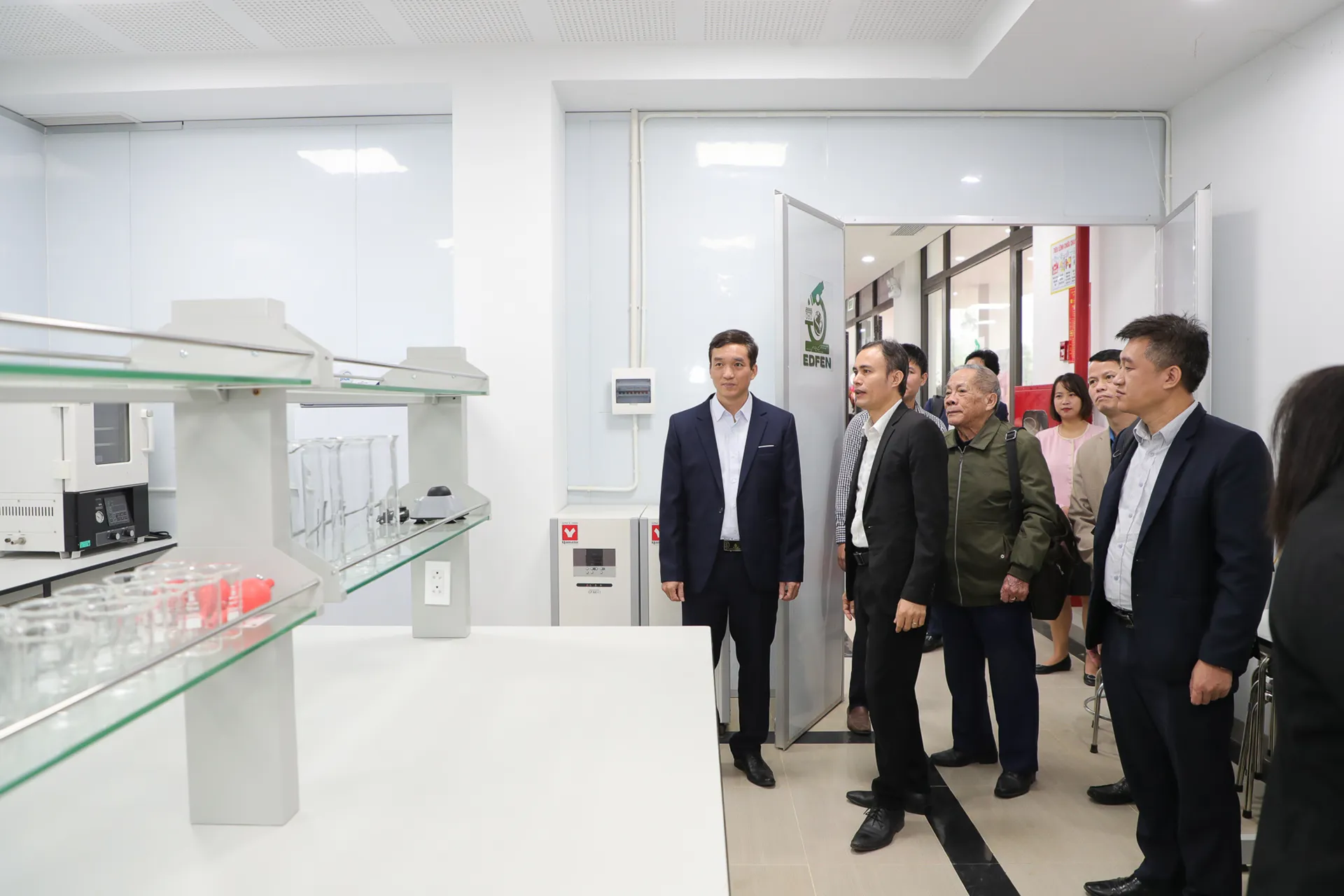
THE HANOI TIMES — A new Analysis Research and Education Center was opened on November 18 at Hoa Lac Campus of the Vietnam National University-Hanoi (VNU-Hanoi).
This center is part of the project “Development of easy-operation high-tech analytical devices and human resources for food safety and environmental quality control” under the Science and Technology Research Partnership for Sustainable Development (SATREPS) program.
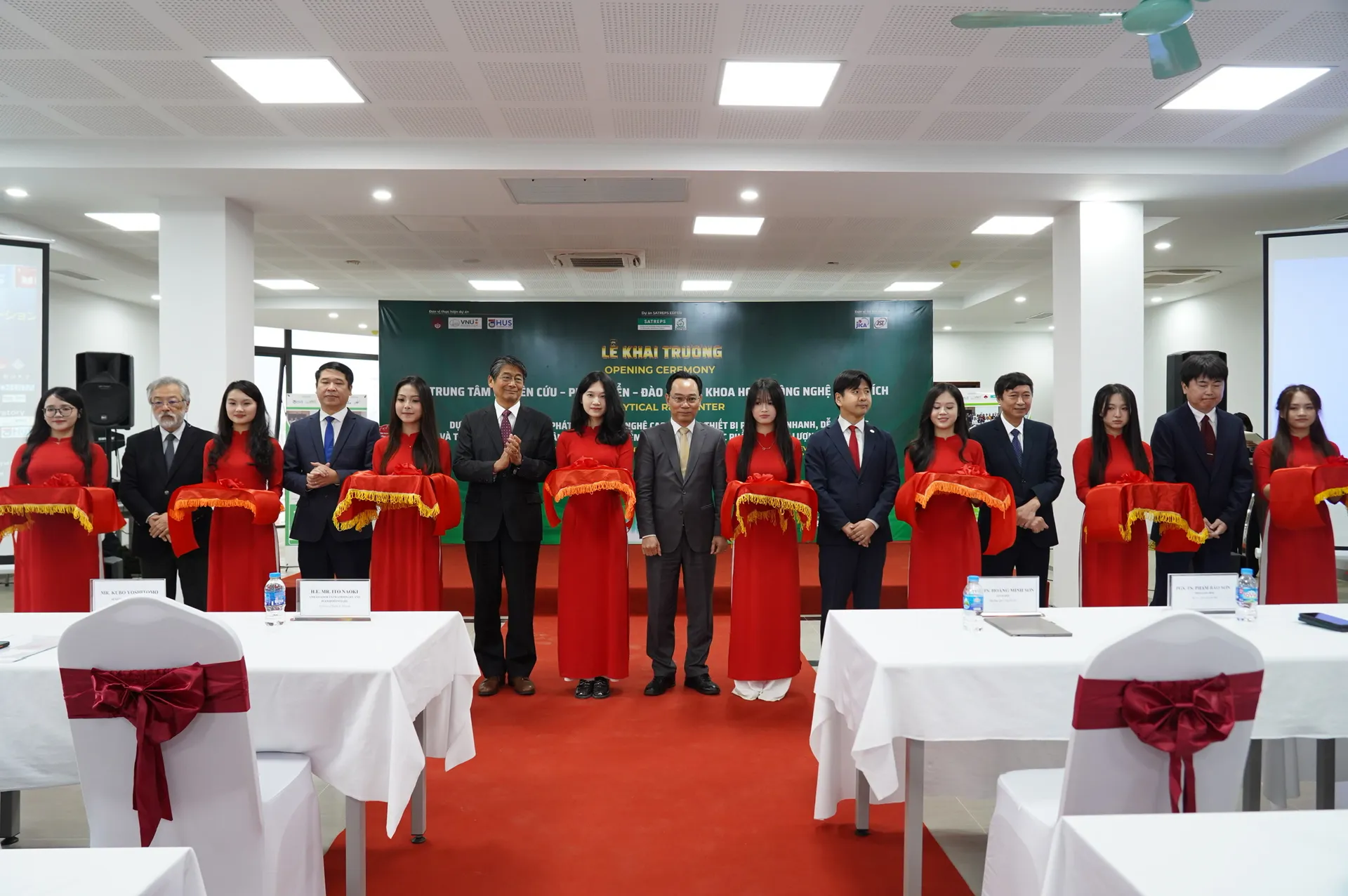
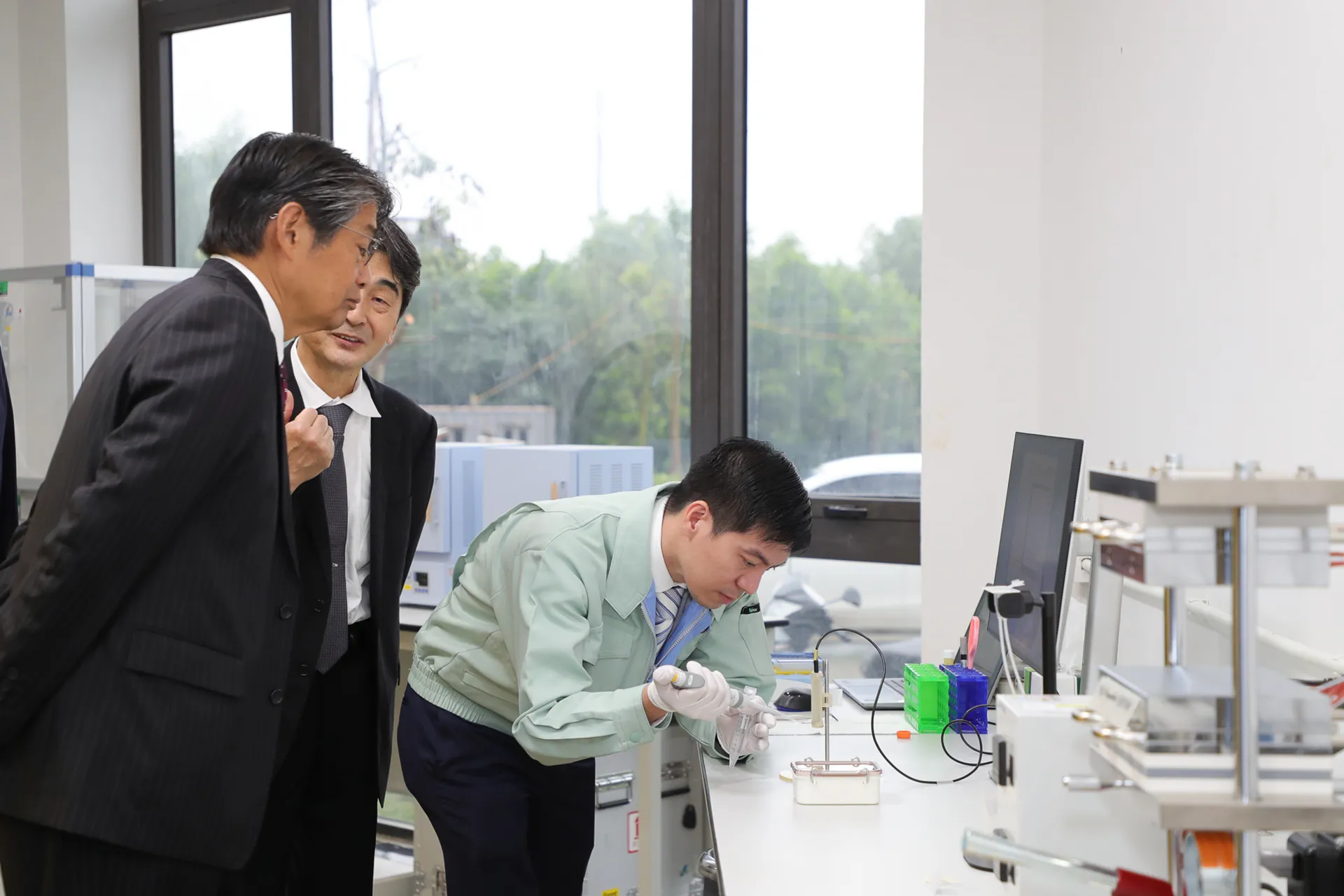
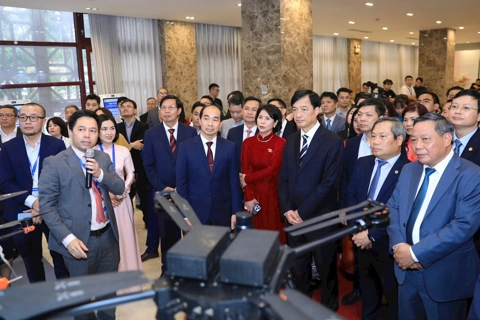
Japanese and Vietnamese delegates inaugurate the Analysis Research and Education Center on November 18. Photos: VNU
SATREPS is the Japanese government's project that promotes international joint research between Japan and developing countries to solve global issues, including climate change, food security and infectious diseases.
The program aims to generate new knowledge, create technologies with practical applications and build human resources and research capacity in partner countries.
The opening ceremony brought together representatives from universities, research institutions, government agencies, public and private companies from both Japan and Vietnam, highlighting strong international collaboration.
In his remarks, Associate Prof. Hoang Minh Son, President of the VNU-Hanoi, said that Vietnam’s rapid economic growth has led to increasing water and air pollution caused by industrialization.
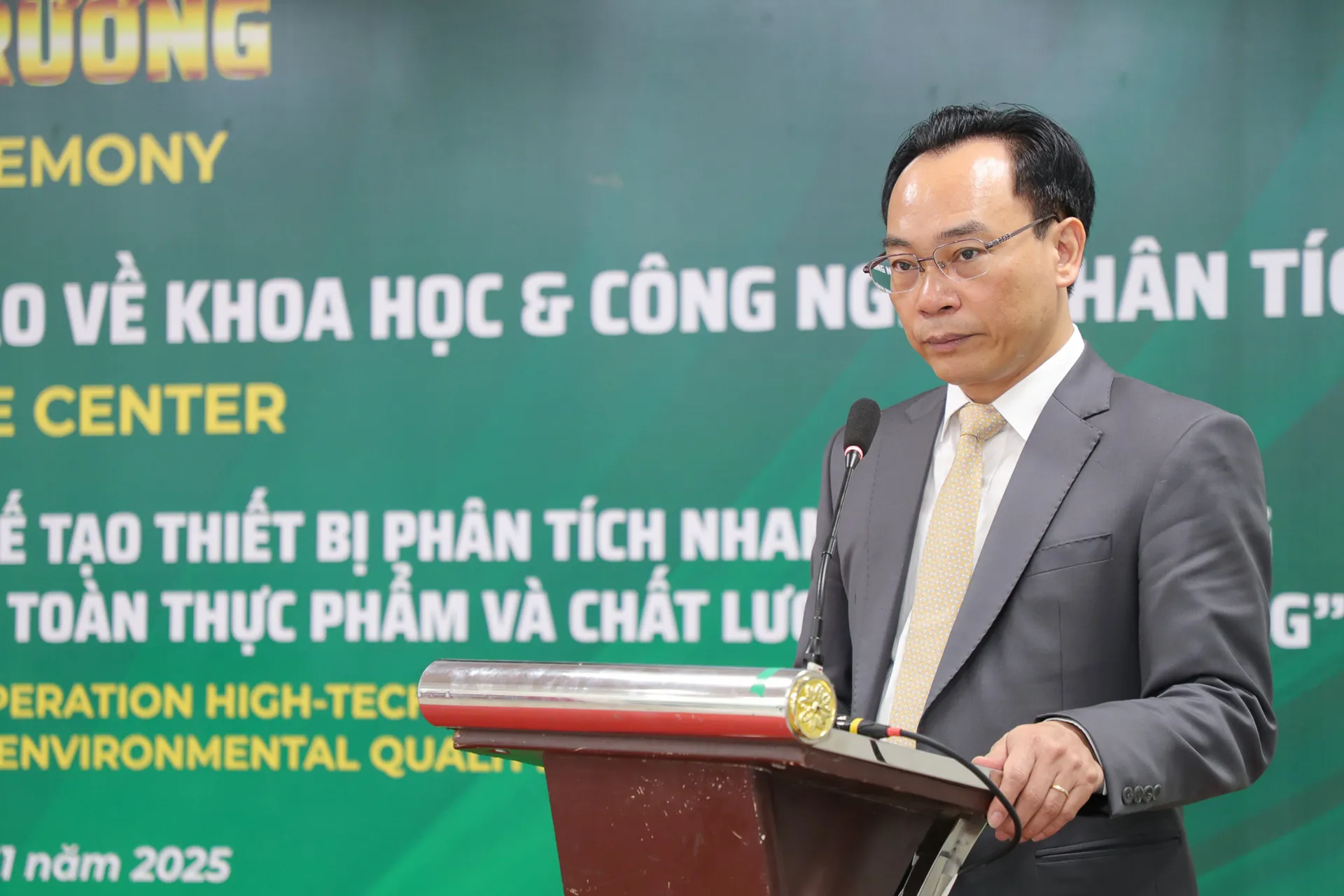
Associate Prof. Hoang Minh Son, President of the VNU-Hanoi, delivers speech at the event.
Traditionally, analysis of such pollutants has been conducted centrally in laboratories, an approach that is costly, time-consuming and slow to respond to environmental issues.
To address these challenges, the project promotes collaboration between Japanese and Vietnamese institutions to develop microfluidic device technology and electrochemical detection techniques that enable on-site environmental analysis of water and air quality.
"The project will continue strengthening the partnership to establish an on-site analytical system capable of rapidly collecting and analyzing environmental data to support early detection and mitigation of pollution, contributing to cleaner and healthier Vietnam," said Son.
For his part, Japanese Ambassador to Vietnam Ito Naoki said that Japan has transfered advanced analytical technologies to Vietnam.
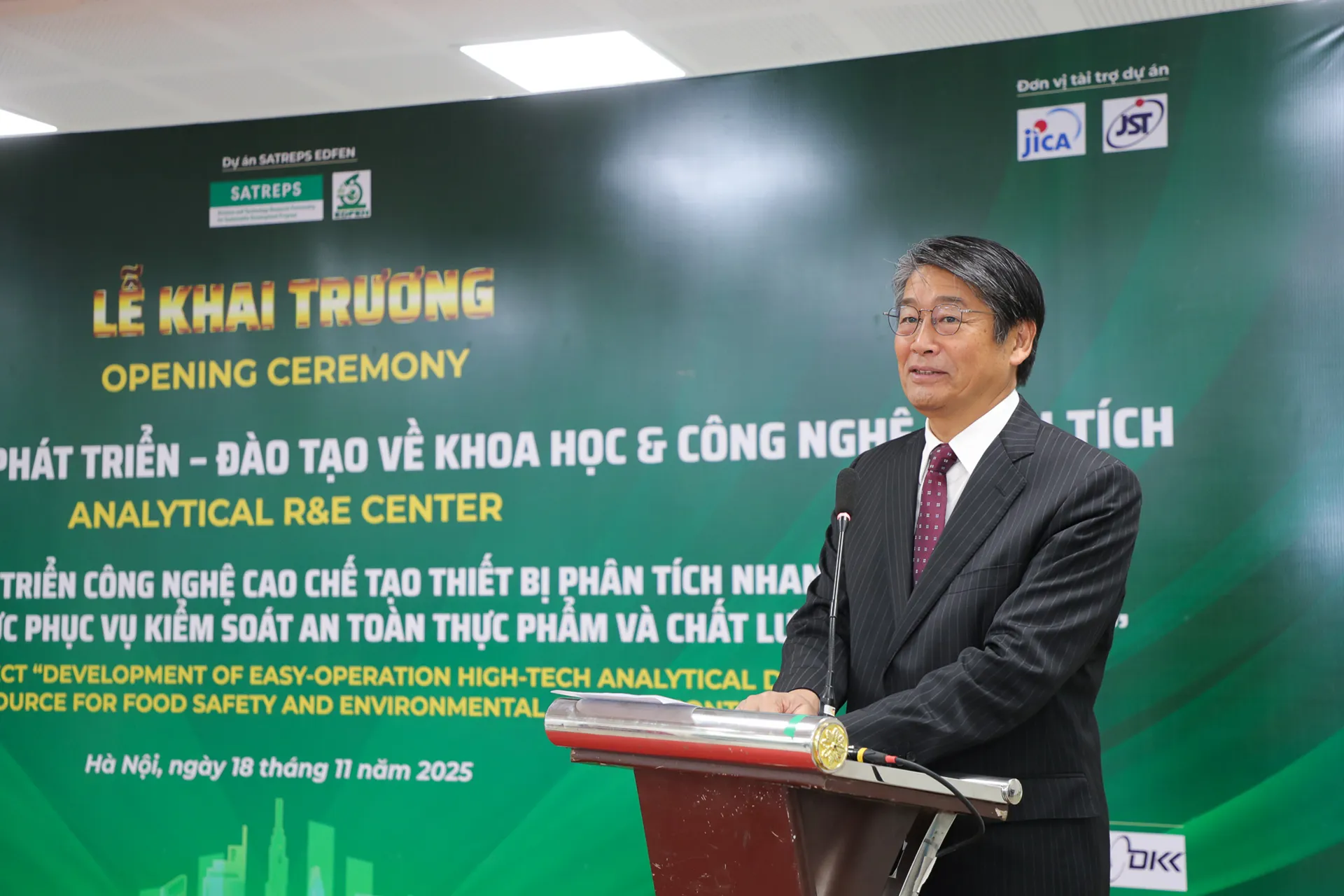
Ito Naoki, Japanese Ambassador to Vietnam, appreciate the SATREPS project in developing modern analytical technology and training high-quality human resources for Vietnam.
"Member companies of Japan Analytical Instruments Manufacturers’ Association (JAIMA) have dispatched experts as lecturers for the project’s capacity-building programs," said Ito Naoki.
The ambassador expressed his high expectations for the center’s contribution to improving Vietnam’s environmental quality.
The ceremony also provided a valuable opportunity for active exchange among participants and deepened partnership among academia, enterprises and government.
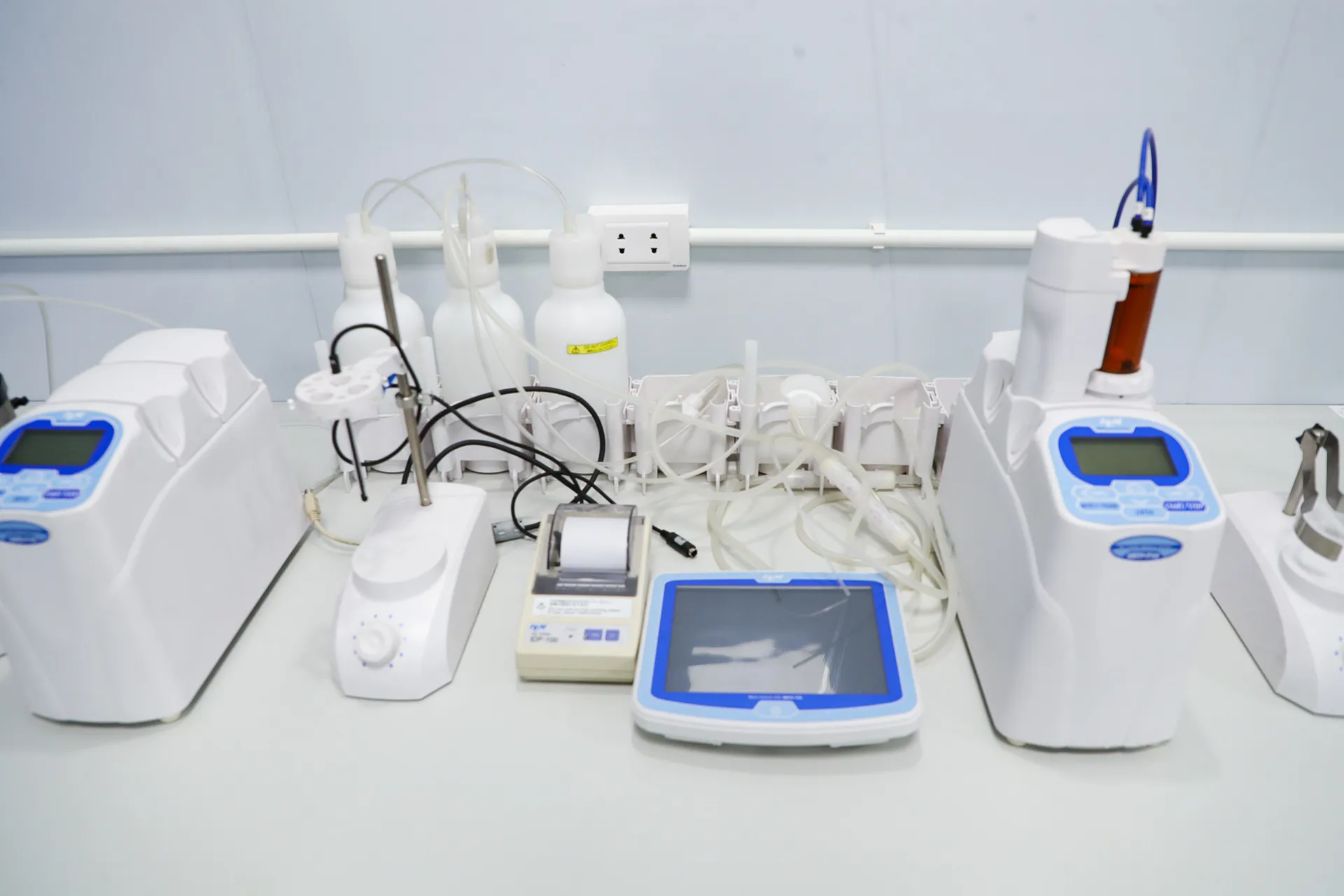
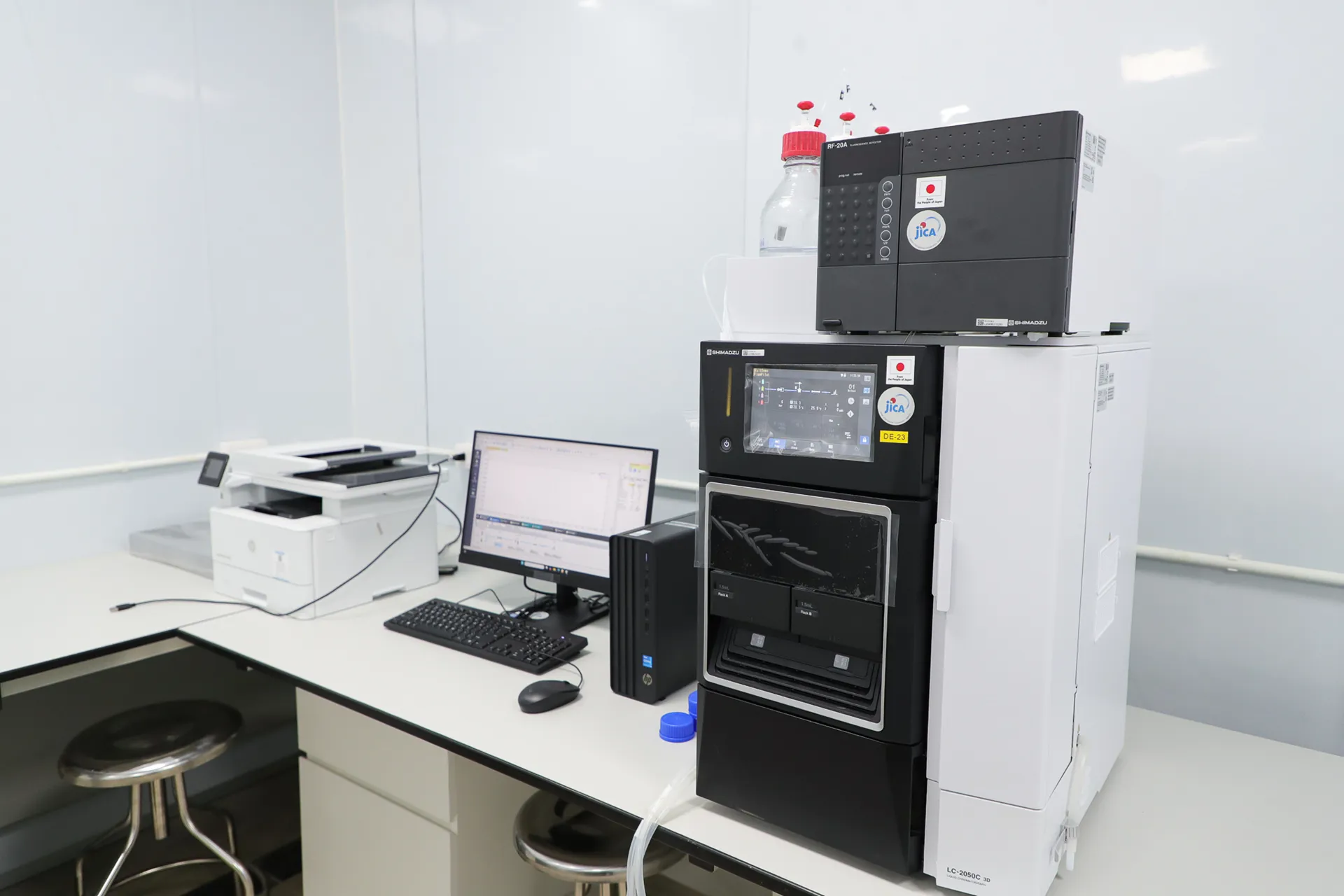
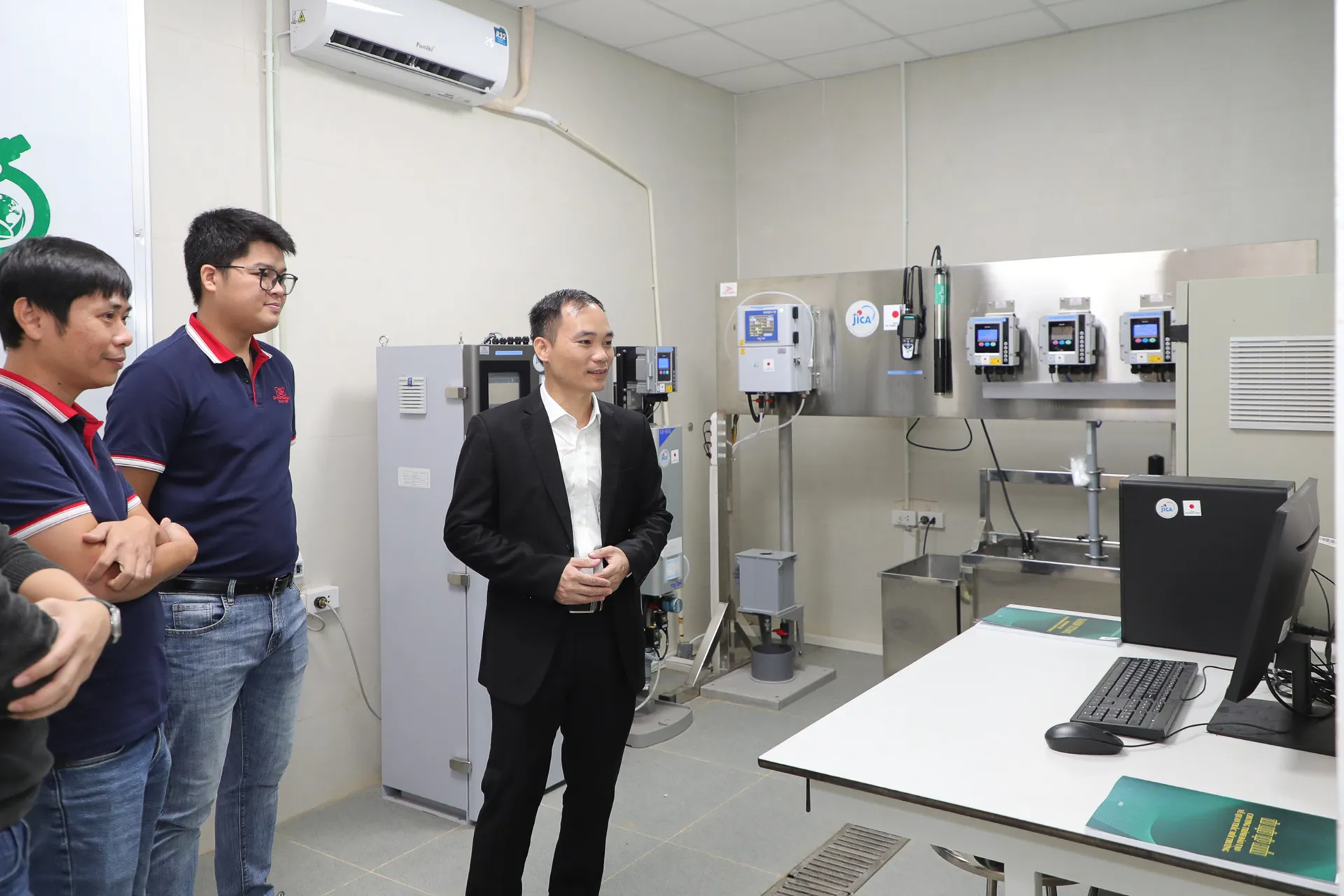
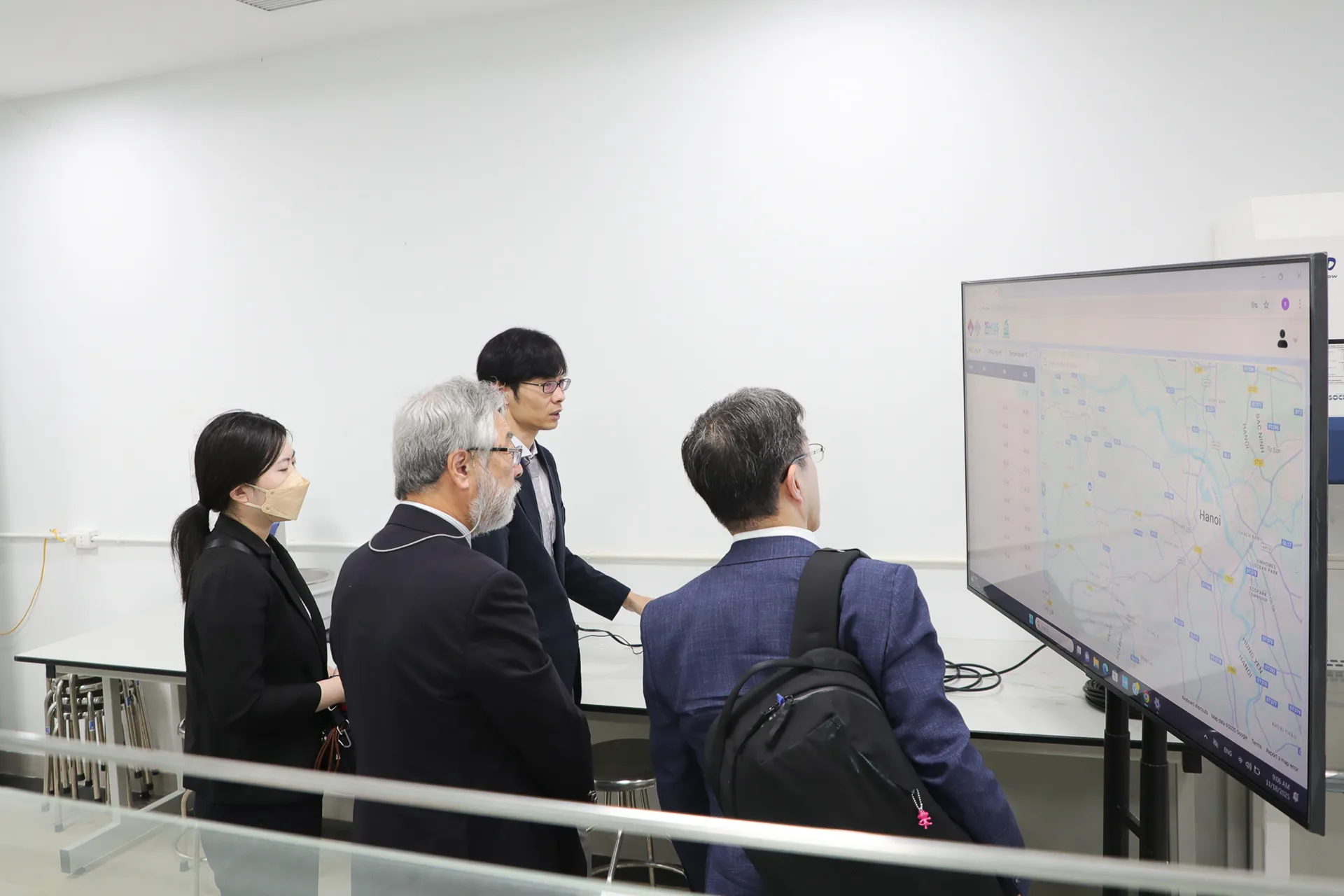
Some photos of analytical devices and instruments developed under the project as followed: