Party chief sets Q1 2026 deadline for unified national data platform
Vietnam must master core technologies, including cloud computing, artificial intelligence, blockchain and shared data platforms, to strengthen technological autonomy and safeguard national digital sovereignty.
THE HANOI TIMES — Vietnam must establish a national integrated data platform by the first quarter of 2026 to end data fragmentation and unlock data as a strategic resource for development, said Party General Secretary To Lam.
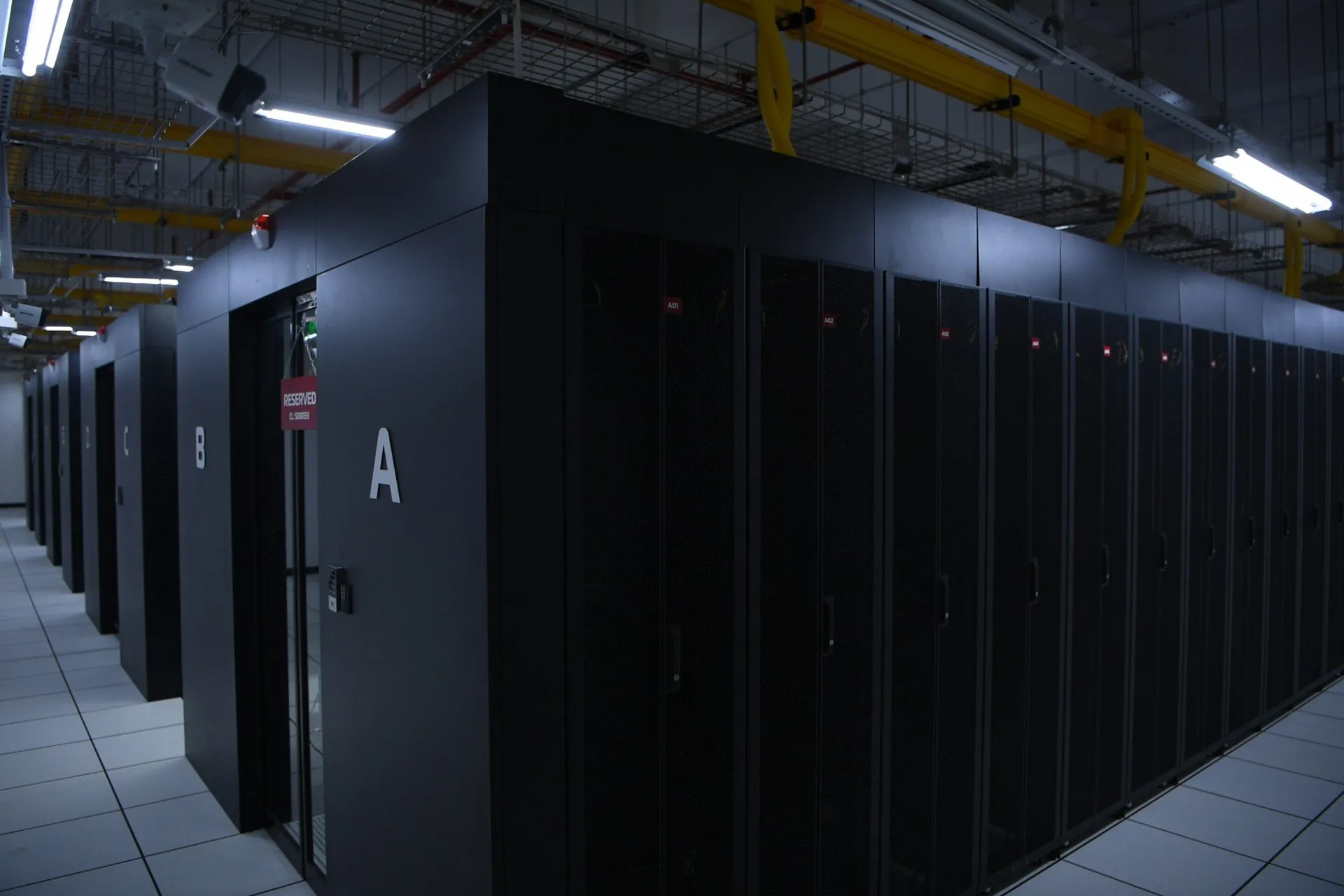
A data center by Viettel Military Group at Hoa Lac Hi-tech Park, Hanoi. Photo: VGP
Lam said at a working session with National Data Center No. 1 on December 29 at Hoa Lac Hi-Tech Park in Hanoi, noting that data has become a new and decisive resource for national governance capacity, economic competitiveness and people’s quality of life.
The Party chief called for faster data creation, connection, standardization, cleaning, governance and utilization, emphasizing that all integrated data must meet principles of accuracy, completeness, cleanliness, real-time value, consistency, connectivity and shared use.
He also urged the immediate use of data to transform the National Public Service Portal into a single digital gateway on the National Data Center platform.
"All eligible end-to-end online public services must be fully provided to maximize convenience for citizens and businesses," said Lam.
By the second quarter of 2026, Lam said the national data exchange platform must become operational, building the backbone of a data-driven innovation ecosystem.
The platform will link the National Data Center with scientific research, startups, investment and the data economy, turning data into a new growth driver.

General Secretary of the Communist Party of Vietnam To Lam speaks at the event on December 29. Photo: VNA
Data as a strategic force
Lam said Vietnam is entering a new development phase requiring faster progress, stronger breakthroughs and sustainable growth based on science, technology, innovation and digital transformation.
In this model, data is no longer a supporting tool but a strategic resource that directly shapes governance capacity, economic productivity and living standards.
The National Data Center is a platform to analyze and convert data into knowledge, sound policy decisions and concrete products and services for society.
The center serves as a trusted national data infrastructure that concentrates, connects and spreads data value for policymaking, administration, economic development, national defense and security and public services.
Its completion marks a critical foundation for national data infrastructure and is expected to accelerate digital transformation nationwide, reflecting strong political resolve, new thinking and effective execution of a complex and unprecedented task.
However, Lam said that while physical infrastructure is largely in place, data and applications remain at an early stage, requiring greater efforts in data collection, storage and utilization.
For better efficiency, the Party chief identified three major bottlenecks, including uneven data quality, as datasets in agencies are not fully standardized to ensure accuracy, completeness, cleanliness and real-time use; lack of a coordinated data-based innovation ecosystem; limited technological self-reliance and shortages of high-quality human resources in core technologies.
The National Data Center must become the heart of the data economy and data society and the brain supporting leadership, governance and administration across the political system.
Vietnam should continue developing additional centers to complete a trusted national data infrastructure network, making this a national task requiring the joint responsibility of the political system.
The Ministry of Public Security has been assigned to manage state governance over data and operate the National Data Center.
Vietnam should also focus on mastering core and strategic technologies such as cloud computing, artificial intelligence, blockchain and shared data platforms to strengthen technological autonomy, reduce external dependence and safeguard national digital sovereignty.
The Party chief stated that data security must be ensured at the highest level while national data is a strategic asset tied to sovereignty, national security and citizens’ rights.
Given such requirements, the National Data Center needs a professional workforce with strong technical expertise, firm political integrity and high ethical standards.
Special mechanisms are also needed to attract and retain top talent and to expand international cooperation, enabling core technology transfer and long-term capacity building.
Vietnam’s national data strategy
Vietnam’s national data strategy aims to build an integrated data ecosystem supporting digital government, the digital economy and a digital society, with a National Integrated Database at its core.
The plan targets full integration of national and sectoral databases by 2030, with early priorities including completing the first National Data Center and integrating key datasets by the end of 2025 to serve governance and socioeconomic development.
It also seeks to deliver all eligible online public services through the National Public Service Portal as a single gateway, cutting duplicated procedures for citizens and businesses.
Beyond public administration, the strategy promotes a data-driven innovation ecosystem and data economy, positioning data as a strategic resource for research, business growth and sustainable development.