Pickleball is not to blame, it's the players
Why Pickleball is taking over Vietnam but not everyone’s happy about it?
If you haven’t heard of pickleball, you’re not alone. However, this sport is rapidly emerging as a huge fad in Vietnam, capturing the interest from people of all ages. So, what exactly is pickleball, and why has it gained such traction? Let’s dive into this growing sporting phenomenon in this week's Words on the Street.
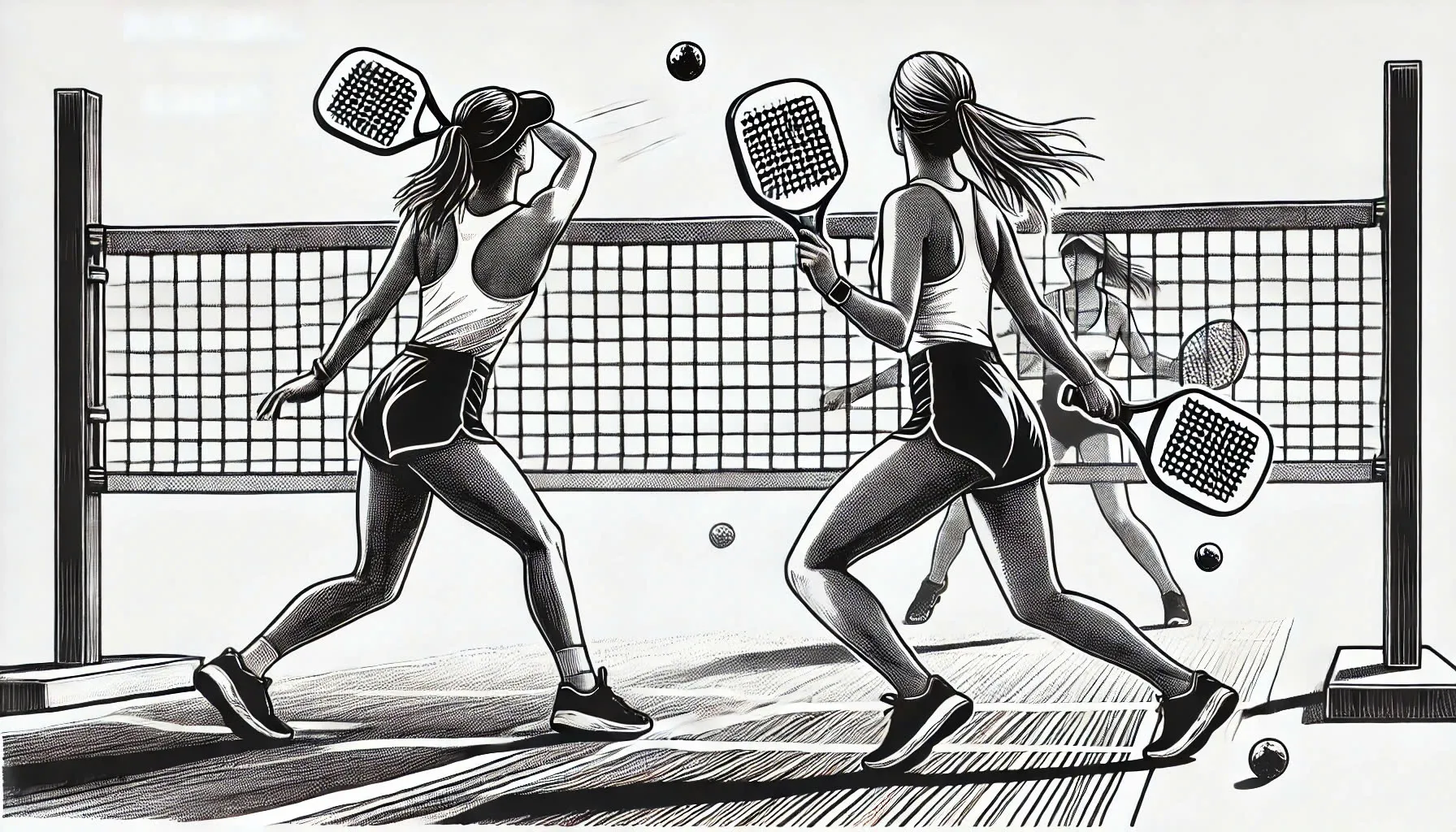
Pickleball is a sport that combines elements of tennis, table tennis, and badminton. It was invented in 1965 in the United States by three friends: Joel Pritchard, Bill Bell, and Barney McCallum. The game is played on a smaller court than tennis, using a paddle made of wood or composite materials and a plastic ball with holes.
Pickleball's ease of play and accessibility are two of its main appeals. The smaller court size and straightforward rules make it easier to learn than tennis. The game doesn't require the same level of technical skill, making it inviting to beginners. As a result, numerous new pickleball courts have sprung up across Hanoi. In many densely metropolitan regions, several tennis and basketball courts have been redesigned and repurposed for pickleball. The tennis courts near my home were also converted to six pickleball courts in the face of the pickleball craze, though not without some frustration. A close friend of mine was furious and complained about his apartment building when his favourite basketball floor was tweaked to accommodate pickleball.
In the three months or so that pickleball has been played in the capital, the sport's popularity has grown dramatically. Facebook groups dedicated to buying, selling, and sharing a passion for pickleball in Hanoi now number around 300,000 members.
I can attest that pickleball is a really simple game to play. When I took up a pickleball paddle for the first time, after embracing tennis for more than ten years I was able to start playing practically right away. This ease of transition means that players with backgrounds in tennis, table tennis, or badminton can switch to pickleball with minimal effort. A buddy of mine who regularly plays badminton needed only about five lessons to start playing in friendly matches, whereas it took me six months and roughly forty sessions to play tennis effectively.
Like any hot new trend, pickleball’s ascent hasn't been without its share of drama. Some people aren’t showing up at the courts because they love the game—they’re there for the Instagram clout. Instead of breaking a sweat, they’re too busy striking poses, turning the court into their own personal runway. And don’t even get me started on the micro-influencers! Their outfits scream "look at me" rather than "let's play," sparking plenty of eye-rolls from the serious athletes. It's clear that this behavior has had a negative impact, as micro-influencers still have influence and need to be mindful of how their actions affect the community. Many celebrities, after posting overly revealing photos for attention, faced backlash from the public and eventually have had to change their approach.
The die-hard pickleballers? Oh, they’re raging. They see these newcomers treating the game like a trendy accessory instead of the serious sport it is. To them, all the chit-chat and posing is just noise, drowning out the sound of the real pickleball action. So, while some are there to serve and volley, others are there just to serve looks—and not everyone’s impressed.
I believe that people's reasons for participating in sports are as diverse as the sports themselves. For some, it’s a way to blow off steam after a long day, a means to stay fit, or a crucial part of maintaining their health. Others approach it as a form of entertainment, a fun activity to fill their time, or as a chance to socialize and make new friends. These varying motivations reflect the different roles sports can play in our lives, and it’s natural for people to engage with sports in ways that resonate with them.
There’s no universal rulebook dictating how one should approach a sport; we all bring our own perspectives and intentions to the game. While some might see sport as a serious pursuit that requires discipline and dedication, others might treat it more casually, as a lighthearted way to enjoy life. The important thing is that sports remain accessible and entertaining for everyone, regardless of why they choose to participate. The idea that there’s only one “right” way to play is more of a societal construct than an actual rule, and it’s high time we recognize that everyone’s approach to sports is valid in its own right.
Despite the debates swirling around pickleball, one thing is undeniable: the sport has gotten more people off their couches and onto the court. Whether it’s a fad or here to stay, the uptick in physical activity is a win for public health. Take my parents, for example—they were once avid tennis players, but as age started catching up with them, swinging a racket became more of a risky endeavor than a pleasurable pastime. The strain of tennis on aging joints and muscles is no joke, and it’s a concern for many who are past their prime. But with pickleball, they’ve found a way to stay active, have fun, and even share a few laughs. It’s a game that’s easy on the body but still gets their hearts pumping, and they’ve been playing regularly, enjoying better health and mood as a result. They even eat and sleep better after a game, which is an added plus!
Pickleball is certainly the object of ridicule, with some even referring to it as a “gentle” sport or only for the old. But trust me, as someone who’s given it a whirl, you can break a serious sweat after just one match. Plus, it’s one of the rare sports where the whole family can join in—kids with parents, men with women, everyone can play together. Pickleball is a wonderfully inclusive sport, in contrast to others that need exceptional physical condition or towering height.
In the end, it’s crucial not to judge a sport by the actions of a few players. Pickleball, like any other sport, is enjoyed for many reasons. The real value lies in seeing the bigger picture and embracing the various ways people connect with it. When we do, we can truly appreciate the many benefits this quirky little game brings to our lives.