Prime Minister urges faster approval of Hanoi master plan
The master plan should reflect a 100-year vision befitting Hanoi’s historical stature as a thousand-year-old capital and the heart of the nation.
THE HANOI TIMES — Prime Minister Pham Minh Chinh has urged faster progress toward approving the Hanoi Master Plan, stressing the need to accelerate drafting, appraisal and submission to support the capital’s next development phase.
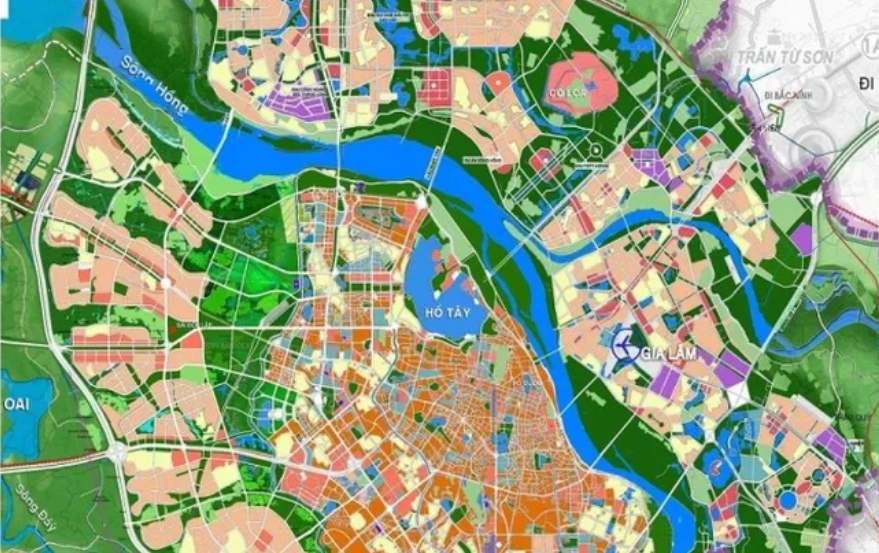
The Master Plan will be developed by integrating the contents of the Hanoi Capital Plan and the Hanoi General Master Plan into a single unified framework.
In a document signed this week, he emphasized that early approval would provide a clear legal and planning framework for major projects and those with strong regional linkages, helping mobilize resources and build new momentum for Hanoi’s long-term growth with a 100-year vision.
The direction follows the National Assembly’s decision allowing Hanoi to prepare a unified Master Plan by integrating the Hanoi Capital Plan and the Hanoi General Master Plan.
The prime minister requested the Hanoi People’s Committee to speed up preparations, complete appraisal procedures and promptly submit the Master Plan to the competent authority for approval.
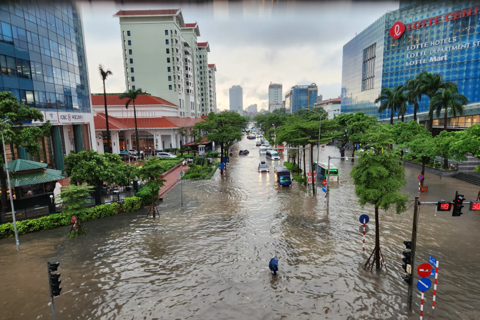
According to Chinh, the plan must ensure inclusive, comprehensive and feasible development while effectively addressing long-standing bottlenecks such as traffic congestion, air pollution, urban flooding, clean water supply and environmental sanitation.
“It should reflect a 100-year vision befitting Hanoi’s historical stature as a thousand-year-old capital and the heart of the nation,” Chinh noted in the document.
During the planning process, Hanoi was instructed to coordinate closely with neighboring provinces, including Phu Tho, Thai Nguyen, Bac Ninh, Hung Yen and Ninh Binh.
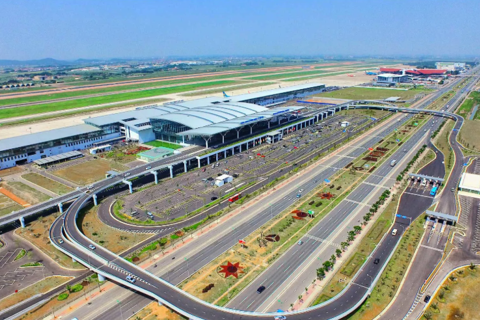
The goal is to ensure strong linkages in the development space and synchronized connections between urban and rural areas and shared strategic infrastructure such as transport, electricity, water supply, waste treatment and telecommunications.
The prime minister also emphasized the need to create a shared and interconnected development space across localities, particularly in cultural linkages, historical relics, scenic sites and distinctive natural landscapes along provincial borders. This approach aims to avoid fragmented and isolated development while promoting mutual support and growth.
At the same time, the plan should fully tap the potential and strengths of each locality and the wider capital region to foster balanced, inclusive and coordinated development. It should ensure a high-quality living environment for the entire region while preserving the unique identity of each locality.
|
The Hanoi People’s Council at its 29th session on December 13 passed a resolution setting out the scope, cost norms, unit prices, documentation requirements and procedures for drafting, appraising, approving and adjusting the Hanoi Master Plan. The resolution implements Clause 5, Article 6 of Resolution No. 258/2025/QH15 dated December 11, 2025, under which the National Assembly piloted special mechanisms and policies for major and important projects in the capital. Under the resolution, only one Hanoi Master Plan will be prepared across the city. The plan will concretize national and regional planning orientations and integrate the contents of the existing Hanoi Capital Plan and the Hanoi General Master Plan. Once approved, the Hanoi Master Plan will replace both the Hanoi Capital Plan and the Hanoi General Master Plan. It will have the same legal status as a provincial-level plan under the Law on Planning and as a citywide master plan under laws on urban and rural planning. The agency responsible for preparing the Hanoi Master Plan is required to organize consultations on both the planning tasks and the master plan itself. Opinions must be collected from city departments and agencies for the planning task and from neighboring provincial authorities, city departments, organizations, experts and local communities for the master plan. The resolution also sets out principles for determining costs, along with cost norms and calculation methods. It specifies expenses for preparing the planning task and the Hanoi Master Plan, reviewing and adjusting the plan, other related costs and the authority responsible for approving planning cost estimates. |