Quang Ninh leads Vietnam in double-digit GRDP growth
Vietnam’s economic growth diverged as industrial hubs outpaced the national average on manufacturing and investment gains.
THE HANOI TIMES — The northern province of Quang Ninh led the country in gross regional domestic product (GRDP) growth in 2025, posting an increase of 11.9%, according to the General Statistics Office under the Ministry of Finance.
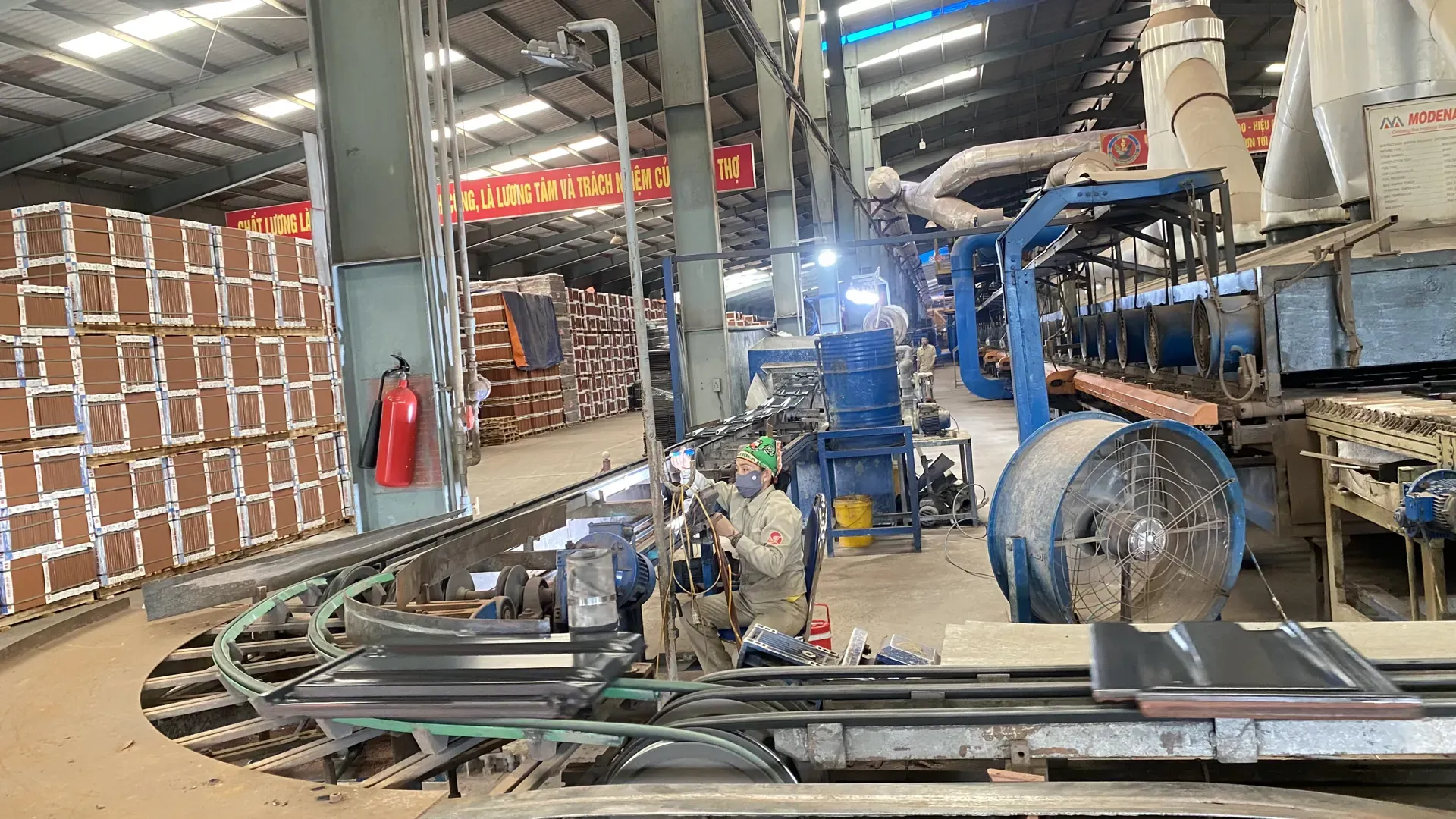
Quang Ninh Province leads Vietnam's GRDP growth in 2025 with a rate of 11.9%. Photo: Vinh Quan/The Hanoi Times
In Quang Ninh, growth stemmed largely from the Quang Yen coastal economic zone, the Thanh Cong Viet Hung automobile industrial complex and a wave of foreign-invested projects in the Dong Mai and Hai Ha industrial parks.
Five other provinces and centrally run cities also achieved double-digit GRDP growth, including the northern port city of Haiphong, the northern provinces of Ninh Binh, Phu Tho and Bac Ninh and the central province of Quang Ngai.
Among them, Haiphong recorded growth of 11.8%, reinforcing its role as a major industrial hub. Large-scale investments from the LG Group and the VinFast automobile manufacturing complex continued to underpin the city’s expansion.
The remaining localities reported GRDP gains ranging from 10% to 10.7%, comfortably outpacing the national average.
These high-performing provinces share common characteristics, including development strategies aligned with local strengths, solid industrial and service foundations and steady progress in institutional reforms to improve the business environment.
The General Statistics Office also reported that GRDP growth across all 34 provinces and centrally governed cities in 2025 ranged from 5.8% to 11.9%.
Most provinces and cities recorded growth above 7%, with only five falling below this threshold, underscoring the country’s broadly positive economic performance.
According to the statistical authority, effective use of internal resources alongside the attraction and efficient deployment of investment capital, especially foreign direct investment, played a decisive role in lifting GRDP growth across many localities.
Among major economic centers, Hanoi ranked 16th nationwide with growth of 8.2%, while Ho Chi Minh City placed 21st with 7.5%. Although they did not lead the rankings, both cities remained central drivers of economic activity and regional linkages.
At the lower end of the spectrum, several provinces posted GRDP growth below the national average, including Vinh Long, Thai Nguyen and Tuyen Quang, with rates between 5.8% and 6.4%.
The General Statistics Office linked these outcomes mainly to objective constraints and structural features specific to each local economy.
By economic region, the Red River Delta retained its position as Vietnam’s primary growth engine.
GRDP in the region rose an estimated 9.7%, exceeding the national average and accounting for 36.4% of overall economic growth, the largest share nationwide.
The Northern Midlands and Mountainous region recorded estimated GRDP growth of 8.5%, contributing 7.8% to national growth.
The North Central region expanded by about 8.4%, accounting for 6.6%. The South Central Coast and Central Highlands together grew an estimated 7.7%, contributing 9.6%.
The Southeast remained Vietnam’s largest economic region, posting estimated GRDP growth of 8% and contributing 31.4% to overall growth, supported by its dense concentration of industrial, service, logistics and financial centers.
The Mekong Delta recorded GRDP growth of around 7.2%, contributing 8.4%. While its pace lagged behind some other regions, the area maintained stable performance, reflecting an economy anchored in commodity agriculture, agro-processing and intra-regional logistics.