Ring Road 4 nears full clearance as Hanoi targets opening before APEC 2027
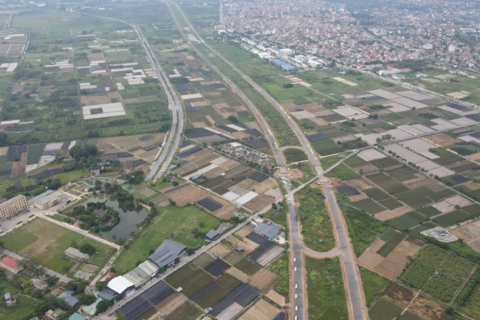
With land clearance nearly complete across Hanoi, Bac Ninh and Hung Yen, local authorities are accelerating construction of Ring Road 4, aiming to open the entire route before the APEC 2027 Summit.
Hanoi and its neighboring provinces of Bac Ninh and Hung Yen have recovered almost all land required for the Ring Road 4 – Capital Region project, according to joint reports released on December 31.
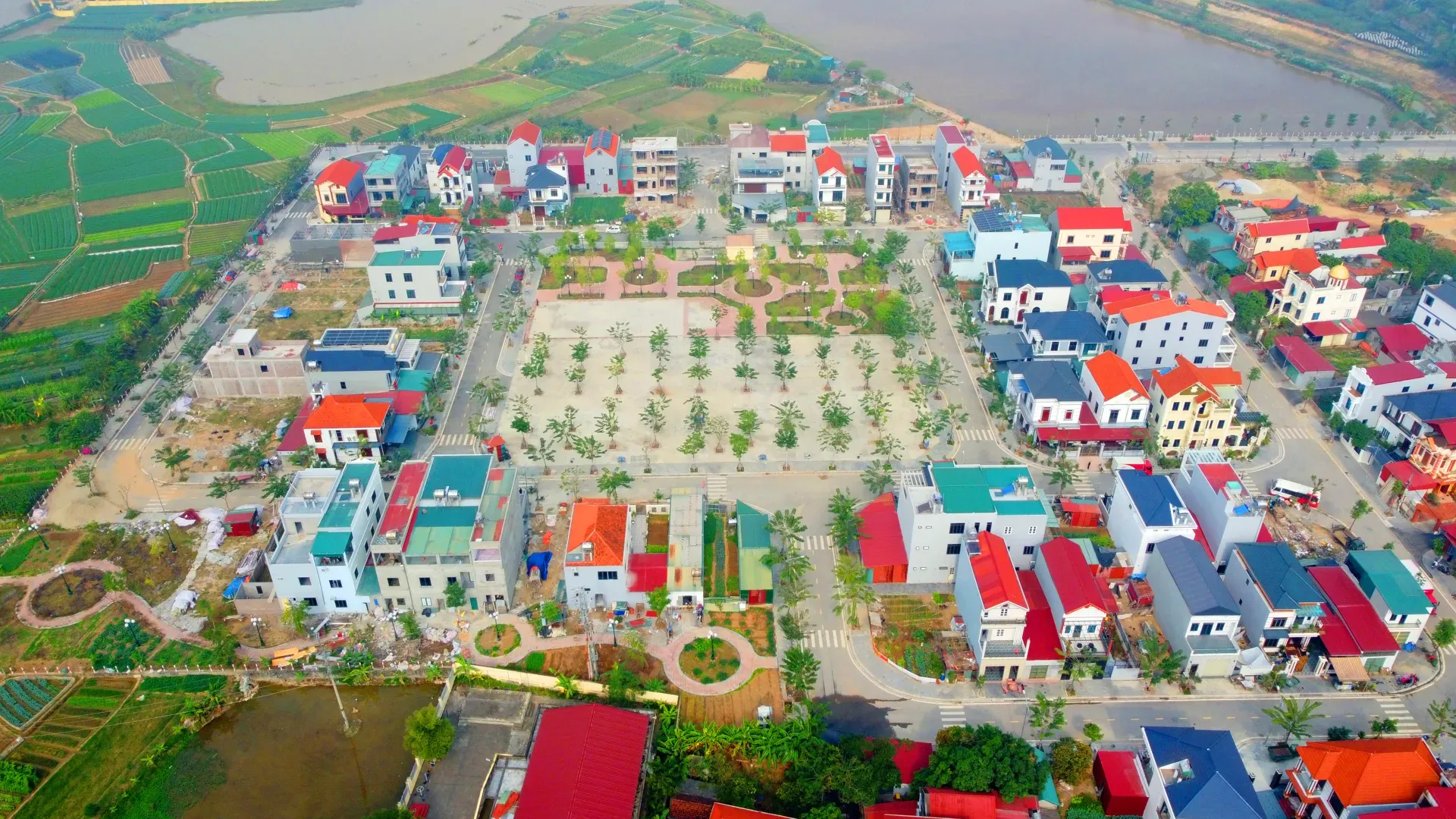
The Tan Chau resettlement area in Hanoi's Tien Thang Commune. Photo: Pham Hung/The Hanoi Times
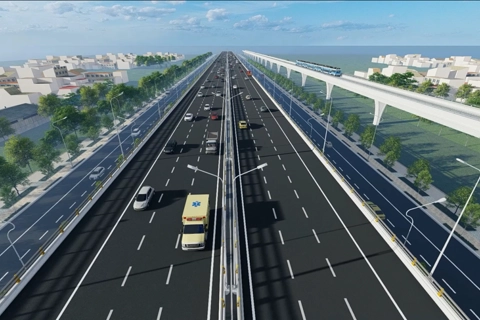
The project spans about 113.52 km, including 103.82 km of the main route and a 9.7 km connector toward the Noi Bai-Ha Long Expressway. It starts at Km3+695 on the Noi Bai-Lao Cai Expressway and ends at Km40+500 on the Noi Bai-Ha Long Expressway.
The total investment for the project is estimated at VND85.8 trillion (US$3.2 billion).
Authorities have recovered around 1,420 hectares, reaching 99.99% of the target. All three localities have completed grave relocation, built resettlement areas and relocated high-voltage power lines and technical infrastructure.
The ring road’s Hanoi section runs about 59.2 km through 17 wards and communes, requiring the recovery of 800 hectares and the relocation of 9,000 graves.
After more than three years of implementation, the city has completed all 13 resettlement areas and finished land clearance and infrastructure relocation on schedule. Power lines at 110kV, 220kV and 500kV have also been fully relocated.
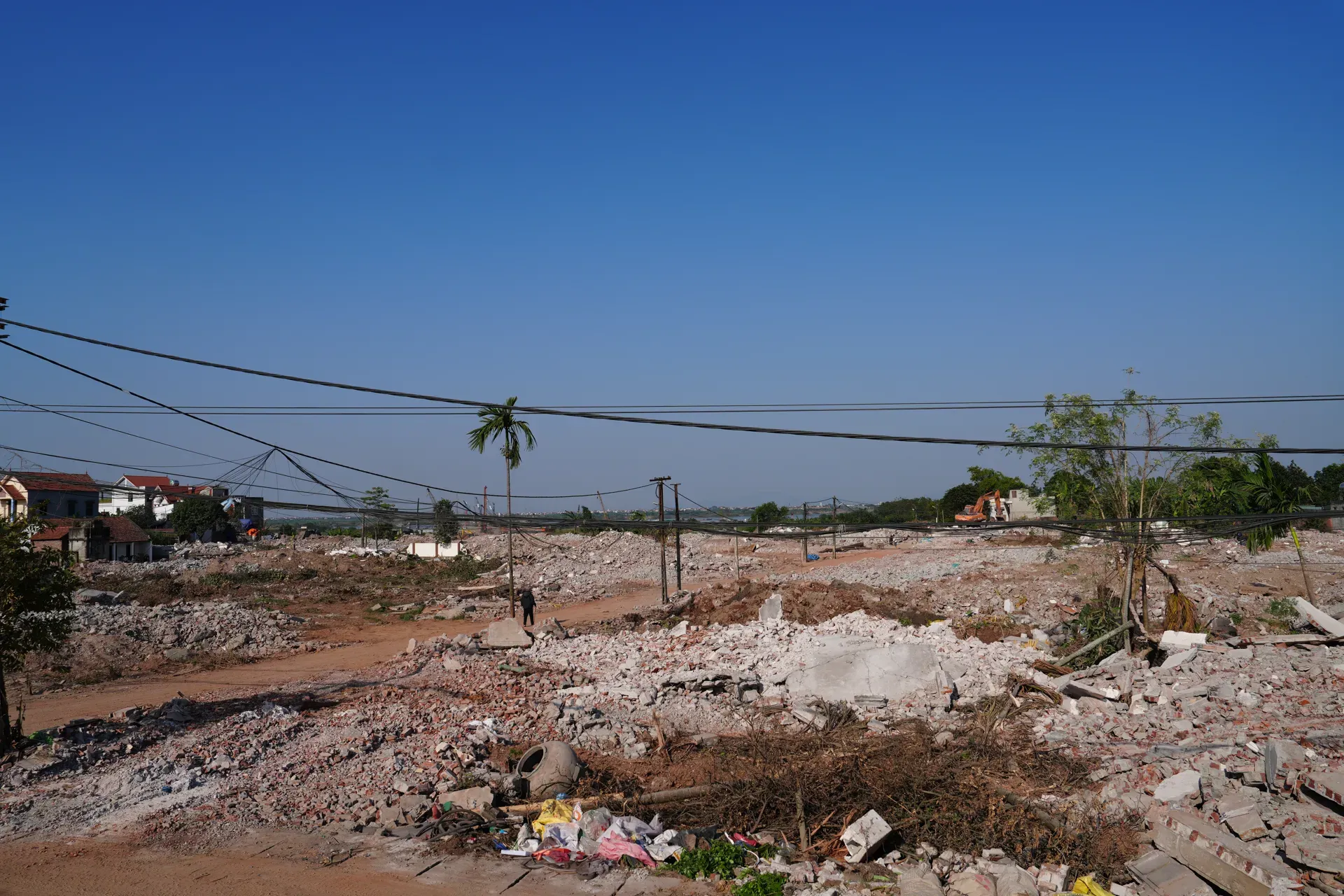
Land cleared and covered for the project in O Dien Commune. Photo: Duy Linh/The Hanoi Times
In Hung Yen, the project covers 19.3 km across six communes. The province has handed almost all land area required with only 1,854 square meters linked to five households remaining. Authorities continue to encourage voluntary dismantling.
Hung Yen has completed relocation of all 4,200 graves, finished infrastructure relocation and built all 11 resettlement areas and seven cemeteries.
Bac Ninh’s section extends 30.6 km across 11 wards and communes. The province has completed compensation, support and resettlement for the entire clearance area of about 400 hectares, involving 7,500 households and organizations.
The province has also built eight resettlement areas, arranged housing for 319 households, relocated 2,000 graves and largely completed infrastructure relocation.
For sub-project 2.1, which involves parallel service roads, Hanoi has paved about 35 of 53 km with asphalt concrete and disbursed 85% of the total spending worth VND4.2 trillion (US$160 million). The city expects to largely complete the service roads by Q2/2026.
In Hung Yen, 23 of 33.65 km of service roads have received asphalt pavement, with completed output valued at VND867 billion ($33 million) out of VND1.2 trillion ($47 million), or 70%.
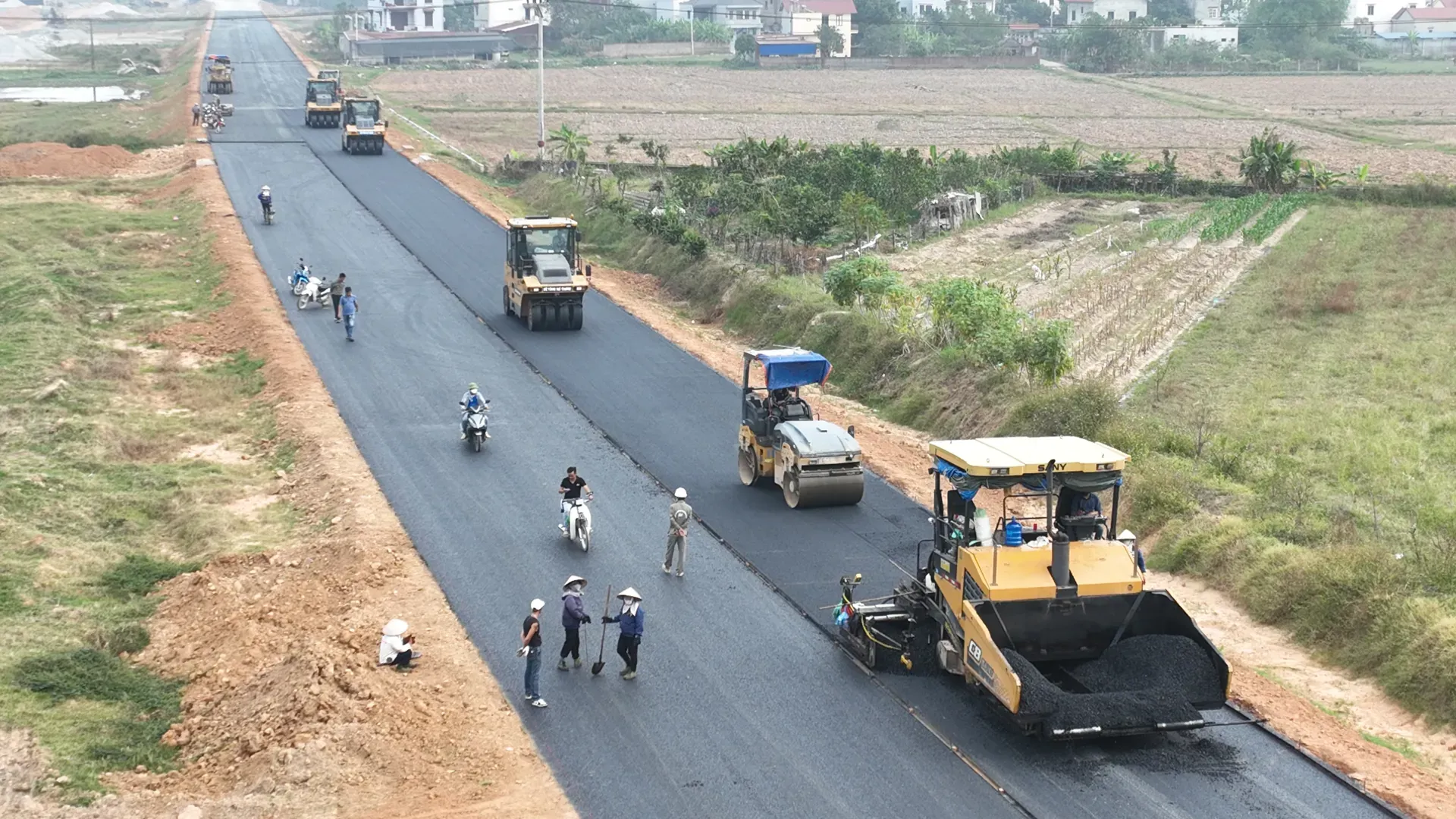
A stretch of the service road runs through Tien Thang Commune in Hanoi. Photo: Pham Hung/The Hanoi Times
Sub-project 2.3 in Bac Ninh has completed soft-ground treatment on 97% of the planned length. Asphalt paving has reached about 4 of 31.8 km, while total construction value stands at roughly VND1.3 trillion ($47.6 million) out of VND2.3 trillion ($87.5 million), or 50%.
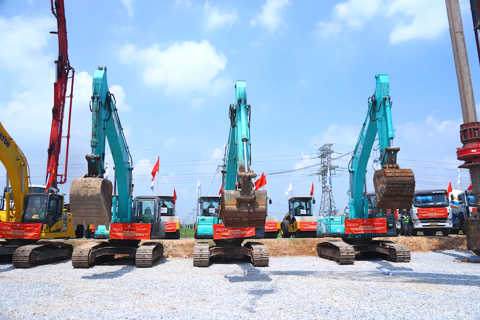
Under sub-project 3, which covers expressway construction through a public-private partnership model, contractors are focusing on major structures such as the Hong Ha, Me So and Hoai Thuong bridges, along with elevated sections.
Reports said that contractors are making design adjustments to improve connectivity and construction efficiency.
These include modifying the Hanoi-Haiphong interchange to align with regional planning, adjusting ramps linking to the Hung Yen Heritage Axis and changing embankment and pavement materials to better suit on-site conditions.
Given the progress in land clearance and infrastructure development, Hanoi, Bac Ninh and Hung Yen aim to open the entire route before the opening of APEC 2027, which is scheduled for November 2027.
Strong leadership commitment
Hung Yen Party Secretary Nguyen Huu Nghia said the project’s progress reflects close attention from central authorities and the project steering committee.
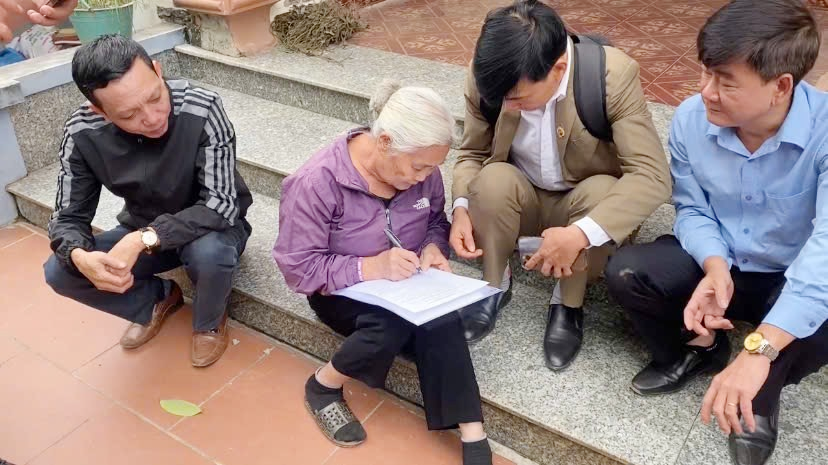
Local officials of O Dien Commune speak and convince residents to agree on land clearance. Photo: Duy Linh/The Hanoi Times
He highlighted effective public communication, strong public consensus and close coordination among Hanoi, Bac Ninh and Hung Yen in addressing shared challenges.
Secretary Nguyen Hong Thai of the Bac Ninh Provincial Party Committee said the province faces delays in service road construction due to shortages of fill material, with more than 600,000 cubic meters still needed.
He pledged to resolve the shortage before January 10 and urged contractors to mobilize maximum resources to accelerate construction.
Thai also stressed the need to comply strictly with National Assembly resolutions on finance and budgeting, while ensuring balanced contributions among localities without creating excessive fiscal pressure.
Hanoi Party Secretary Nguyen Duy Ngoc, who heads the project steering committee, praised all three localities for meeting key milestones, especially land clearance.
He directed adjustments to allocate additional capital to Bac Ninh and called for synchronized interchange designs to optimize traffic connectivity.
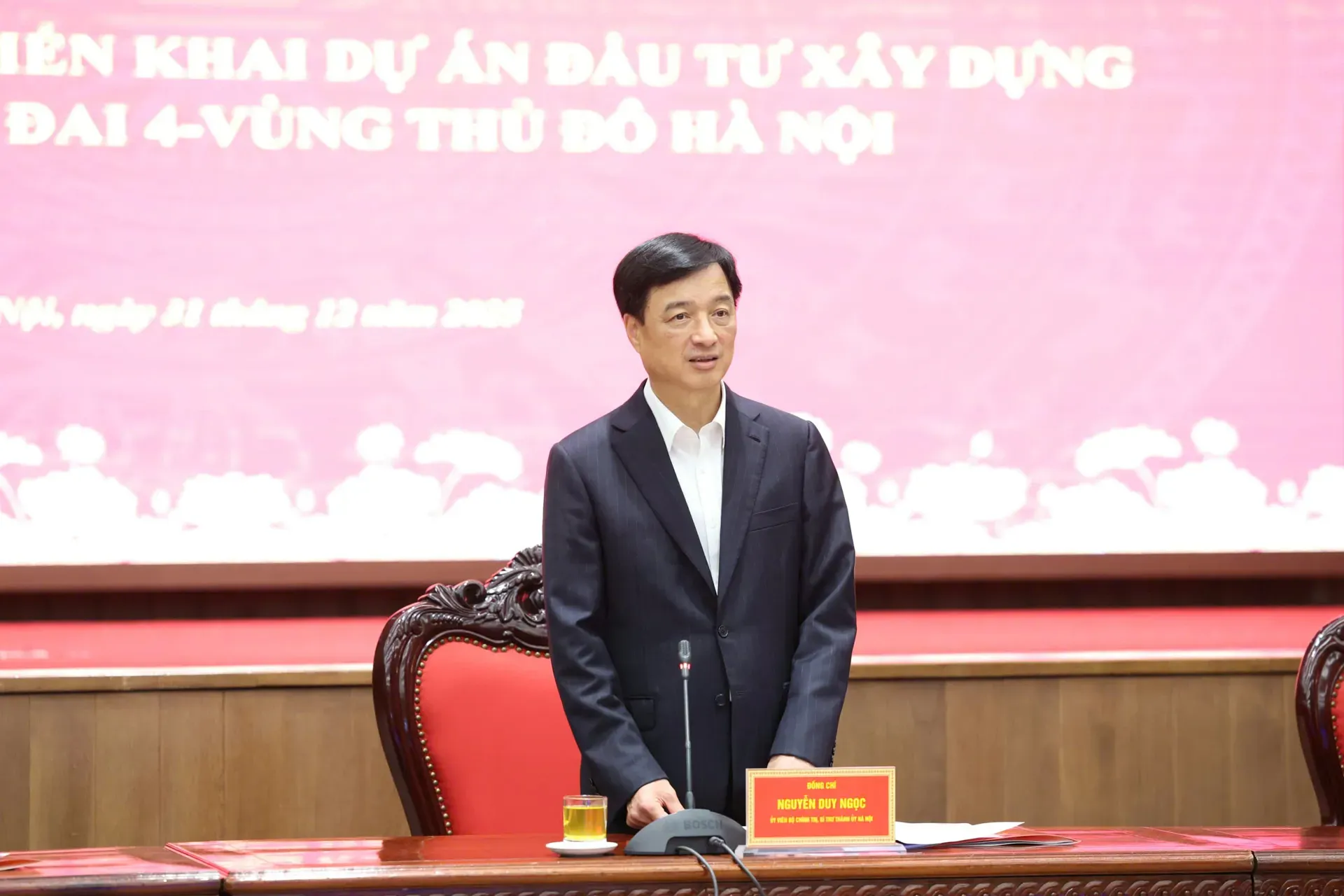
Hanoi Party Secretary Nguyen Duy Ngoc calls on stronger efforts among Hanoi, Bac Ninh and Hung Yen provinces to complete the project by November 2027. Photo: Thanh Hai/The Hanoi Times
Ngoc also urged Hung Yen and Bac Ninh to align with Hanoi on unified architectural and landscape standards to support durable, modern and sustainable urban development along Ring Road 4.
He asked contractors to take advantage of favorable weather to speed up construction and directed agencies to study alternative construction materials under Ministry of Construction regulations.
The Hanoi Party Chief also called on the ministry to coordinate solutions for material supply across the project.