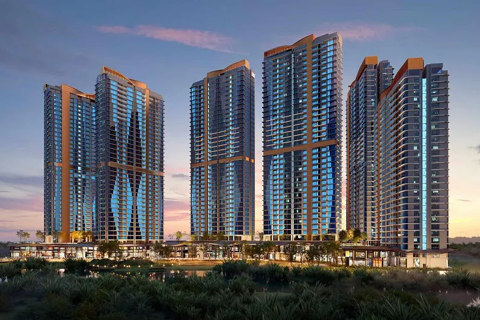
Supply constraints keep housing prices high: expert
Rising value of Hanoi's residential segment calls for measures to reduce property prices.
Hanoi's property market is overheated: demand is high, but supply is tight. The big question is whether the market will cool down in the future. Nguyen Van Dinh, Vice Chairman of the Vietnam Real Estate Association, talks to The Hanoi Times about the market's prospects and solutions.
| Nguyen Van Dinh, Vice Chairman of the Vietnam Real Estate Association. |

Can you provide a summary of the residential market in Hanoi in Q1/2024?
Since 2018, a number of policies have been adopted to tighten control over the property market, leading to a significant reduction in supply. Meanwhile, the demand for housing continues to grow, driving prices even higher, especially in the apartment segment.
Our market database shows that apartment prices in Hanoi have been rising for 20 consecutive quarters. In Q1/2024, the apartment price index was 48% higher than in Q1/2019 and 8 percentage points above the level at the end of 2023 - the highest level in five years. Selling prices in some specific projects rose by as much as 20-30%.
Housing prices are only rising in specific projects, not in the market as a whole. So far, the reasons for the price increases include a shortage of supply, sustained high demand and a preference for investing in real estate assets amid low interest rates.
In addition, high demand for housing from tourists, international professionals and students is pushing up prices. High prices are also driven by infrastructure development. However, such price increases are not justified.
What do you think about the prediction that property prices in Hanoi will continue to rise?
Hanoi's population is forecast to reach nine million by 2025, with the city achieving an urbanization rate of 62%. This means that the number of urban residents will reach nearly 5.6 million people, up from 4.14 million people in 2022. This equates to an annual increase of 120,000 families.
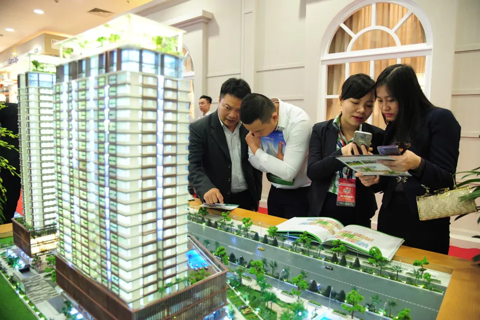
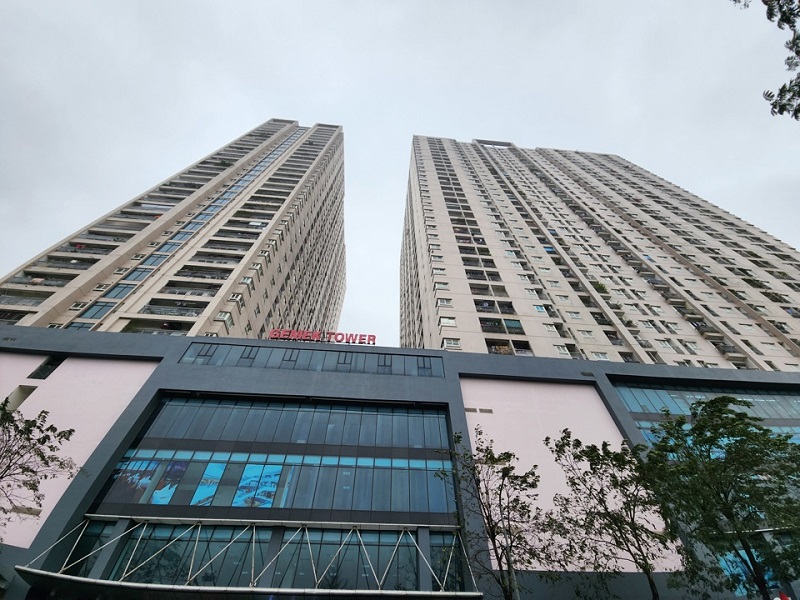
| An apartment and shopping complex in Hanoi. Photo: Cao Nguyen/The Hanoi Times |
Hanoi's residential development databases for 2021-2025 also indicate that the demand for the period 2022-2025 is 185,200 residential units, of which the number of apartments is projected to be 166,600 units. However, the supply to the market is declining. In 2023, the supply of new dwellings was only 11,000 units, two-thirds of the 2022 figure. In Q1 2024, only 3,000 new dwellings were offered to the market.
From now until 2025, Hanoi will face a shortfall of around 50,000 homes per year. The number of certified commercial housing projects is likely to decline during this period, and affordable housing will disappear.
How can we help to keep housing affordable?
It is a balance between supply and demand. When demand exceeds supply, prices must rise. But at the moment, prices seem to be manipulated and speculated.
But it's difficult to identify and deal with speculation. The owner has the right to name the price of his property and to reach an agreement to sell his asset. With a shortage of supply, homeowners will have the upper hand in negotiations and high prices are expected.
In the long term, we need to take strong measures to stabilize the prices of apartments and other housing products. First, we need to continue to speed up infrastructure development and reduce travel time and distance between central areas and the suburbs. This will increase supply in the suburbs and bring down market prices.
| An old apartment building in Thanh Cong Ward, Ba Dinh District. Photo: Cong Hung/The Hanoi Times |
.jpg)
Second, priority must be given to the development of affordable housing projects. The local government can dictate the market supply by developing appropriate zoning plans and creating more land reserves for building affordable housing. People should be given sufficient information about the projects and be able to comment on the plans.
Thirdly, local authorities should approve a pilot plan to allow companies to convert their undeveloped land into residential projects to provide additional supply to the market. It is believed that many investors are now stuck because they can't get permission to convert land into residential areas.
Fourthly, decades-old blocks of flats need to be rebuilt and renovated. We need initiatives to balance the interests of owners of dilapidated flats, investors in renovation and the state. If the policy is good enough, people will leave their homes willingly, developers will be able to recoup their investments, and state management agencies will achieve better results in urban planning.
Fifth, we should study the application of tax rates commensurate with the amount of wealth accumulated, targeting property speculators. Policymakers should consider a policy of higher lending rates to prevent borrowers from taking out cheap loans to buy houses for speculation.
People and investors should be aware of the financial and legal status of a project to avoid potential risks, and they must not feel the fear of missing out (FOMO). Property investors need to think about the overall market, control their selling prices and monitor distribution channels to keep the market healthy.
Thank you for your time!