Vietnam aims to lead SEA in climate-smart farming by 2035
Every province and city will need to develop at least one or two scalable low-emission production models by 2035.
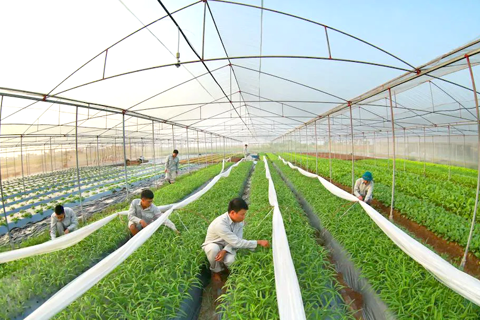
THE HANOI TIMES — Vietnam aims to become a regional leader in climate-responsible agriculture by 2035 through the establishment of at least 15 pilot low-emission farming models, designed to generate carbon credits eligible for international markets.
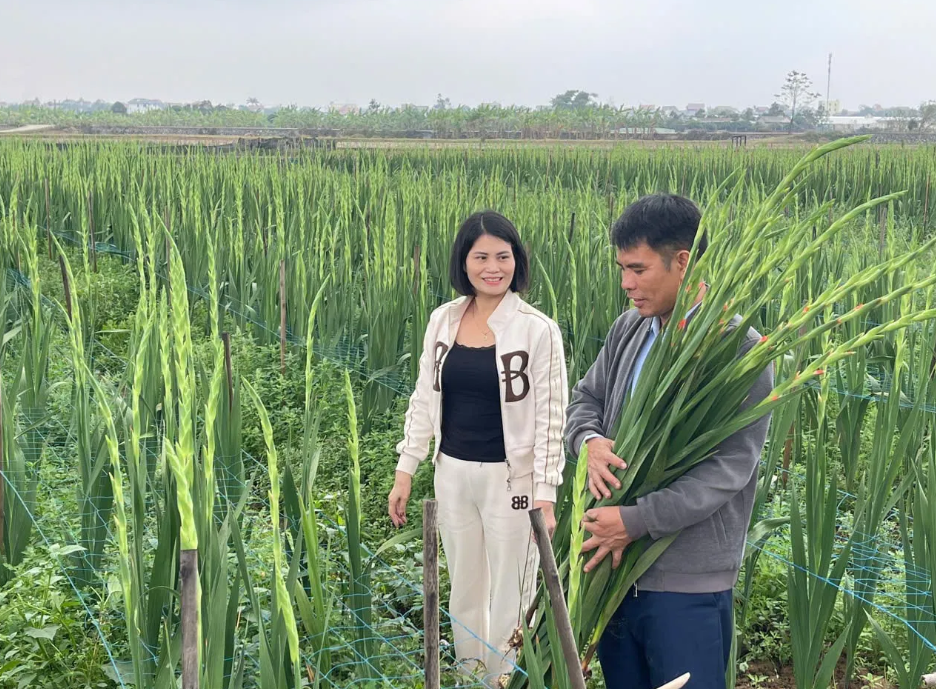
High-quality gladiolus production and consumption model with new varieties in Gia Lam Commune, Hanoi. Photo: Hoang Quyet/The Hanoi Times
This target is a central pillar of the Ministry of Agriculture and Environment’s crop production plan for 2025–2035, which sets the sector on a low-emission trajectory, ensures food security, and strengthens the competitiveness of Vietnamese farm products.
By 2035, every province and city will need to develop at least one or two scalable low-emission production models. Crop farming is expected to reduce emissions by at least 15% compared with 2020, and a new “low-emission” label will be launched for products meeting environmental standards.
Some less productive rice-growing land is slated for conversion to higher-value dry crops or integrated with aquaculture. Models such as “one rice crop–one cash crop” are being encouraged to restore soil health and cut emissions. For perennial crops, the ministry will prioritize varieties that deliver both strong economic returns and effective carbon absorption.
Low-emission farming is being standardized, with rice using alternate wetting and drying and the System of Rice Intensification (SRI). Organic, microbial and slow-release fertilizers are replacing chemicals, while biological pesticides reduce chemical use. Digital tools such as soil sensors and monitoring software help farmers optimize inputs, lowering costs and emissions.
Demonstration projects in farming zones link farmers, cooperatives, and enterprises, adopting low-emission techniques and international-standard MRV systems. A nationwide crop emission database, organized by zones, crops and practices, is being developed to connect with the national greenhouse gas inventory, ensuring transparency and supporting Vietnam’s carbon market participation.
The plan sets a target of training at least 3,000 technical officers, extension workers, and lead farmers in low-emission cultivation, MRV, and carbon credit generation. Five standardized communication toolkits will also be rolled out to promote sustainable production practices.
Additionally, seven groups of solutions are included, from institutional reforms and low-emission farming criteria to financial incentives for farmers, cooperatives and businesses. New technologies such as artificial intelligence, precision agriculture and biochar production from crop residues are being promoted for research and adoption.
Funding will come from a mix of state budget, private investment, and international support. Partnerships with organizations such as FAO, the World Bank, GIZ, JICA, UNDP and IFAD are being expanded to provide technical expertise, financing and management capacity.
By 2050, Vietnam will adopt sustainable practices in all major crop areas, digitize emissions data and integrate into the national system and label “low-emission” standard on key products to position the country as a regional leader in climate-responsible agriculture.