Vietnam gears up for emissions testing of over 70 million motorbikes
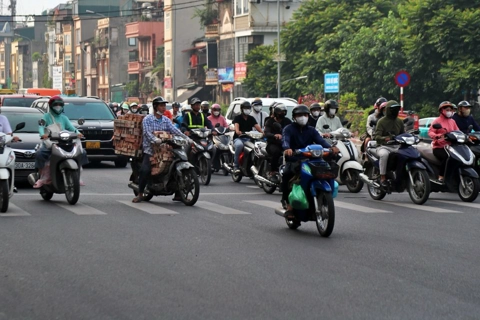
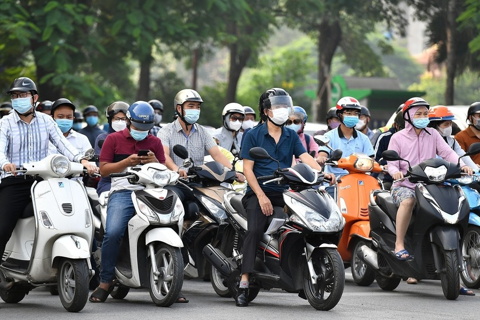
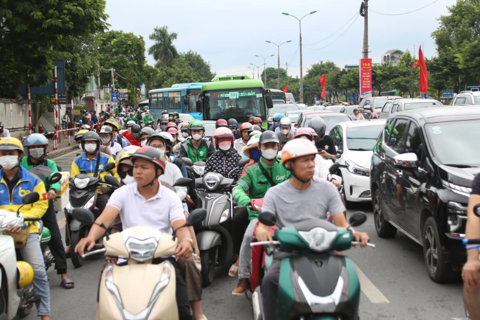
Motorbikes in Hanoi and Ho Chi Minh City will be required to undergo emissions testing from July 2027.
THE HANOI TIMES — Vietnam will need over 5,000 testing facilities, 5,000 emissions testing devices and a similar number of certified inspectors to test 70 million vehicles starting in major cities from July 2027.
Nguyen To An, Deputy Director of the Vietnam Register, told the media on January 29 that the inspection sector has just 18 months to prepare for the rollout of motorbike emissions testing.
In particular, motorbikes in Hanoi and Ho Chi Minh City will be required to undergo emissions testing from July 2027.
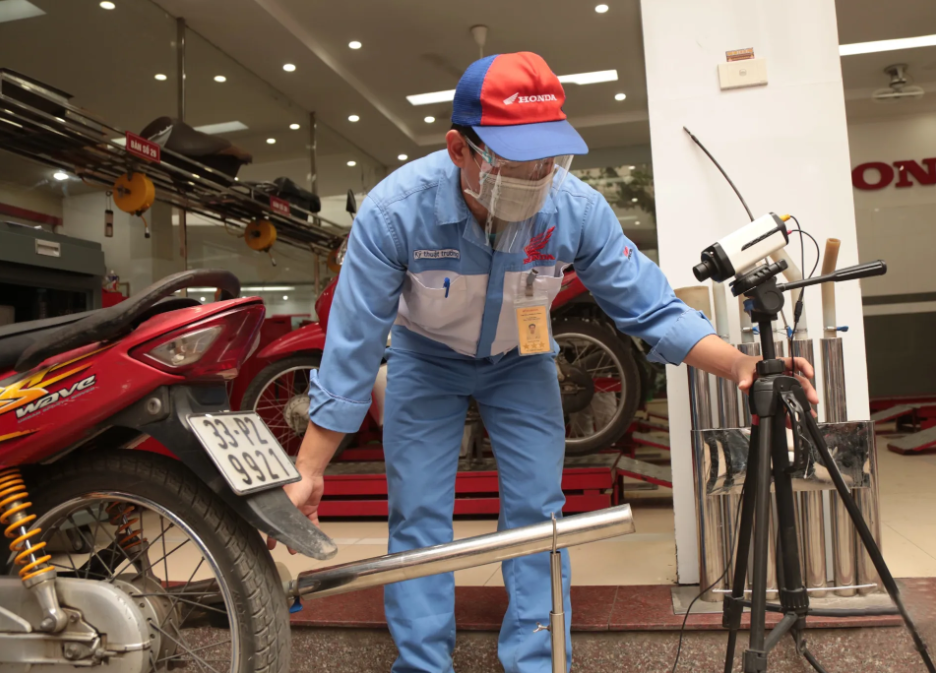
Motorcycle exhaust emissions inspection during maintenance in Hanoi. Photo: Hoang Hiep/The Hanoi Times
By 2028, all motorbikes in the two cities must comply with Level 2 standards, with carbon monoxide capped at 4.5% and hydrocarbons for four-stroke engines limited to 1,200 parts per million.
Meanwhile, emissions testing in other major cities, including Haiphong, Danang, Cantho and Hue, will begin from July 2028.
With more than 70 million vehicles involved, the country will require over 5,000 testing facilities, 5,000 emissions testing devices, and a similar number of certified inspectors.
Most of these facilities are expected to be developed by upgrading and utilizing motorbike maintenance centers operated by companies under the Vietnam Association of Motorcycle Manufacturers.
Alongside physical infrastructure, the Vietnam Register must also build a data system capable of managing information on more than 70 million motorbikes nationwide.
According to An, the agency is designing software that integrates artificial intelligence to manage data and support convenient and fast inspections for vehicle owners while limiting fraud and misconduct.
It has also proposed establishing the Vietnam Motor Vehicle Maintenance and Repair Association to improve service quality across the sector. As emissions controls tighten, demand for standardized maintenance procedures, proper technical practices, quality parts control and certified skills is expected to rise rapidly.
An added that vehicle technical safety cannot rely solely on periodic inspections. It requires a continuously operating ecosystem in which maintenance, repair, inspection and supervision are professionally organized and standardized.
Many developed countries have adopted models in which the state designs regulatory mechanisms while industry associations play a central role in professional standardization and service quality improvement.
Vietnam currently has more than 74.3 million motorbikes and 6.3 million cars. The Ministry of Agriculture and Environment said the phased introduction of motorbike emissions standards will help improve air quality and indirectly reduce healthcare costs and economic losses linked to air pollution related illnesses.