Vietnam rises in global real estate transparency index: JLL
Hanoi and Ho Chi Minh City have contributed to the country's higher rank in the 2020 index.
Vietnam has becomes a ‘semi-transparent’ real estate market for the first time, being listed among top 10 biggest improvers globally, according to JLL.
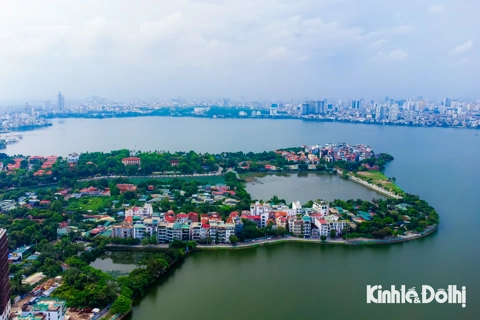
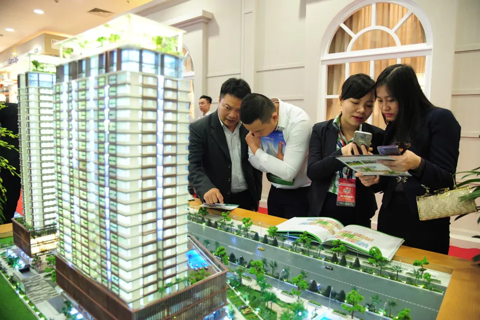
| Ho Chi Minh City is among cities contributing to Vietnam's higher rank in the 2020 Index |
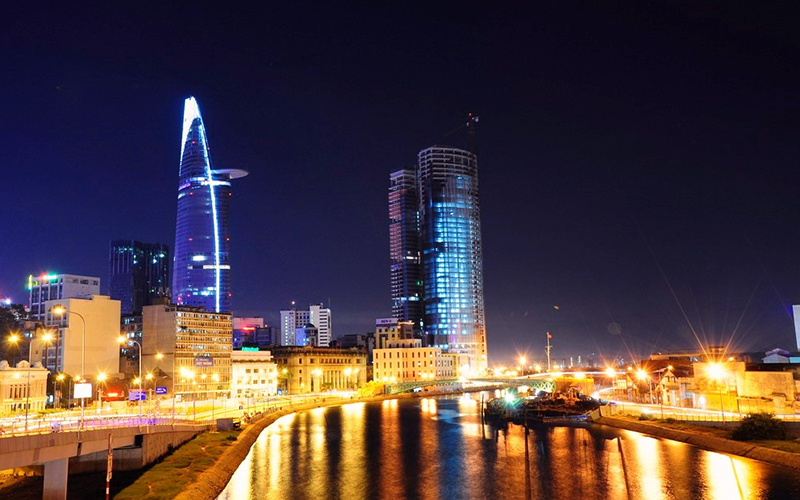
In JLL’s biennial Global Real Estate Transparency Index (GRETI) 2020, Vietnam’s position has been contributed by higher place of Ho Chi Minh City, the country’s largest market, said the leading professional services firm that specializes in real estate and investment management.
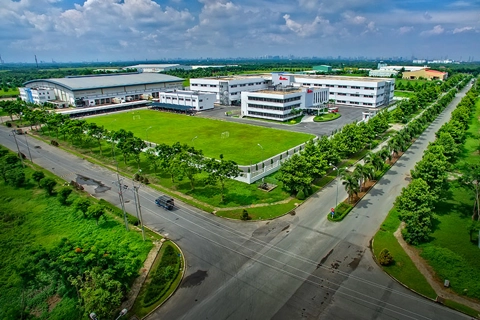
Stephen Wyatt, Country Head of JLL Vietnam, comments on the achievement “It is no surprise that Vietnam has moved from ‘Non-transparent’ to ‘Semi-transparent’ in our latest transparency index. Over the past 10 years, Vietnam has become a top destination for manufacturing in South East Asia and attracted significant Foreign Investment. Vietnam will need to continue improving rising up the rankings if it wants to attract more Foreign Investment.”
With the new rank, Vietnam is listed among six emerging Asia Pacific markets, the region of the greatest advancement in the Index, namely China (32nd), Thailand (33rd), India (34th), Indonesia (40th), Philippines (44th) and Vietnam (56th).
Launched by JLL and LaSalle since 1999, GRETI has been tracking real estate transparency and championing higher standards. This 11th edition of the GRETI covers 99 countries and territories, and 163 city regions.
This latest survey has been extended to quantify 210 separate elements of transparency, with additional coverage on sustainability and resilience, health and wellness, proptech and alternatives sectors.
Progress in many of Vietnam main cities, mostly Hanoi and Ho Chi Minh City, has pushed the country into a higher tier: ‘Semi-Transparent’, JLL emphasized.
The 2020 Index is launched at a time of massive economic and societal disruption where the need for transparent processes, accurate and timely data and high ethical standards are in closer focus.
The backdrop of Covid-19 is also ensuring that transparency within Asia Pacific’s real estate legal and regulatory systems is more important than ever to global investors, as they look to deploy approximately US$40 billion in dry powder capital into the region.
According to global property consultant JLL, pressure exists from investors, businesses and consumers to further improve real estate transparency to compete with other asset classes and meet heightened expectations about the industry’s role in providing a sustainable and resilient built environment in the age of Covid-19. Furthermore, innovative new property technology (proptech) is changing how real estate data is gathered and analyzed and influencing industry transparency at a regulatory level.
In both Asia Pacific and outside of the region, JLL’s research concludes that sustainability commitments have become the biggest single driver of real estate transparency globally since 2018.
An increased focus on corporate social responsibility and acknowledgement of the need to create sustainable buildings bring environment, social and governance (ESG) considerations into the mainstream.
Additionally, green building certification systems and energy efficiency standards are widespread in the region’s most transparent markets and the most improved national real estate sectors.
Another key driver of transparency is the volume of real estate market data now available due to the growing adoption of Proptech platforms, digital tools and “big data” techniques. Although real estate markets have historically faced challenges when implementing new technology, the Covid-19 pandemic is leading to an acceleration in new types of non-standard and high-frequency data – especially relating to health, mobility and space usage – being collected and disseminated in near-real-time.
“As the adoption of proptech and sustainability commitments continue to garner steam, greater transparency gains will be driven by both an evolving regulatory landscape and the collective actions by national real estate industries. With the outbreak of Covid-19, it will become even more crucial for the real estate industry to work collaboratively with local governments to achieve greater transparency and meet the changing expectations of investors as their appetites shift in accordance to the investment outlook over the next 12 to 18 months,” says Chris Fossick, CEO, JLL Southeast Asia.
The country’s strong economic prospects have drawn significant interest from both occupiers and investors, and that has led to increased competition and service offering from property management companies. While investment into commercial real estate has inevitably paused during the pandemic, the overarching trend toward rising allocations to this asset class will continue. As investors look to allocate more capital into real estate in this region, transparency becomes even more important, JLL noted.