14TH NATIONAL CONGRESS OF THE COMMUNIST PARTY OF VIETNAM
Log in
Property

Commune government given powers over housing and construction 

Starting this July, commune-level authorities will be able to grant permits to property projects within their jurisdiction.

THE HANOI TIMES — Starting July 1, commune-level People’s Committees will be granted new powers related to construction and housing projects under Decree No. 140/2025/ND-CP, which was issued by the government on June 12.
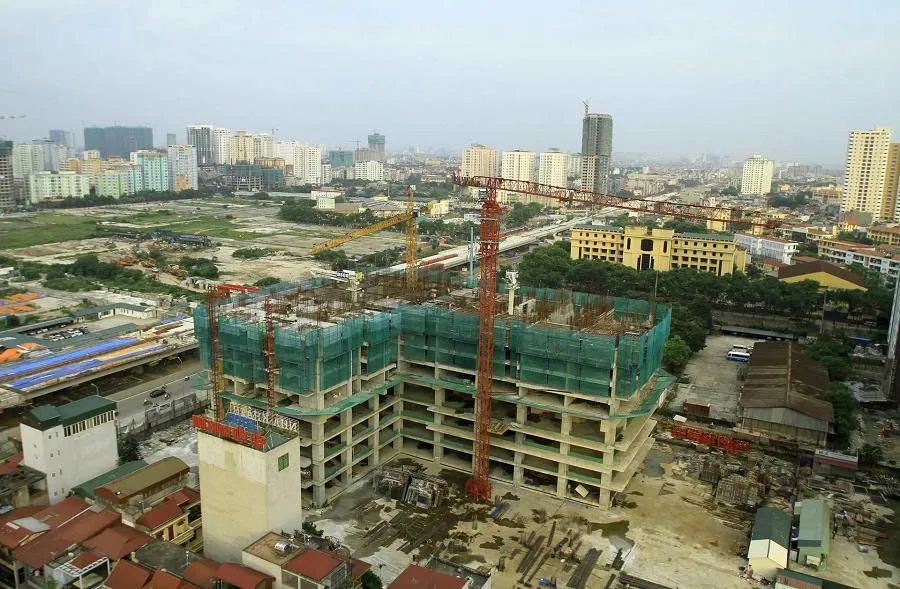
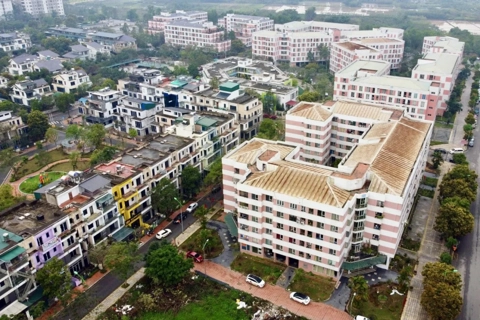
A property development under construction in Hanoi. Photo: Kinh te & Do thi Newspaper 

The decree outlines the responsibilities and authority of local authorities in the fields managed by the Ministry of Construction under the two-tier local public administration.

Specifically, it defines the scope of authority in construction activities, the housing and real estate business, architecture, urban development, technical infrastructure, and transportation.

All procedures and processes must comply with the amended 2014 Law on Construction and Government Decree No.175/2024/ND-CP.

Under the new regulation, commune-level authorities are responsible for licensing and approving construction sites for projects within their jurisdiction.

They will also receive and review applications for social housing purchases, rentals, and lease-purchases submitted by resettled individuals.

These authorities will verify eligibility and compile lists of households and individuals who qualify for social housing.

Land registration offices, with their branches located in communes or inter-commune areas, will verify individuals named on land use rights certificates or property ownership documents.

The decree gives commune-level People’s Committees and Departments of Agriculture and Environment the authority to evaluate housing status, income levels, and eligibility for preferential loans.

Decisions regarding funding for such loans will be made by commune-level People’s Councils and can come from local housing development funds (if available), annual local budgets, bond proceeds, and other lawful sources.

Commune-level chairpersons are also authorized to set up enforcement teams to take back social housing in cases of violations.

These teams will be led by a People’s Committee chairman or vice chairman and include representatives from the inspection, construction, justice, and natural resources departments, as well as project investors and management boards.

The Vietnam Fatherland Front at the commune level will oversee the enforcement process. The commune-level People’s Committees are responsible for handling complaints related to enforcement actions, approving enforcement plans, and allocating the necessary budget.

In addition, commune-level authorities will carry out state management functions related to real estate business operations.

Decree No. 140/2025/ND-CP will take effect on July 1, 2025, and remain in force until March 1, 2027.

Reactions:
Share:
Trending
Most Viewed
Related news
Infrastructure plans fuel surge in Hanoi suburban land auctions

Infrastructure plans fuel surge in Hanoi suburban land auctions

Surging land auctions in Hanoi’s outlying communes, marked by sharply higher winning bids, point to returning capital and renewed confidence, while also stirring debate over speculation risks and whether prices truly reflect long-term demand and market fundamentals.

Tet renovation rush strains Hanoi crews, lifts finishing material costs prices

Tet renovation rush strains Hanoi crews, lifts finishing material costs prices

Hanoi’s home renovation market has entered its busiest stretch of the year, as year-end demand tightens contractor availability and raises the cost of finishing materials.

Vietnam construction materials rebound as prices rise and public investment accelerates

Vietnam construction materials rebound as prices rise and public investment accelerates

Rising steel and cement prices, stronger public investment spending and improving consumption across key material segments point to a broad recovery in Vietnam’s construction materials sector as 2026 begins.

Hanoi sets 40 sq.m housing space goal to lift urban living standards

Hanoi sets 40 sq.m housing space goal to lift urban living standards

Raising average housing space marks a people-centered shift in urban policy as the capital works to improve living standards, expand social housing and ensure that rapid economic growth goes hand in hand with safer and more livable neighborhoods.

Prime Minister urges measures to boost supplies and control house prices

Prime Minister urges measures to boost supplies and control house prices

Vietnam’s government is stepping up efforts to rebalance the real estate market as Prime Minister Pham Minh Chinh urges faster policy action to expand housing supply, address affordability pressures and ensure the sector supports both economic stability and social welfare.

Ho Chi Minh City forms first professional association for apartment management

Ho Chi Minh City forms first professional association for apartment management

Amid rapid urban growth, Ho Chi Minh City has established a professional body for apartment management, becoming the first locality in Vietnam to do so.

Real estate credit surge prompts tighter oversight to safeguard Vietnam’s financial stability

Real estate credit surge prompts tighter oversight to safeguard Vietnam’s financial stability

Vietnam’s real estate sector has absorbed a sharp rise in credit, supporting market recovery while raising concerns over capital concentration, speculative risks and the need for tighter policy coordination.

Revised housing roadmap doubles social housing targets for Hanoi

Revised housing roadmap doubles social housing targets for Hanoi

Vietnam’s push to accelerate affordable housing has significantly raised expectations for major cities, with Hanoi now tasked with delivering a far larger volume of social homes as part of the national goal to build more than one million units by 2030.