From recovery to competitiveness: Vietnam tourism enters a new growth phase
Vietnam tourism is gradually leaving behind the label of beautiful, cheap and crowded, reshaping itself as a living heritage open to the world, where identity is conveyed through genuine experiences rather than promotional slogans.
THE HANOI TIMES — The year 2026 has been identified as a decisive year for Vietnam tourism to move beyond recovery and enter a new phase of growth built on competitiveness, sustainability and clear positioning.

The year 2026 is pivotal for Vietnam's tourism ahead of APEC 2027, a major opportunity to elevate Vietnam’s international standing and promote its tourism image worldwide. Photo: Kinh te & Do thi Newspaper
After strong results in 2025, when Vietnam ranked among the world’s fastest-growing tourism destinations and welcomed more than 20 million international visitors, the government has set ambitious goals for 2026, targeting 25 million international arrivals and 150 million domestic trips.
At a government meeting earlier this week, Deputy Prime Minister Mai Van Chinh said the priority is no longer restoring momentum but reshaping the industry for long-term growth.
“Tourism must shift decisively from a recovery mindset to one focused on competitiveness, quality and sustainability,” he stressed while chairing a meeting of the State Steering Committee for Tourism.
In particular, preparations for APEC 2027, a major opportunity to elevate Vietnam’s international standing and promote its tourism image worldwide, place special weight on 2026, requiring early upgrades in infrastructure, services and destination management to make the country a high-quality and competitive destination.
To turn targets into reality, Chinh called for high determination, decisive action and practical effectiveness, with immediate attention to bottlenecks that continue to constrain development.
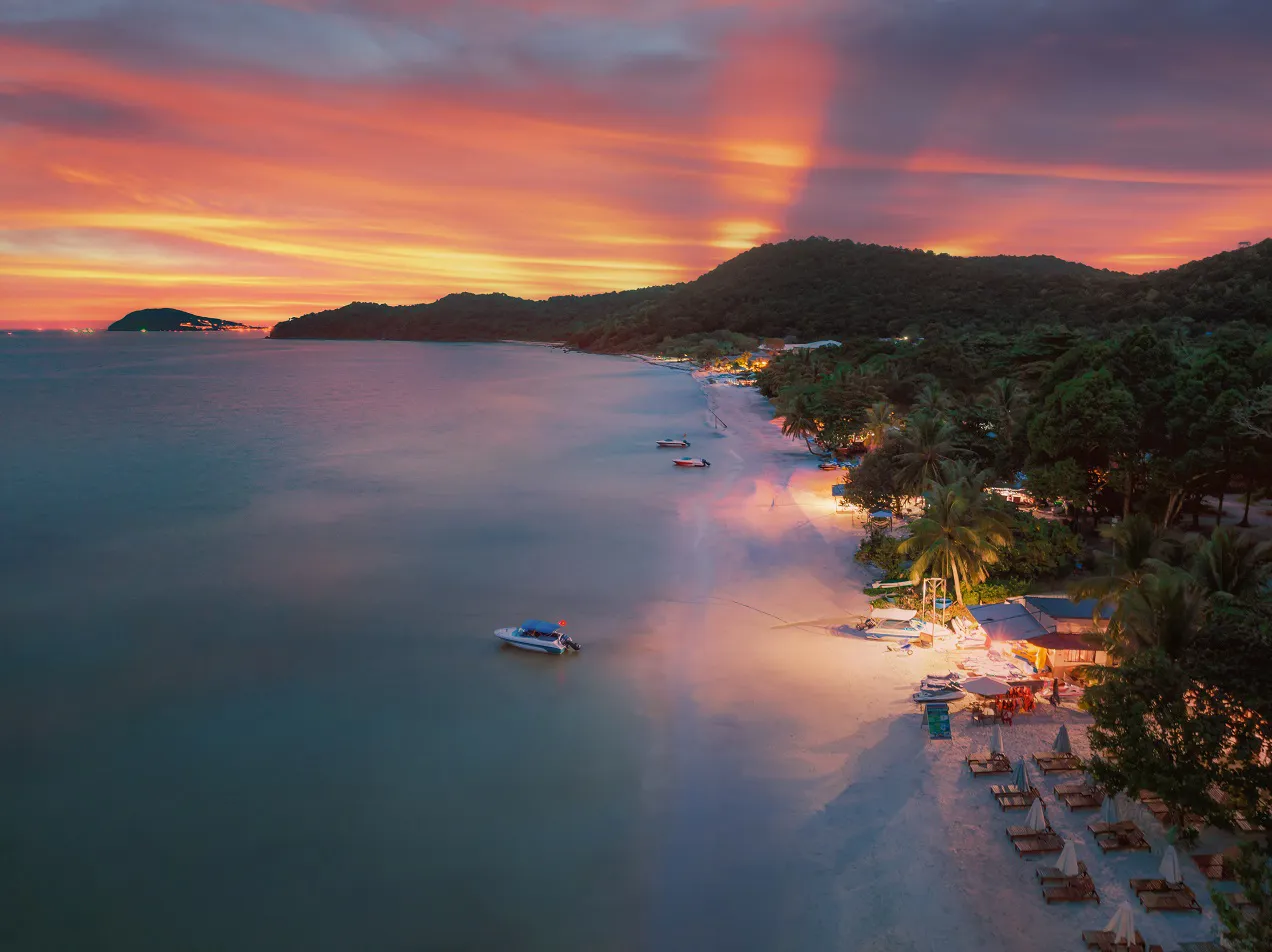
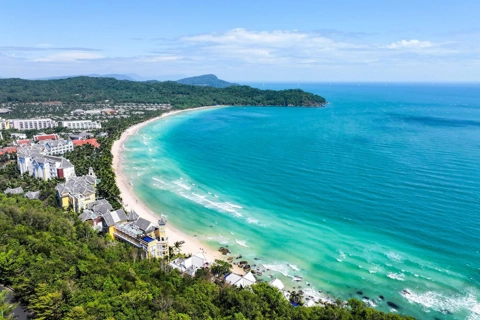
Phu Quoc, Vietnam's largest island will be the venue of APEC 2027. Photo: VNA
From volume to value
Vietnam tourism is repositioning itself toward higher value segments as a core strategy to improve growth quality and strengthen international competitiveness.
The deputy prime minister has directed the Ministry of Culture, Sports and Tourism to lead a comprehensive restructuring of tourist markets and product systems in coordination with ministries, sectors and localities.
The focus will be on developing premium offerings with high-added value, such as green tourism, wellness tourism, MICE (Meetings, Incentives, Conferences, and Exhibitions) and golf tourism.
Attracting visitors with higher spending power and longer stays is seen as a key lever to raise economic efficiency across the sector.
To support this transition, the government has called for a review of the 2017 Tourism Law and related regulations to remove outdated provisions and create a more open and enabling legal framework.
In addition, it needs breakthrough policies to address institutional and resource bottlenecks while promoting innovation, digital transformation and green transition.
At the same time, the national tourism system plan for 2021-2030 with a vision to 2045, will be adjusted to align with new administrative arrangements and open up fresh development space.
Meanwhile, improving entry conditions for international visitors remains a central priority. The Ministry of Public Security has been tasked with refining e-visa procedures and speeding up immigration control at border gates.
Additionally, more open visa policies, including expanded unilateral exemptions for major and high-potential markets, are under study.
The Ministry of Foreign Affairs will strengthen international communication on visa policies and review regulations to facilitate overseas tourism promotion, while tourism activities will also be integrated into trade promotion programs and international fairs by the Ministry of Industry and Trade.
Concerning infrastructure, the priority will be given to strategic transport networks and direct connections to key tourism destinations to ensure modern, integrated and convenient access.
Local authorities are encouraged to adjust planning, strengthen regional linkages and expand public-private partnerships while attracting strategic investors into high-end resort and entertainment complexes.
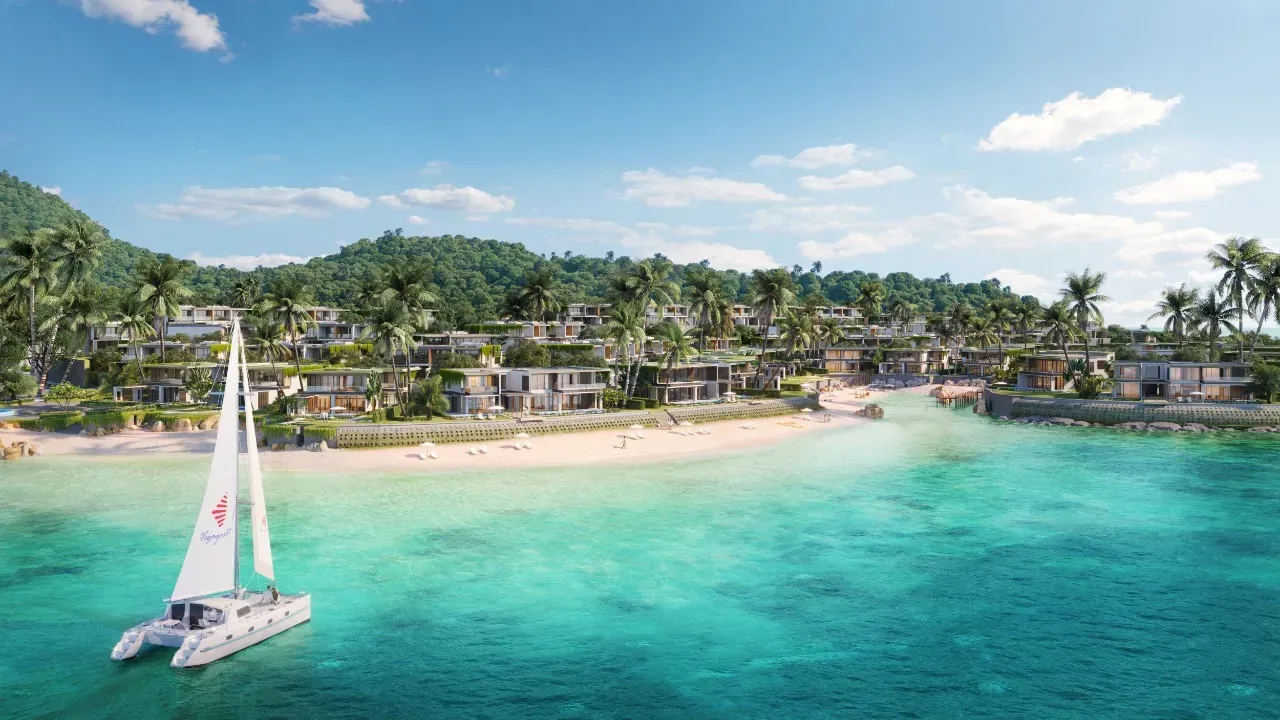
Nha Trang in central Vietnam has world-class beaches. Photo: Trung Nhan/The Hanoi Times
Defining a new identity
As targets rise and competition intensifies, Vietnam tourism is entering a stage where identity and quality matter more than sheer volume, according to Dr Trinh Le Anh at the University of Social Sciences and Humanities under Vietnam National University - Hanoi.
Sharing with The Hanoi Times, he said 2026 will be pivotal in shaping the image of “Vietnam: Living Heritage Open to the World.”
He said a quantity-driven model can no longer sustain growth amid global uncertainty and rising regional competition. The next phase requires a full shift from quantity-led expansion to quality-led development with destination governance and service standards at the core.
Only well-managed destinations offering distinctive and sustainable experiences can maintain momentum as global tourism recovery slows.
Vietnam tourism is also expected to move beyond a traditional service role and evolve toward a creative industry.
Accordingly, tourism is becoming a market platform for cinema, music, cuisine, design, crafts and performing arts, helping destinations move past the race of beautiful scenery at low prices toward experiencing emotion and storytelling.
This transition rests on three pillars, namely product development centered on experience and storytelling, destination governance based on an integrated ecosystem approach and strong national storytelling that presents Vietnam as both rich in identity and contemporary.
Meanwhile, several bottlenecks exposed in 2025 need urgent attention in 2026, including congestion at transport gateways, peak-season overcrowding, weak service standards, incidents that undermine tourist trust and rising environmental and climate pressures.
Therefore, addressing these issues means moving from welcoming as many visitors as possible to operating destinations effectively.
“When mobility is smooth, services are standardized and the environment is protected, value will grow naturally through higher spending, longer stays and stronger return rates,” Le Anh stated.
He noted that in an increasingly competitive global market, Vietnam tourism is moving beyond the image of beautiful, cheap and crowded, toward a positioning as a living heritage open to the world, defined by real experiences rather than slogans.
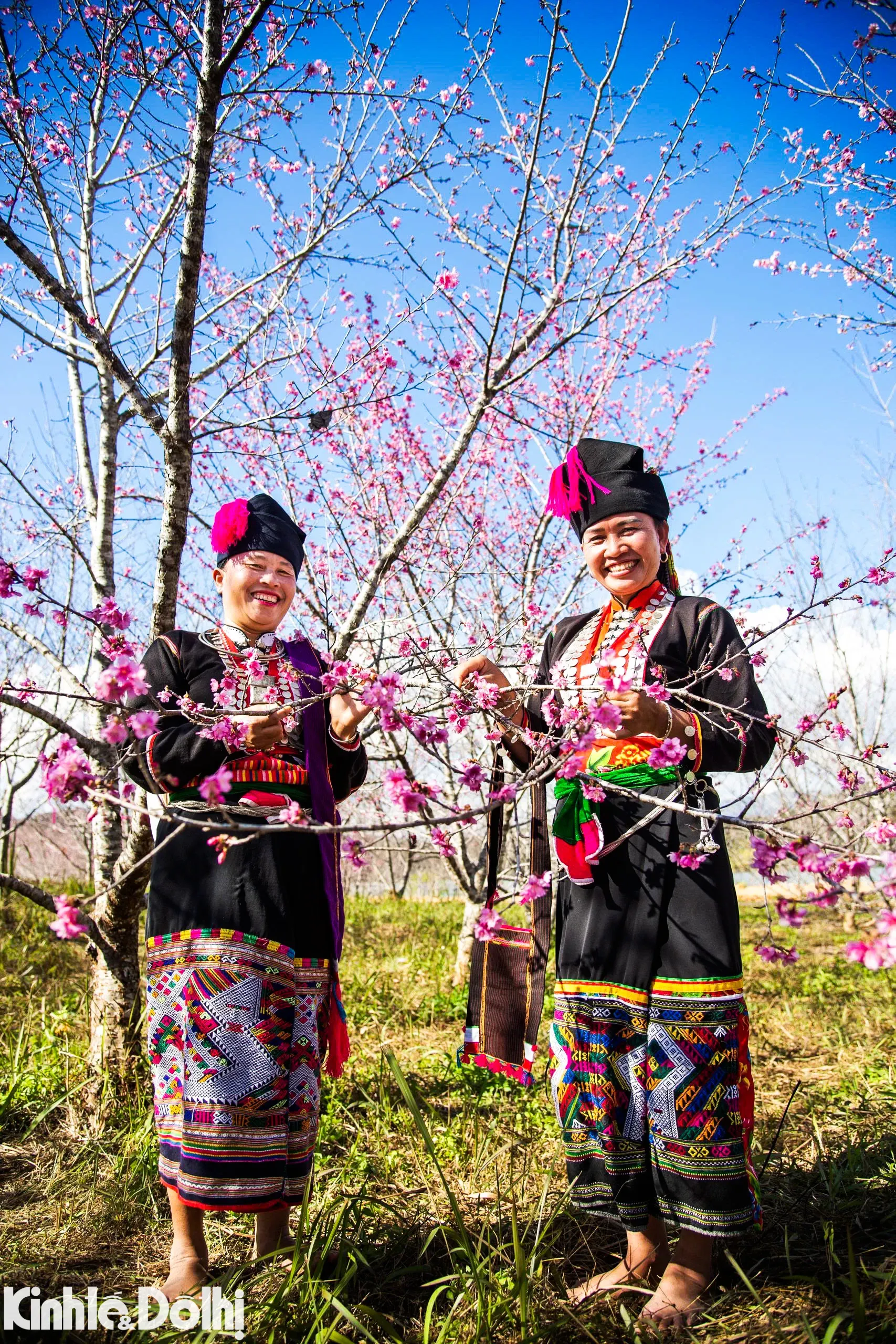
Locals in Vietnam's the northern province of Dien Bien in cherry blossom season.