Hanoi and France join hands to restore Long Bien Bridge, a century-old icon
Having contributed to the first study on the bridge 20 years ago, Artelia Vietnam project director Pierre-Yves Guarini see Long Bien Bridge as an “old friend.”
THE HANOI TIMES — Hanoi Government and French construction firm Artelia are working on a project to renovate the century-old Long Bien Bridge.
Project director Pierre-Yves Guarini speaks to The Hanoi Times about suggestions on how to restore this historic structure and preserve its heritage values.
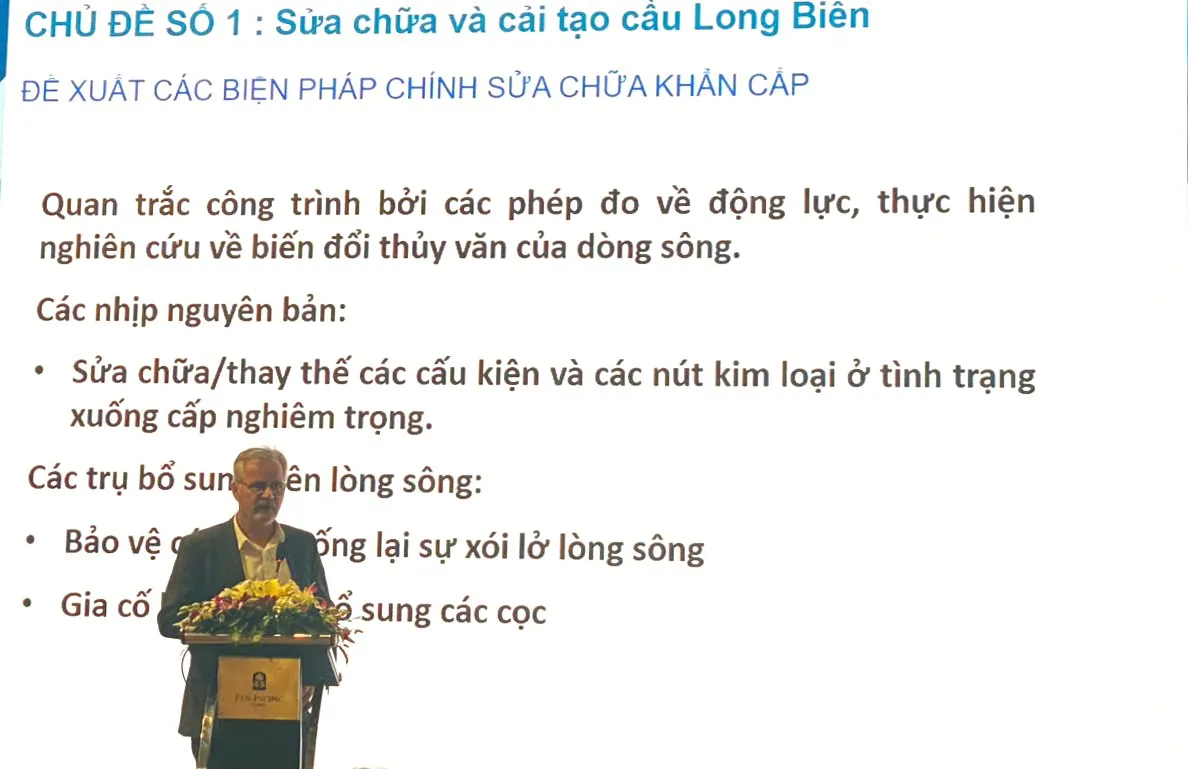
Artelia Vietnam project director Pierre-Yves Guarini speaks at an international worshop on Long Bien Bridge renovation on September 16 in Hanoi. Photo: Tu Anh/The Hanoi Times
What is the current condition of Long Bien Bridge? What are the solutions to repair it?
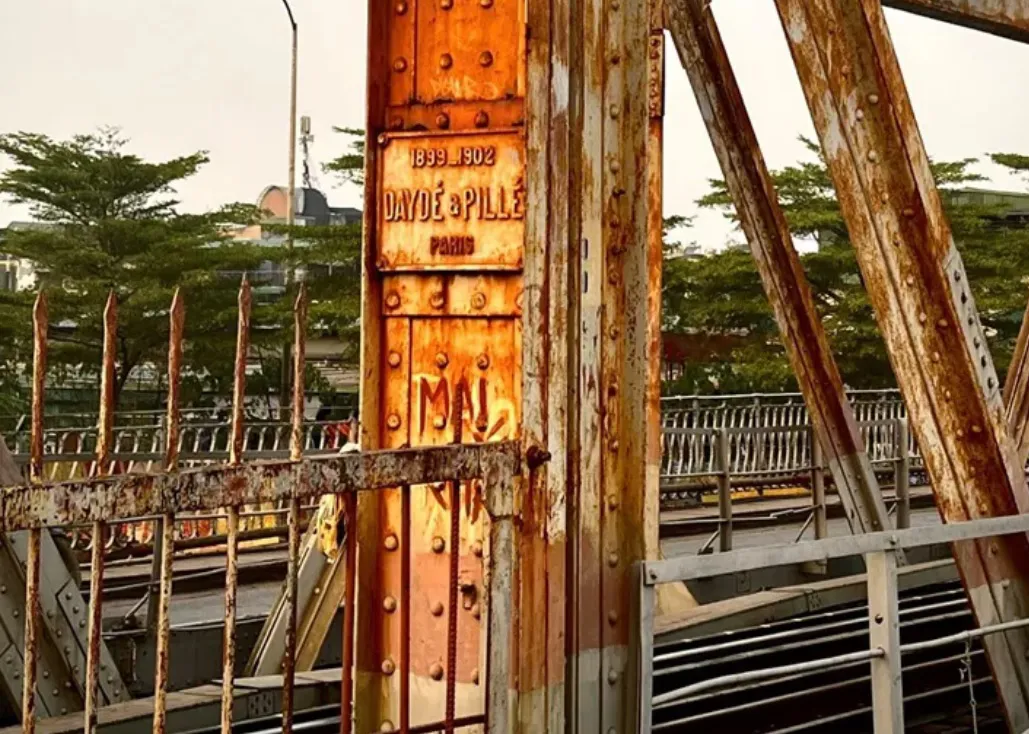
Detailed inspections show the bridge is in urgent need of restoration. While many parts require repair, the most critical issue lies in the piers. Several steel girders are also heavily corroded and must be fixed immediately.
The renovation will focus on the spans originally built by the French. The aim is to repair and reinforce the most damaged sections so the bridge remains safe and continues to serve its functions.
According to the Hanoi People’s Committee, the plan calls for replacing all old spans, except for two that will be preserved for their heritage value. This approach is intended to restore the bridge’s original appearance from the time of its construction.
The long-term project also requires building two movable spans to improve waterway traffic on the Red River.
What are the major technical challenges? What innovative solutions are proposed to preserve the bridge’s structure and ensure safety?
Renovating Long Bien Bridge presents several major challenges.
First, it is a historic structure with a complex, aging design. Restoring it requires extensive work while keeping part of the railway in operation and minimizing service disruptions.
Second, reinforcing the piers without stopping traffic is difficult. Once an alternative route is built, traffic must be suspended to rebuild the bridge across the Red River. For such a large structure, this is a highly complex task.
Among the innovative solutions, the most demanding is the integration of two movable spans. This new feature must be able to serve trains, pedestrians, and motorcyclists while allowing river traffic to pass safely. All parts must work together to ensure both railway and waterway safety.
How can the heritage value of Long Bien Bridge be preserved while meeting Hanoi’s transport needs?
The bridge’s heritage will be preserved in several ways. Most of the historic spans will be retained and reinforced so they can continue to function.
Two spans added during wartime will also be kept as witnesses to history, symbolizing the bridge’s resilience during conflict. The new spans replacing those across the Red River will follow the original architectural style of the Paul Doumer Bridge, now known as Long Bien.
How will the renovation continue preserving the historical and cultural values of Long Bien Bridge?
One of the main goals is to preserve the bridge’s appearance and unique architecture with its long spans.
Long Bien Bridge is a beloved landmark for Hanoi’s people, and the project seeks to ensure it remains an enduring architectural presence in the city’s landscape.
In the future, additional projects may further integrate the bridge into Hanoi’s cultural and economic life, though such plans will depend on the authorities.
What is the role of cooperation between the Vietnamese Government, international experts and financial partners in ensuring the success and sustainability of the project?
The financial and organizational aspects are still being discussed between the French and Vietnamese governments.
The people of Hanoi are deeply attached to the bridge, and the French share this sentiment.
I personally contributed to the first study on the bridge 20 years ago and consider it an old friend. I hope financial matters will soon be resolved so the project can begin.
Thank you for your time!
|
Long Bien Bridge was built in 1902 during the French colonial and originally named after Paul Doumer, Governor-General of French Indochina. It was designed by French engineering firm Daydé & Pillé. Now, the bridge is a reminder of French technological innovation at that time. Under the guidance of French experts, more than 3,000 Vietnamese workers took on the challenge of building the bridge, using up to 30,000 cubic meters of stone and metals, including 5,600 tons of rolled steel, 137 tons of pig iron, 165 tons of iron and seven tons of lead. The total cost of the bridge at the time was up to 6.2 million French francs (US$70 million today). Severely damaged during wartime, it has since undergone repairs and remains a key landmark in Hanoi. In 2022, Hanoi authorities and French experts began drafting a renovation plan. On July 24, 2024, the city signed a cooperation agreement with Artelia Consulting to ensure traffic safety, preserve the bridge’s heritage, and explore future functions. The project includes a full structural survey using modern technology and proposals for short-term restoration. |
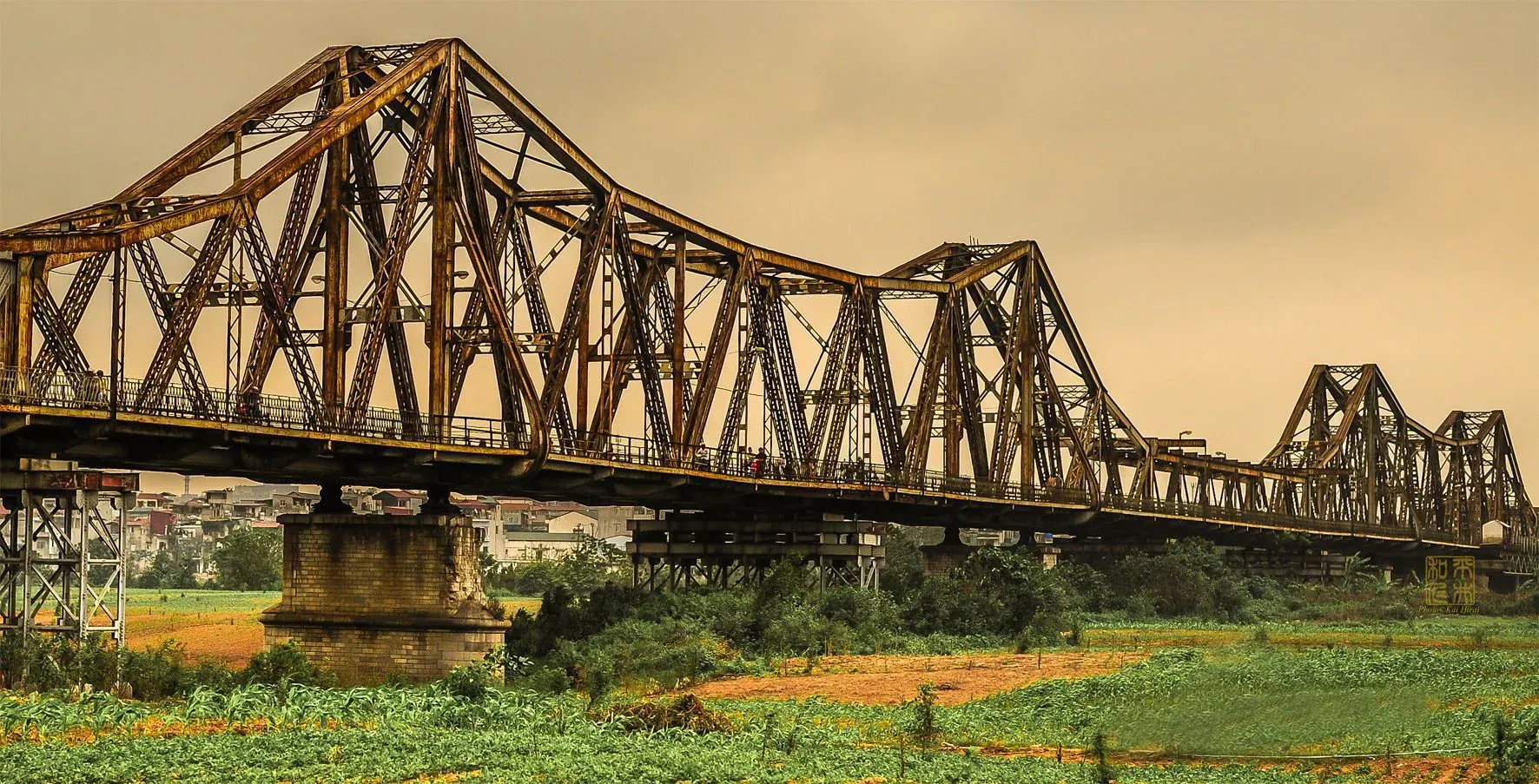
Long Bien Bridge. Photo: Viet Dung/kinhtedothi.vn