Prime Minister targets US$100 billion for Vietnam’s farm exports
As Vietnam pursues long-term development goals, it must harness science and innovation to boost exports and expand its agricultural footprint beyond borders.
THE HANOI TIMES — Prime Minister Pham Minh Chinh has called for a push in science, innovation and digital transformation to lift Vietnam’s agricultural exports to US$100 billion and move toward exporting the entire agriculture sector through overseas investment, farming and processing.
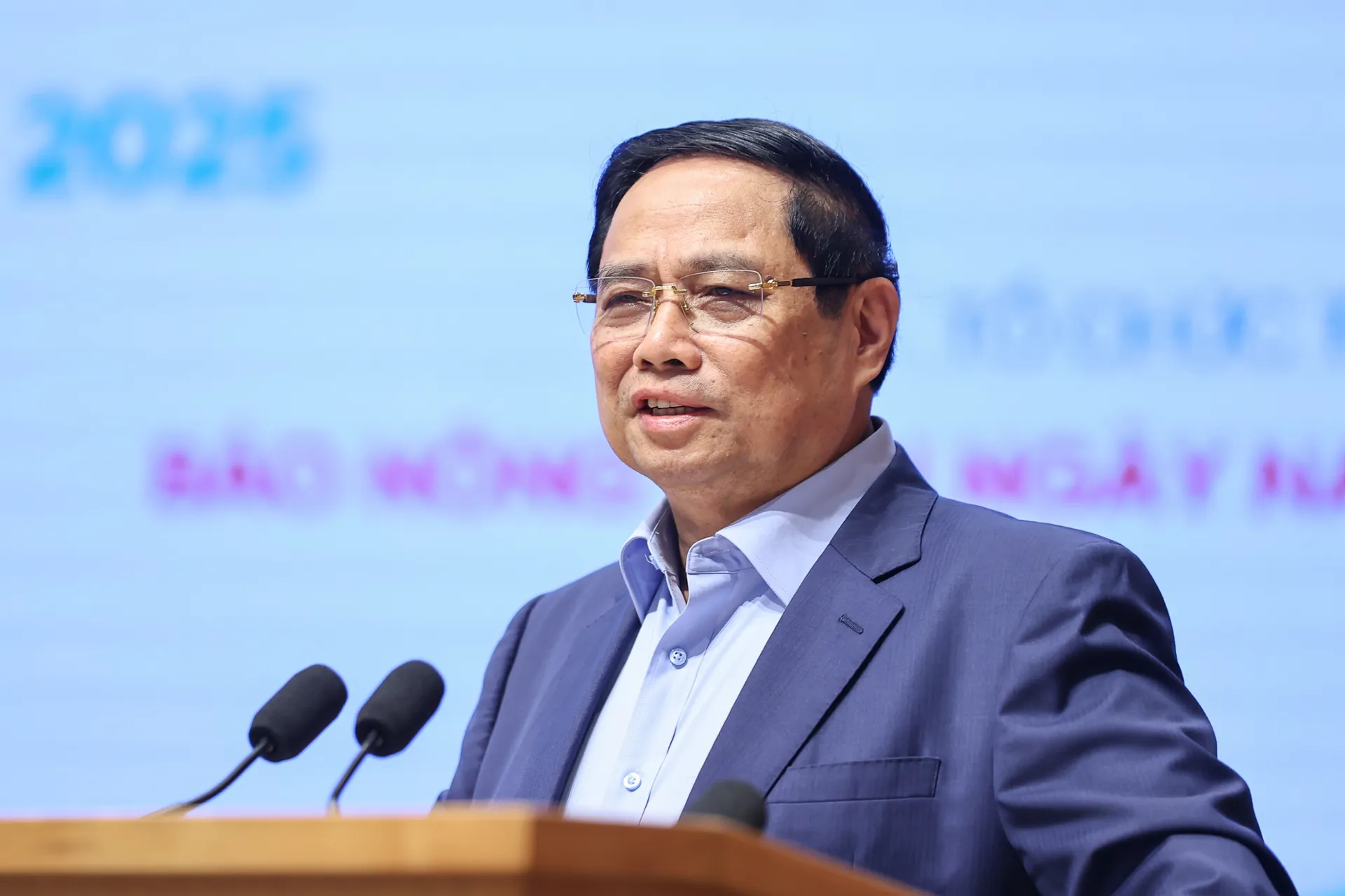
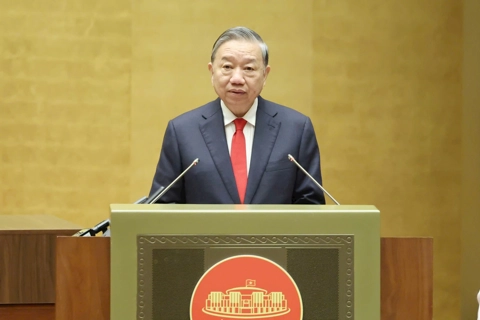
Vietnam's Prime Minister Pham Minh Chinh speaks at the conference in Hanoi on December 10. Photo: Nhat Bac/VGP
He was speaking at the 2025 National Farmers’ Dialogue on December 10 which gathered leaders from 34 provinces and cities, central ministries and nearly 150 exemplary farmers and cooperatives.
Ahead of the conference, the government received more than 5,000 questions and proposals highlighting expectations for breakthroughs in technology, credit, digital infrastructure, logistics and market connectivity.
Agriculture remains anchor for the economy
Chinh said that agriculture has underpinned the national economy for four decades, helping maintain macro-stability, ensuring social order and elevating the reputation of Vietnamese farm products globally.
The agriculture and rural sector employs 29% of the workforce yet generates roughly 15% of the national GDP.
For that reason, the dialogue was constructive and ministries were asked to fully absorb farmers’ recommendations.
Delegates at the event argued that as Vietnam pursues long-term development goals, the country must lean on scientific advances and innovation, which are critical for expanding exports and developing agriculture beyond national borders.
Do Ha Nam, Chairman of Intimex Group and the Vietnam Food Association, said Vietnam’s rise to the world’s top three agricultural producers stems from land rights for farmers, market-opening reforms and export-oriented policies, which have driven prices of key crops and improved rural incomes.
Sharing another idea, Vietnam Farmers’ Union President Luong Quoc Doan said that farmers expect more robust policies to integrate technology into production, expand credit access and strengthen value-chain linkages to improve product value.
Addressing the event, the prime minister reiterated the foundational role of agriculture, farmers and rural areas across all development phases, with a focus on the acceleration of science, innovation and digital transformation in line with recent Party resolutions.
Accordingly, upgrading strategic infrastructure, especially transport, is essential to cut logistics costs and enhance competitiveness.
Meanwhile, Vietnam must persue market expansion by leveraging the country’s network of 17 free trade agreements and encouraging Vietnamese enterprises to invest in agriculture abroad.
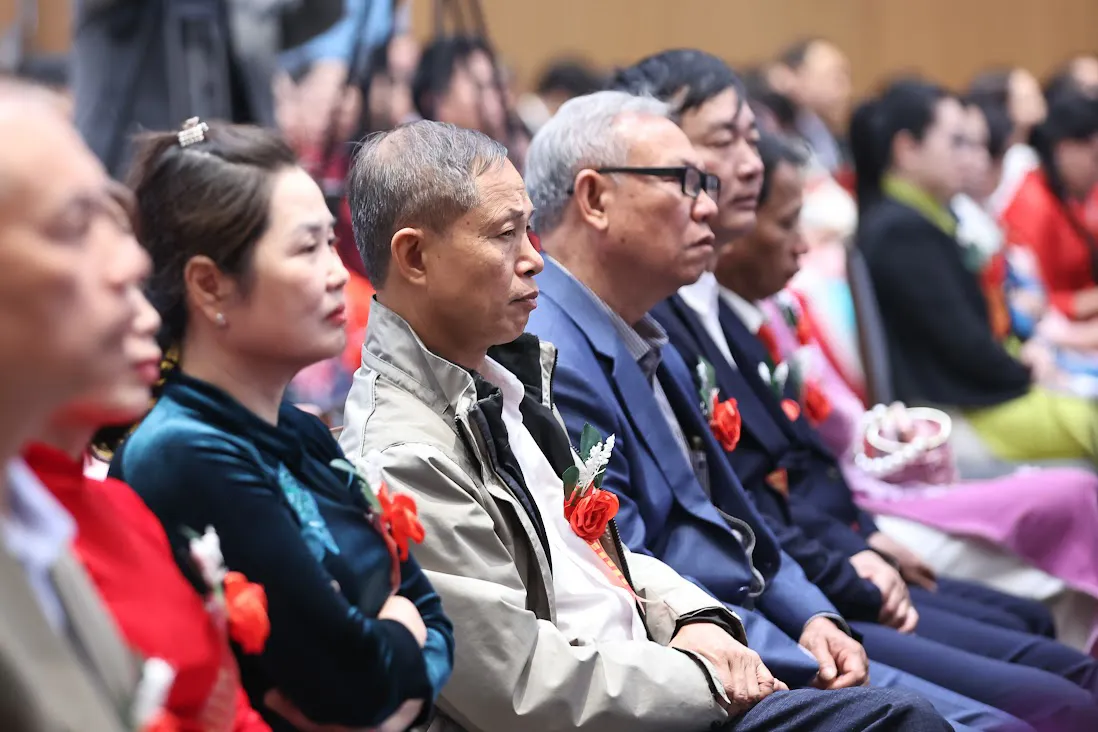
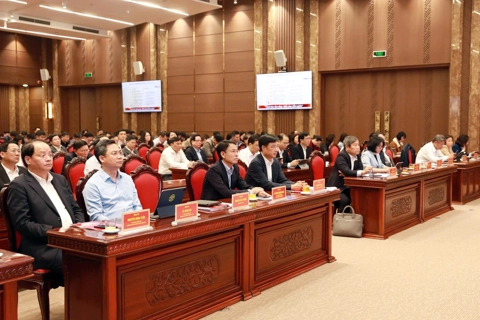
Representatives at the meeting. Photo: Nhat Bac/VGP
Sharing the ideas, representatives of different ministries said that the sector needs to maintain sustainable development that requires greener production practices, wider adoption of circular economy models, improved food safety and stronger traceability systems.
Developing high-quality human resources will be vital for a more modern agricultural sector, as it plays a key role in deeper value-chain integration among domestic companies and foreign partners.
They also highlighted the need to mobilize a broader mix of resources, including the public-private partnerships (PPP) investment, private capital and green credit.
The strategy also includes enhancing climate resilience, boosting forecasting capacity and strengthening post-disaster recovery, requiring ministries to deliver post-disaster assistance such as seeds, essential inputs, debt restructuring and market restoration measures.
Closing the gap between research and real-world needs
Farmers at the event reported a persistent disconnect between laboratory research and practical application.
In fact, many remote areas still struggle with inadequate electricity supply and weak mobile coverage, hampering progress in digital transformation. Farmers’ incomes also remain exposed to natural disasters, disease outbreaks and market fluctuations.
In this regard, the representatives called for improved land and credit policies, stronger agricultural insurance and the development of an insurance market that can shield farmers from climate risks, price volatility and crop losses.
They stressed that support programs must be tailored to the specific needs of each region and sub-sector.
At the conference, technology, credit and digital infrastructure dominated discussions. Delegates highlighted the need to accelerate technology transfer, expand access to credit and tax incentives and upgrade digital infrastructure to unlock new markets.
Pham Thi Ly, who was named Farmer Scientist 2024, proposed demonstration models and closer collaboration among researchers, extension services and the Farmers’ Union.
From the northern province of Lang Son, Vuong Thi Thuong, Director of Toan Thuong Farm Produce Cooperative, pointed to limited internet coverage and high logistics costs as barriers to online sales, calling for an e-commerce platform specifically designed for farmers.
Meanwhile, a delegate from Hanoi – Pham Duc Trong, Head of the Thu Lam Farmers’ Union, recommended tax and credit support for cooperatives investing in high-tech agriculture and creating “high-tech agricultural villages”.
Le Tuan Anh, Director of Than Uyen Agricultural, Industrial and Commercial Tourism Cooperative, urged stronger regional cooperation tied to digitalisation, green agriculture and circular production models.
Nguyen Thi Tram, an excellent farmer from the northern province of Bac Ninh suggested establishing a credit fund for high-tech investments and developing dedicated agricultural industrial zones.
Meanwhile, Nguyen Van Minh, Deputy Director of BAF Vietnam Agriculture JSC, proposed piloting smart high-rise pig farming, expanding green credit and promoting local manufacturing of agricultural equipment.
Hung Nhon Group’s Chairman Vu Manh Hung, however, emphasized deeper partnerships with foreign-invested firms and noted the company is preparing Vietnam’s first chicken exports to the Netherlands in 2026.
For better agricultural development, Prime Minister Pham Minh Chinh called on farmers to drive innovation by embracing new technologies, advancing green transformation and contributing ideas to refine institutions and improve the business climate.
The prime minister encouraged farmers to lead in agricultural start-ups, strengthen value-chain management and proactively seek access to capital, land and markets while building competitive brands.
Chinh said Vietnam aims to cultivate a new generation of farmers characterised by intellect, creativity, digital readiness, mastery, resilience, leadership, ambition and a spirit of contribution.
He urged all levels and sectors to adopt the “three forms of support” for farmers in science, technology and digital transformation by providing knowledge and technology transfer, improving policies that expand jobs and livelihoods, and strengthening market access, product consumption and agricultural branding.
"A new-generation farmer, defined by intellect, creativity and digital readiness, will be central to building a prosperous agriculture, lifting Vietnam’s farm products globally and shaping modern, civilized rural communities with higher living standards," said Chinh.
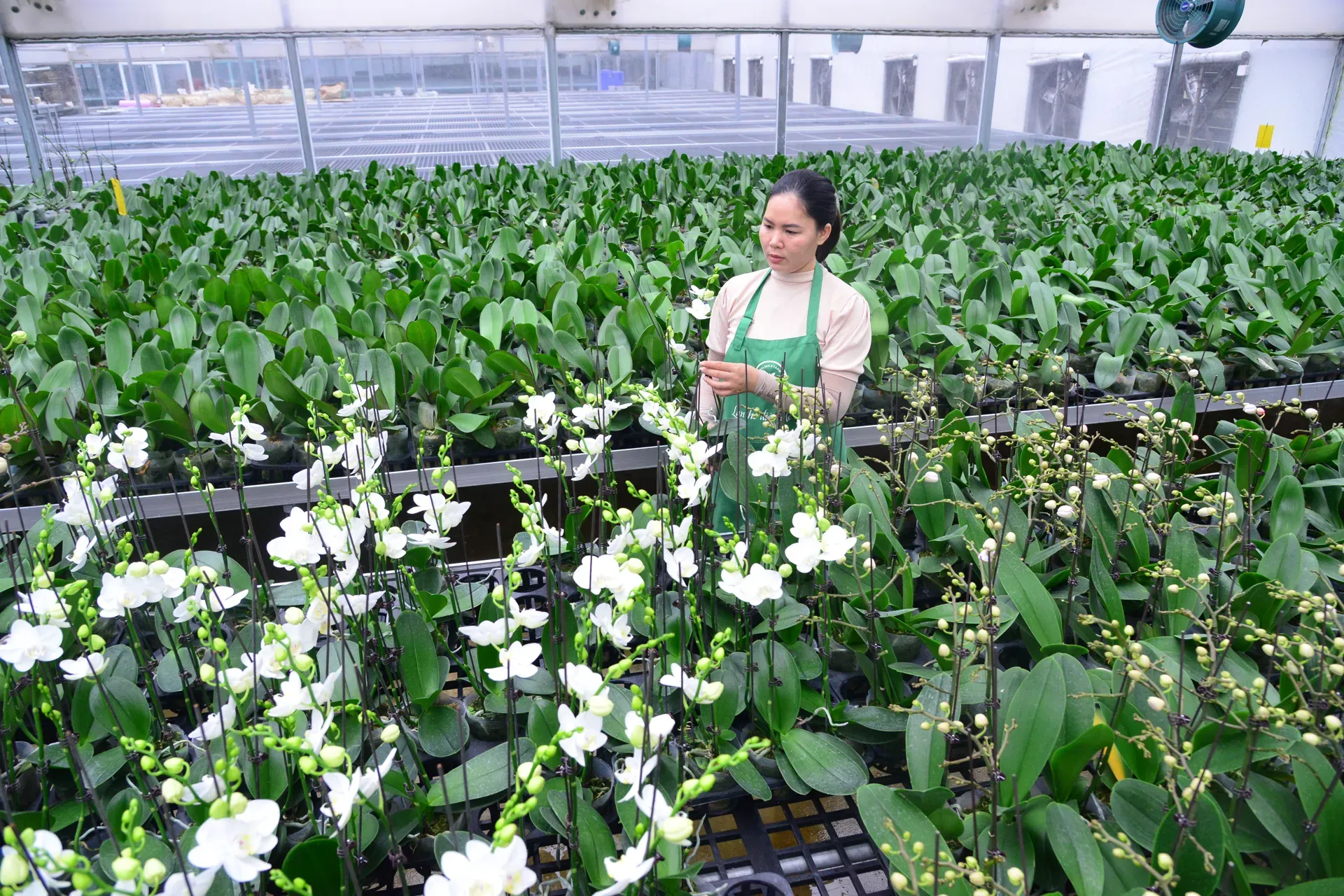
Inside an orchid farm in Me Linh Commune, Hanoi. Photo: Pham Hung/The Hanoi Times