Vietnamese Government set to revise Land Law 2024
Land legislation still presents shortcomings and remains inconsistent with the two-tier local government model and the country’s development objectives in the new era.
THE HANOI TIMES — The government will propose revisions to Resolution 18 to amend the 2024 Land Law and address persistent issues in land recovery, land finance, and price control.
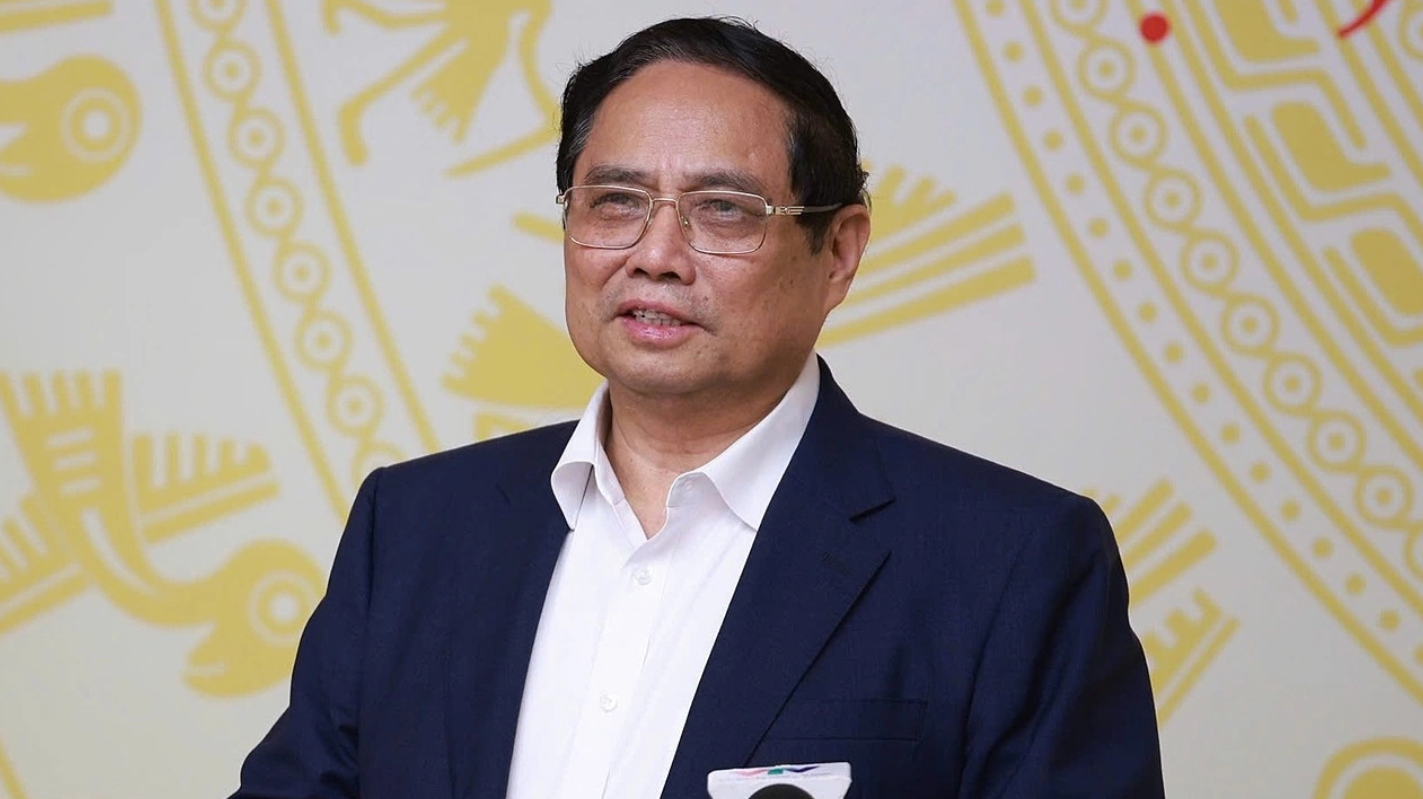
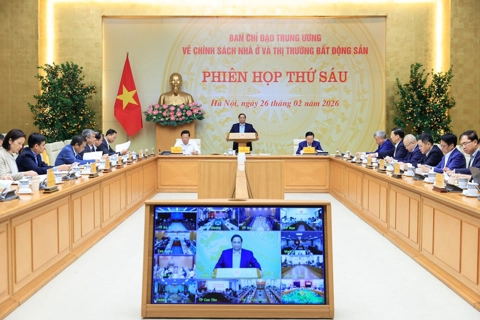
Prime Minister Pham Minh Chinh at the conference on July 10. Photo: VGP
Prime Minister Pham Minh Chinh announced this plan while chairing a conference on July 10 to review the implementation of Resolution 18 on land management over the past three years and the enforcement of the 2024 Land Law over the past year.
At the meeting, Chinh noted that these policies have yielded positive results.
"Land-related legislation has gradually taken root in society, helping to resolve long-standing issues, enhance state governance, and contribute to socioeconomic development, as well as national defense and security," Chinh said.
He added that land policies have also helped strengthen public, business, and investor confidence. However, land recovery policies still discriminate between publicly and privately funded projects. The procedures for land recovery, compensation, support, resettlement, land allocation, land leasing, and land use conversion are still lengthy and inefficient.
In addition, key financial land policies under Resolution 18 remain unfulfilled, while unclear state roles in land pricing and regulation have enabled speculation, price inflation, and manipulation through land auctions, causing market instability.
The prime minister noted that fragmented land laws and a lack of unified understanding of land’s role in a market economy and the state’s role as representative owner are key issues, calling land a complex matter requiring careful, inclusive consultation.
Reforms should avoid perfectionism or haste. "What is proven effective in practice and widely supported should be codified into law with flexibility and alignment to the new context," Chinh said.

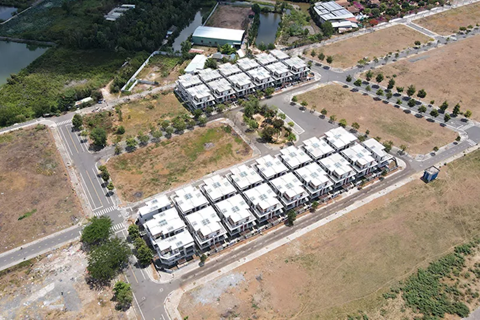
Hanoi from above. Photo: Cong Hung/The Hanoi Times
He reaffirmed that land is collectively owned by the people, and the state acts as the representative owner and exercises unified management. Land-use rights are crucial for socioeconomic development, he continued.
The prime minister requested that revisions to Resolution 18 and the 2024 Land Law focus on improving land management and usage policies and enhancing land planning to unlock each region's unique potential, outstanding opportunities, and competitive advantages.
The revisions should also address land allocation, leasing, and conversion; recovery, compensation, support, and resettlement; pricing and finance; and issues involving foreign elements.
The Party Central Committee's Resolution 18, issued in June 2022, aims to reform land regulations to improve governance and support Vietnam’s development by removing the land price framework, taxing large landowners and speculators, promoting non-cash real estate transactions, and mandating approved compensation and resettlement plans before land requisition.
In January 2024, the National Assembly passed the revised Land Law, comprising 16 chapters and 260 articles. Key new provisions include 32 scenarios for land recovery in the public or national interest; diversified compensation options for displaced land users; expanded limits on the transfer of agricultural land; and eligibility for land-use rights certificates (red books) for undocumented land use before July 1, 2014.