National development is a collective responsibility
Its openness to the world and ability to learn from other countries as both positive and negative role models and knowing how to adapt this knowledge and experience to a unique local context is paying off.
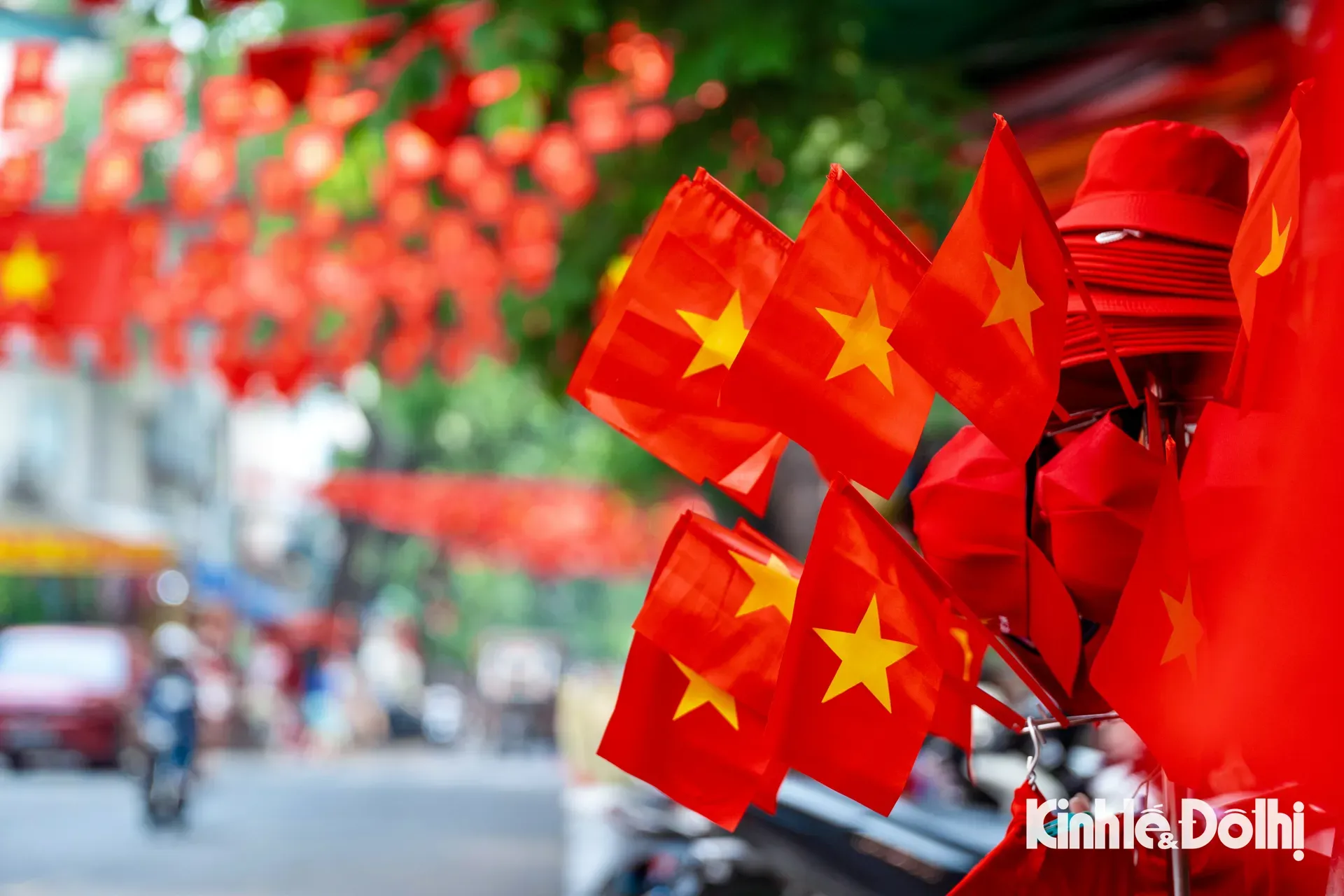
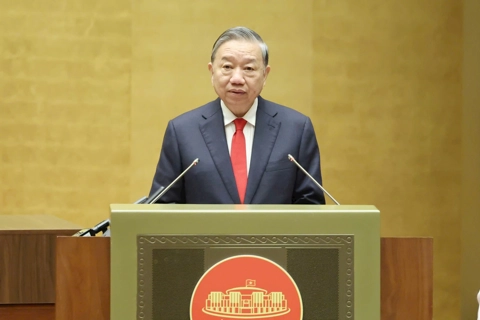
For Mark A. Ashwill, an educator has lived in Hanoi for 20 years, national development is a collective responsibility. Photo: Duy Khanh - Anh Tuan/The Hanoi Times
Its openness to the world and ability to learn from other countries as both positive and negative role models and knowing how to adapt this knowledge and experience to a unique local context is paying off.
While other countries pursue regressive and destructive policies and are wracked with domestic turmoil and division, Vietnam has emerged as a beacon of peace and stability, a visionary nation that is laying the groundwork for a prosperous future that benefits all of its citizens.
Decades of record-breaking economic growth, poverty reduction, rising life expectancy and education levels are a glowing testimony to its national success. The sense of progress and forward momentum in Vietnam is one of the reasons why I am fond of using the hashtag #AsianCentury in relevant social media posts.
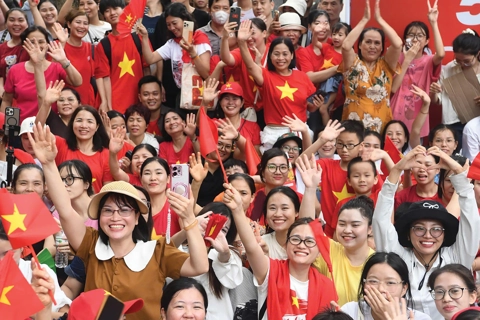
Vietnam’s sense of unity was on full display in the recent celebrations commemorating 80 years of independence. As an expat who first visited Vietnam in 1996 when it was one of the poorest countries in the world and who has been a participant-observer in this national coming-of-age story for 20 years in my adopted hometown of Hanoi, I have had a front row seat to all of its ups and downs, wild successes and vexing problems.
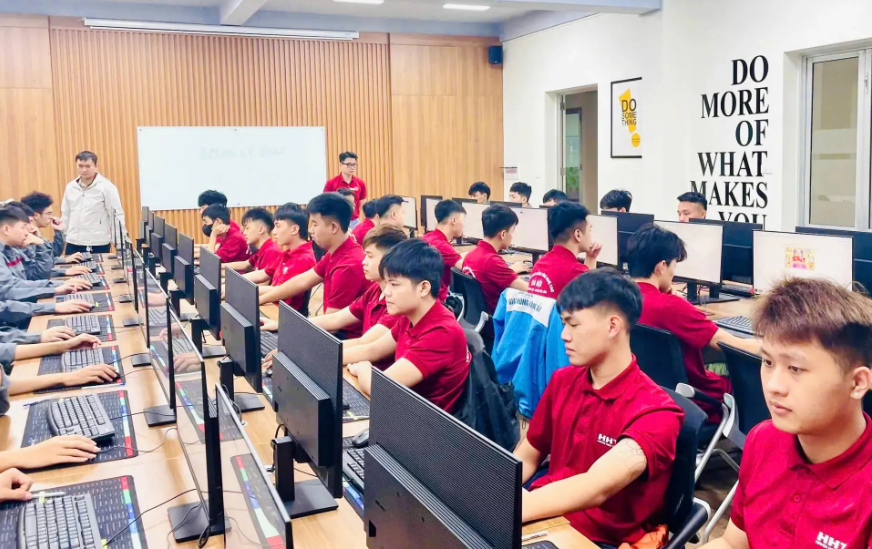
Student at Hanoi College of High Technology. Photo: Tran Oanh/The Hanoi Times
The government tries to do what governments are supposed to do by creating the conditions for individuals and communities to live safely and prosper, react to domestic and international challenges and plan for the future.
This includes disabled people and ethnic minority children who are disproportionately poor and malnourished, especially in rural and mountainous areas, evoking Pearl S. Buck’s famous quote that “the test of a civilization is the way that it cares for its helpless members.” Vietnam is working diligently to pass this test.
Above all else, Vietnam and its people are pragmatic, the legacy of having to confront existential problems throughout its millennia-long history, such as war, foreign occupation, starvation and displacement.
A global example of this pragmatism that pervades society is its foreign policy rooted in bamboo diplomacy. Smart and flexible, yet tough, willing to bend but not break. I and others around the world admire the ambitious and can-do attitude of its people, who are living examples of the proverbs, “Necessity is the mother of invention” and “Where there’s a will, there’s a way.”
The only constant is change
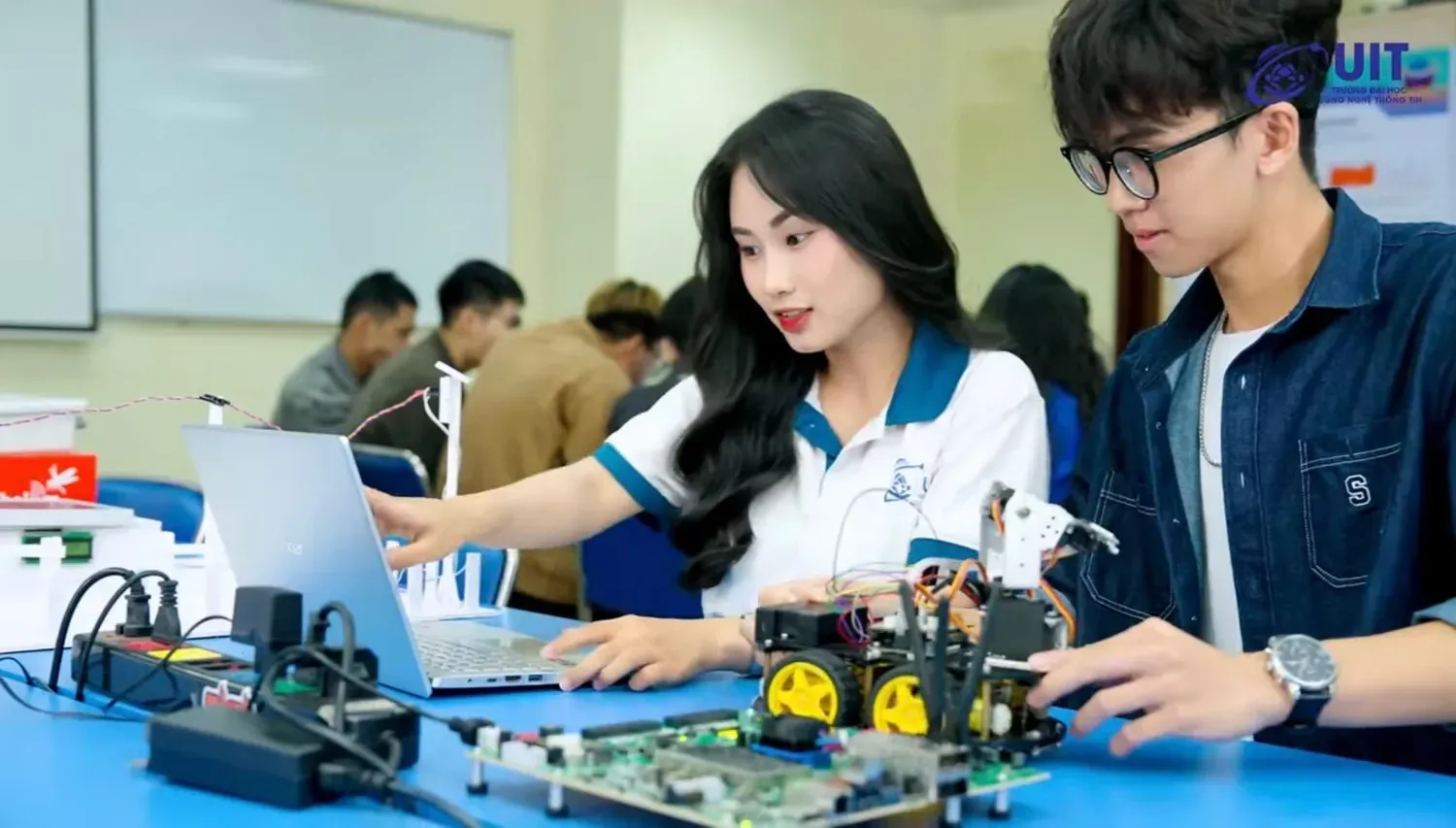
Education is one of key pillars in Vietnam's development aproaches.
Knowing that the only constant is change and in the time-honored tradition of comparative studies, Vietnam has learned from other countries' mistakes by acknowledging in rhetoric and policy that equal access to education and training is a prerequisite for a prosperous and just society.
Its openness to the world and ability to learn from other countries as both positive and negative role models and knowing how to adapt this knowledge and experience to a unique local context is paying off.
In the education sector, this is exemplified by Resolution 71, a comprehensive education reform that highlights education and training as one of the nation's highest priorities. This includes the introduction of free textbooks for all students, teacher salary increases, student training in artificial intelligence and digital skills, compulsory lower secondary education, access to preschool for all three to five-year-olds, and the elimination of tuition fees for all public schools.
At a local level, Hanoi will provide free meals for primary students, an example of providing equal access. Associate Prof. Dr. Nguyen Kim Son, Minister of the Ministry of Education and Training (MoET), spoke of "unprecedented opportunities" in a recent interview that focused on Resolution 71.
These far-reaching education reforms recognize the inextricable link between education and training and economic growth and by extension, quality of life. This includes the need for critical thinking, creativity, and soft skills for innovation in a digital economy, strong language skills for a certain percentage of citizens (not just English), increasing access to high-quality education for all, and state-of-the-art vocational training to create skilled workers and manufacturing, services, and emerging industries.
Resolution 71 addresses - all levels - interrelated economic challenges such as escaping the middle-income trap, increasing labor productivity, and preparing young people for full participation in an ever-changing economy in which “learning how to learn” is more important than acquired knowledge that may quickly become outdated.
The goal of becoming a high-income country by 2045 is ambitious yet achievable.
At the same time, the end of the “demographic dividend” is on the horizon as the population rapidly ages because of a declining birth rate and higher life expectancy, environmental pollution looms large as an existential, economic and quality of life issue, dependence on foreign direct investment (FDI) must be reduced so that domestic companies can grow stronger and move up the global supply chain.
In short, economic growth must shift from low-cost manufacturing to high-value, productivity-driven, green and innovative growth. Education is a key player in this process.
In the midst of these reforms, parents and policymakers should not forget the importance of a healthy study-life balance, giving children of all ages the chance to pursue interests, spend time alone (not with an electronic device in their hands), exercise and play. These priorities are as important as the knowledge and skills they acquire in the classroom.
There is no them, only us
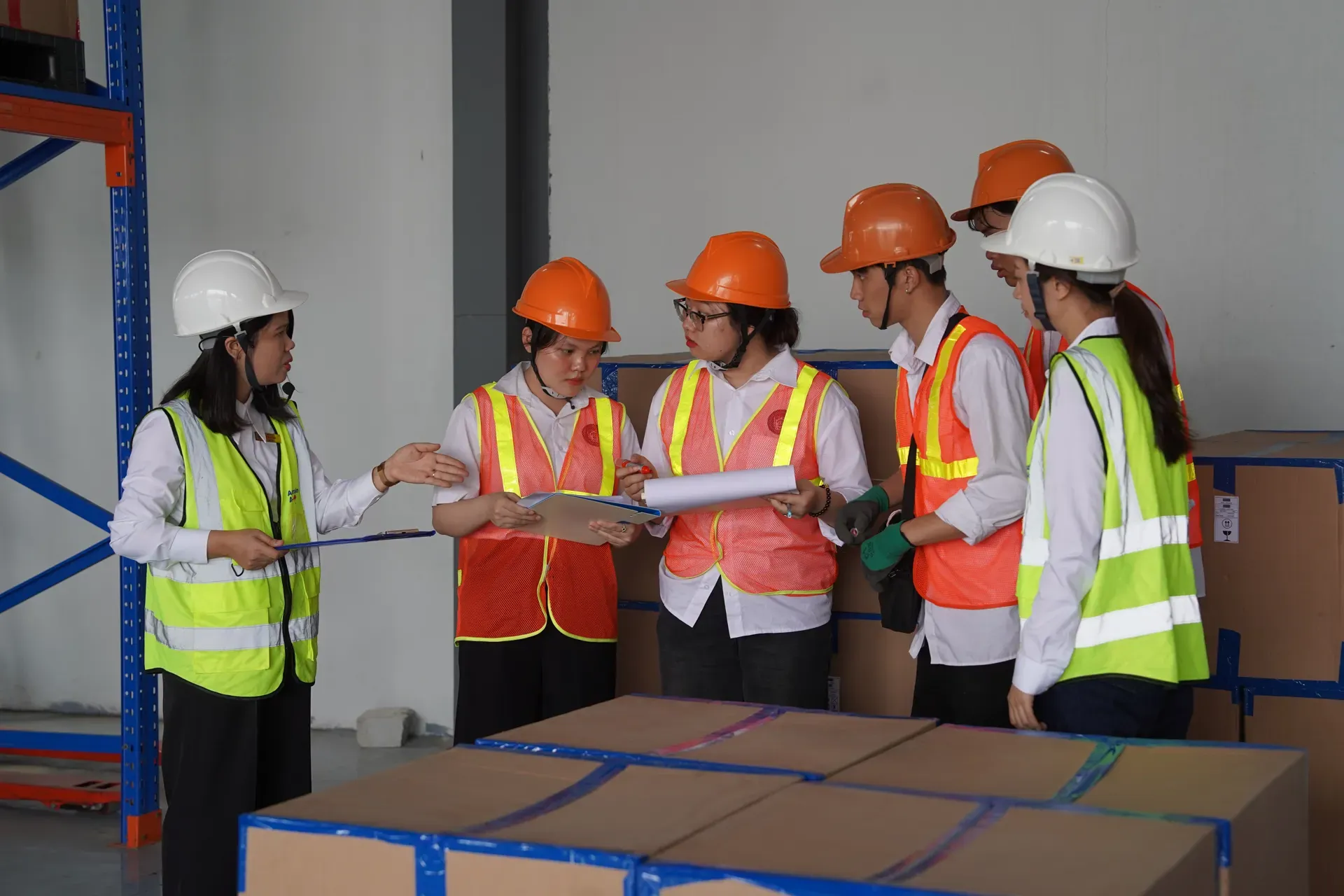
Students at Maritime and Waterways College No.1 (MIC1) in the northern city of Haiphong in a practical lesson. Photo: Linh Pham/The Hanoi Times
Prime Minister Pham Minh Chinh recently stated that education is a collective responsibility, not just of the Ministry of Education and Training. I would take this one step further and assert that Vietnam’s development is not just an official task but one for all Vietnamese and expats who are here for the long term.
In the spirit of “It takes a village,” each of us has a role to play, whether it’s how we treat others, driving courtesy and civility, how we raise our children, the nation’s future leaders and citizens, or measures we take to protect our environment.
A golden future
A song I created using AI-generated text and music titled “Vietnam, You Shine Ever So Bright” pays tribute to Vietnam’s historic achievements, promising future, and the pivotal role of education and training in this unfolding story: Oh, Vietnam, you shine so bright, a story of strength, a beacon of light. From ancient kings to a modern-day rise, your future’s golden beneath endless skies. The dragon has woken, the world takes its gaze, a land of resilience, setting ablaze. With wisdom and youth hand in hand, building tomorrow, a prosperous land. So sing for Vietnam, for the past and today, for the hopes of tomorrow, let voices stay. Through every sunrise, through every night, Vietnam, you shine ever so bright.
Mark A. Ashwill, Ph.D., who has lived in Vietnam since 2005, is a co-founder of Capstone Education, a full-service educational consulting company with its headquarters in Hanoi and a branch office in Ho Chi Minh City, an eyewitness to history in the making and a participant-observer in an exhilarating and unfolding success story of Hanoi and Vietnam.