Vietnam creates National Housing Development Fund to boost social housing supply by 2030
Vietnam has taken a major step toward expanding affordable housing by establishing the National Housing Development Fund, a new financial mechanism designed to accelerate social housing development and stabilize the property market.
THE HANOI TIMES — The government on November 19 issued Decree 302 detailing the National Housing Development Fund, marking the official launch of the fund after months of discussion aimed at revitalizing the housing market and reaching the target of one million social housing units by 2030.
According to the decree, the fund operates as a state financial institution outside the budget, has legal status and functions on a non-profit basis.
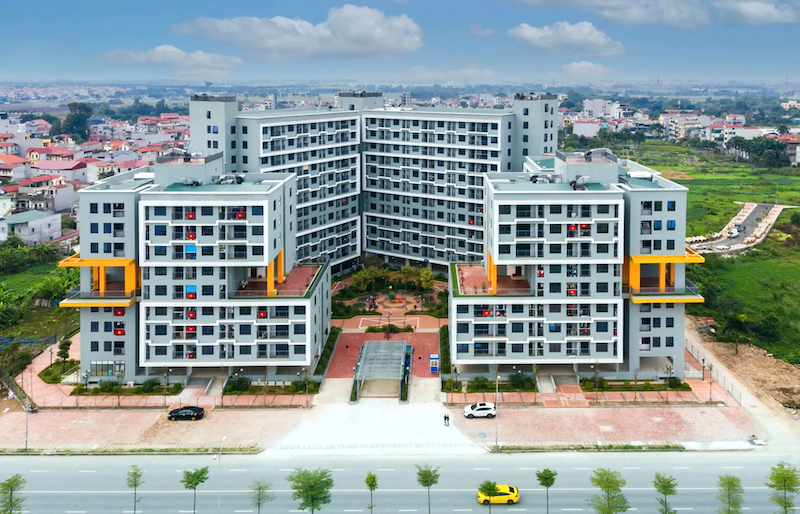
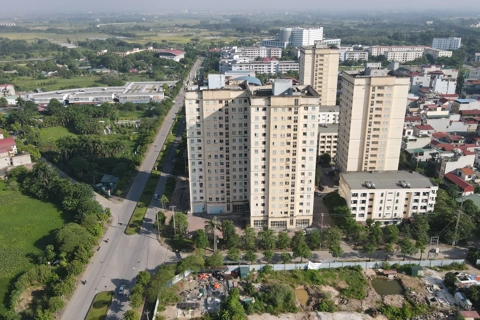
A social housing project in Dong Anh Commune, Hanoi. Photo: Kinh te & Do thi Newspaper
Under the decree, the government will establish the National Housing Development Fund and assign the Ministry of Construction to manage it, while provincial governments will create and oversee local housing funds.
Funding sources include state budget allocations, the value of land designated for social housing infrastructure, revenues from the sale of public housing assets and land auction proceeds.
The fund may also raise voluntary contributions from domestic and international donors and other lawful sources.
The National Housing Development Fund will invest in the construction of social houses and supporting technical and social infrastructures for lease.
It may develop social housing by taking over or converting public housing assets, purchasing or commissioning housing from wholly state-owned enterprises, or receiving resettlement and temporary housing.
The fund may also buy commercial housing for rent to public employees, civil servants and workers.
The Ministry of Construction proposed the idea of establishing the National Housing Development Fund early this year to accelerate social housing development and address housing needs for low-income groups and industrial park workers.
Vietnam aims to deliver at least one million social housing units for low-income residents and industrial park workers by 2030, including 100,000 units this year.
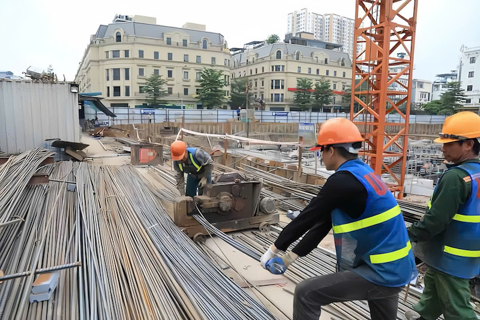
As of late October, 696 projects with 640,000 housing units were under development. About 89,000 units are expected to be completed this year, reaching 89% of the annual target, according to the Ministry of Construction.
Vietnamese agencies and contractors are speeding up to meet its 2025 and long-term development goals.
Chairing a meeting last week, Prime Minister Pham Minh Chinh said real estate remains a crucial channel for capital mobilization and allocation, with strong spillover effects across the economy. Authorities have eased regulatory, legal, financial and land-related bottlenecks to improve supply.
However, challenges remain. Housing prices in major cities such as Hanoi, Ho Chi Minh City and Danang stay far above household income levels.
Social housing, which plays a key role in expanding affordable supply, still progresses slowly, including delays in reserving the required 20% land quota within commercial projects.
The government expects the new National Housing Development Fund to help balance supply and demand and reshape the structure of real estate products. This should ease pressure on commercial housing prices and foster a more stable and healthier property market.